US Dollar Gains Against Vietnamese Dong in Unofficial Trade
Unofficial exchange points in Vietnam reported the greenback trading 0.23% higher at VND25,880 on Saturday, while Vietcombank maintained its official rate.
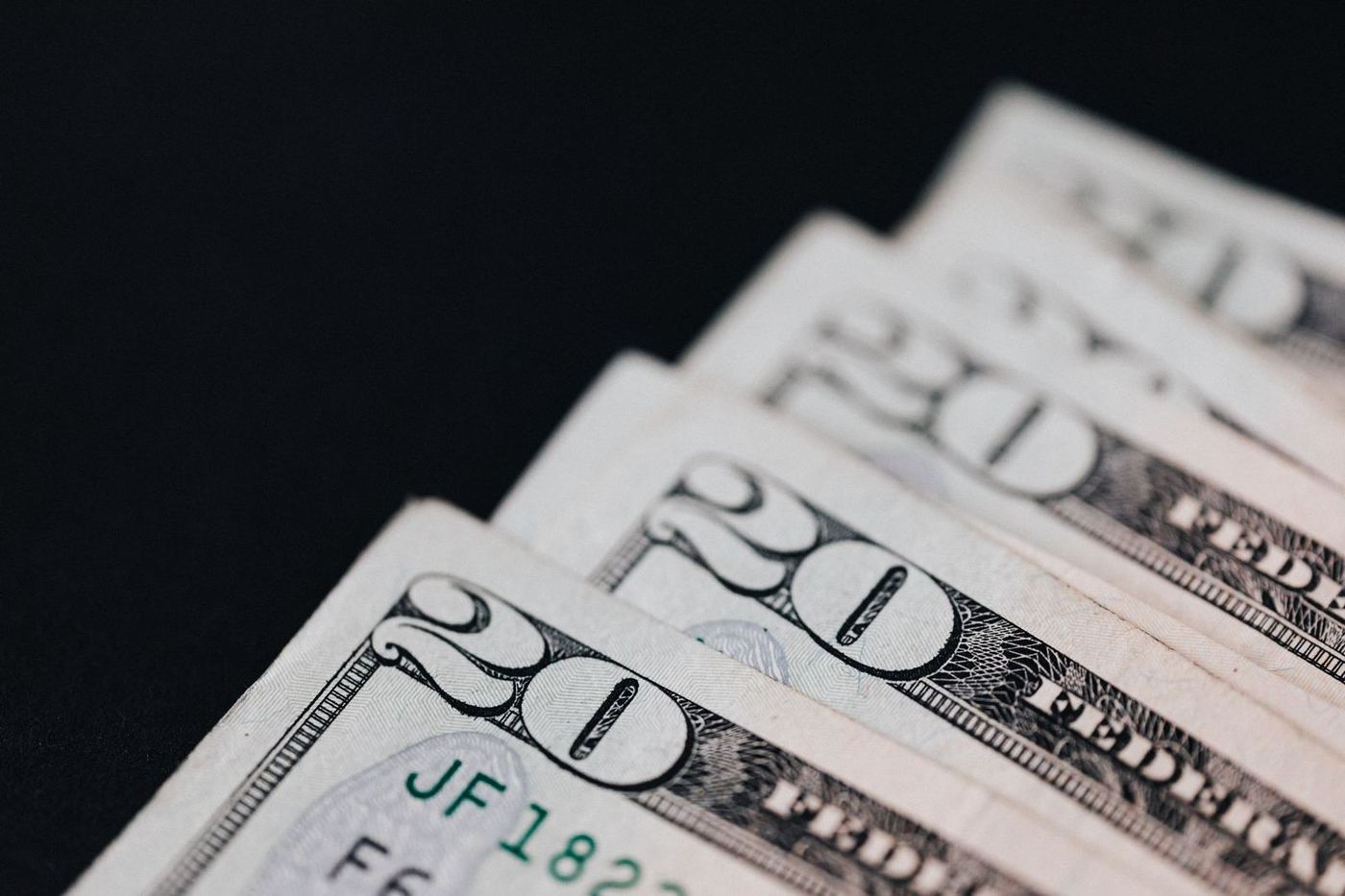
Unofficial Dong Weakens Against Dollar
The US dollar strengthened against the Vietnamese dong on the unofficial market on Saturday, 19 September 2026. Unofficial exchange points in Vietnam sold the greenback 0.23% higher, reaching VND25,880 (US$0.99). In contrast, Vietcombank, a state-owned commercial bank, kept its official exchange rate steady at VND26,210.
This divergence highlights the differing valuations between regulated and unregulated currency markets within the country.
Global Dollar Strength Against Yen
This local movement occurred amidst a broader strengthening of the US dollar in global markets. On Friday, 18 September 2026, the dollar surged against the Japanese yen after two policymakers at the Bank of Japan (BOJ) dissented from an anticipated decision to raise interest rates.
This dissent created uncertainty among traders regarding the likelihood of future rate hikes by the Japanese central bank. The US dollar climbed by as much as 1.3% to a two-week high of 158.05 yen, setting it for its largest weekly rally since October 2025.
Japan Signals Potential Intervention
Despite its initial surge, the dollar later pared some of its gains against the yen. This reversal followed reports that Japanese authorities conducted "rate checks" in the currency market, according to the Nikkei newspaper. Such checks are widely interpreted as a preliminary action before potential direct intervention by the government or the Bank of Japan to support the yen.
The US dollar ultimately settled 0.5% higher at 156.725 yen, indicating continued volatility driven by central bank signals and potential policy responses.
The persistent strength of the US dollar, both globally and on Vietnam's unofficial market, presents challenges for Vietnamese businesses engaged in international trade. A weaker dong increases the cost of imported goods and raw materials, potentially impacting manufacturing input costs and consumer prices.
Exporters, however, may find their products more competitive in dollar-denominated markets. Companies with dollar-denominated debt will also face higher repayment burdens in local currency. Investors will monitor the State Bank of Vietnam's response and any official measures to stabilise the dong, particularly if the black market premium widens further.
This article is journalism, not investment advice; consult a licensed professional before making financial decisions. Market data is indicative, may be delayed, and should be verified with your broker or exchange before use.
Comments.
Comments are moderated. We remove what is unlawful, abusive or off-topic, and and you remain responsible for what you post.
Reader comments open soon. Until then, corrections and responses go to our newsroom, and we publish what we get wrong on Corrections.