Reserve Bank of India's Overnight Reverse Repo Auction Undersubscribed
The Reserve Bank of India accepted ₹33,770 crore in its one-day variable rate reverse repo (VRRR) auction today, significantly less than the ₹1,00,000 crore offered.
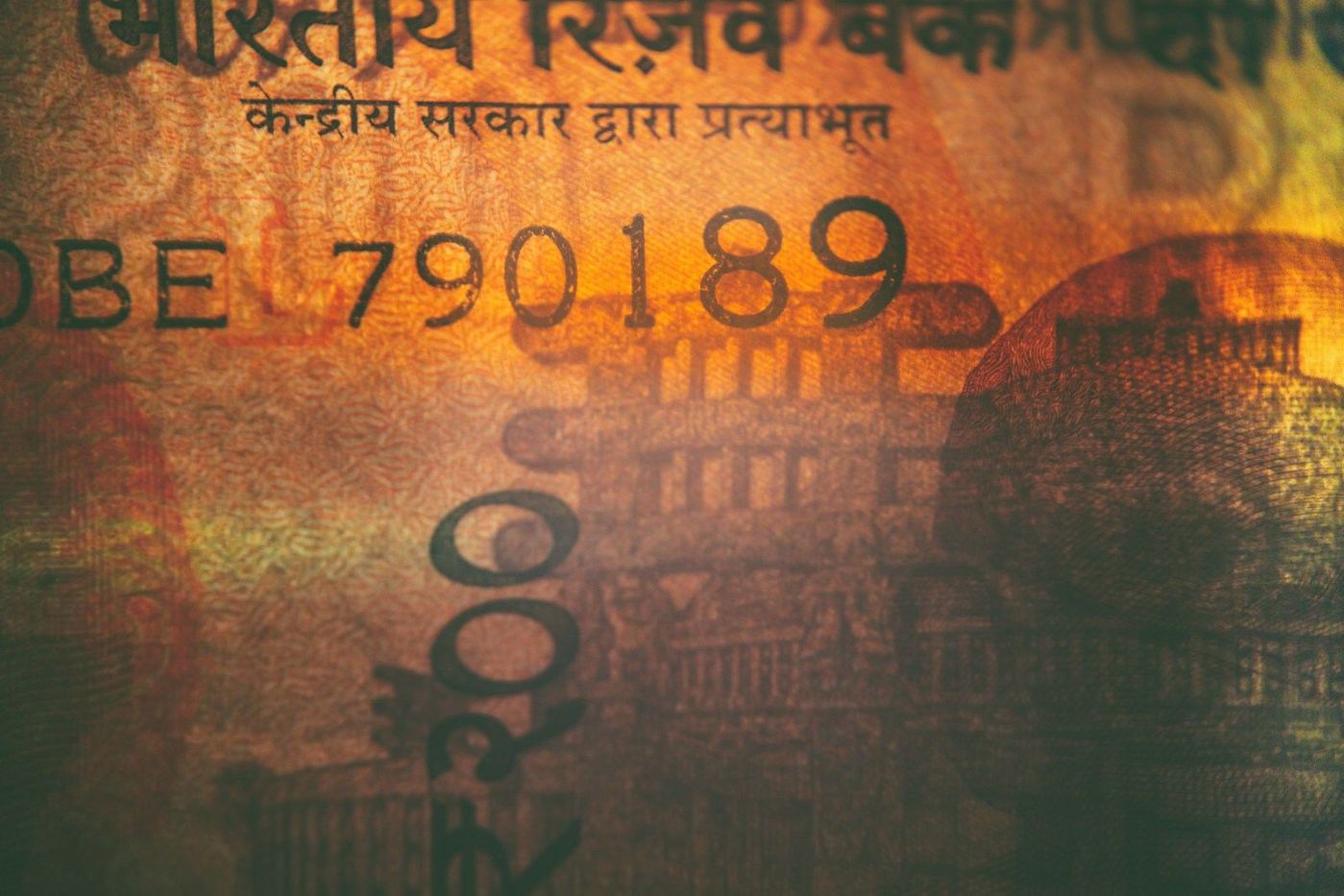
Auction Results on September 29
The Reserve Bank of India (RBI) conducted its second overnight variable rate reverse repo (VRRR) auction today, September 29, 2026. The central bank sought to absorb ₹1,00,000 crore from the banking system through this one-day facility. However, it received total offers amounting to ₹33,770 crore.
The RBI accepted all bids at a cut-off rate of 5.24 per cent, which also stood as the weighted average rate for the auction. This indicates a demand for the facility well below the amount the RBI intended to absorb.
Understanding Variable Rate Reverse Repos
A variable rate reverse repo is a monetary policy instrument employed by the RBI to manage liquidity within the financial system. Through these auctions, commercial banks lend funds to the central bank for a short period, earning interest in return.
The RBI uses VRRRs primarily to drain excess cash from the banking system, thereby influencing short-term interest rates and ensuring stability. The overnight tenor means funds are parked for just one day, offering banks extreme flexibility.
Implications for Indian Money Markets
The under-subscription in today's VRRR auction suggests that banks in India had less surplus liquidity to park with the central bank than the RBI anticipated. When banks offer fewer funds in a reverse repo, it typically points to tighter liquidity conditions in the money market.
This could reflect increased demand for funds within the banking system for lending purposes, or a need to meet other statutory requirements. While the accepted rate remained steady, the lower participation indicates a shift in interbank cash availability.
This outcome directs attention to the overall liquidity dynamics within India’s banking sector. Investors and businesses should monitor short-term money market rates, such as the overnight interbank rate, for any signs of upward pressure. If banks continue to hold onto funds, it could incrementally affect short-term borrowing costs for companies.
The RBI's future liquidity operations, particularly subsequent VRRR auctions, will offer further insight into the central bank's assessment of market conditions and its response.
This article is journalism, not investment advice; consult a licensed professional before making financial decisions. Market data is indicative, may be delayed, and should be verified with your broker or exchange before use.
Comments.
Comments are moderated. We remove what is unlawful, abusive or off-topic, and and you remain responsible for what you post.
Reader comments open soon. Until then, corrections and responses go to our newsroom, and we publish what we get wrong on Corrections.