Global Divisions Threaten UN Fossil Fuel Transition Roadmap Ahead of COP31
A UN roadmap for moving away from fossil fuels, drafted by Brazil and due at November's COP31, struggles for consensus on timelines and financing.
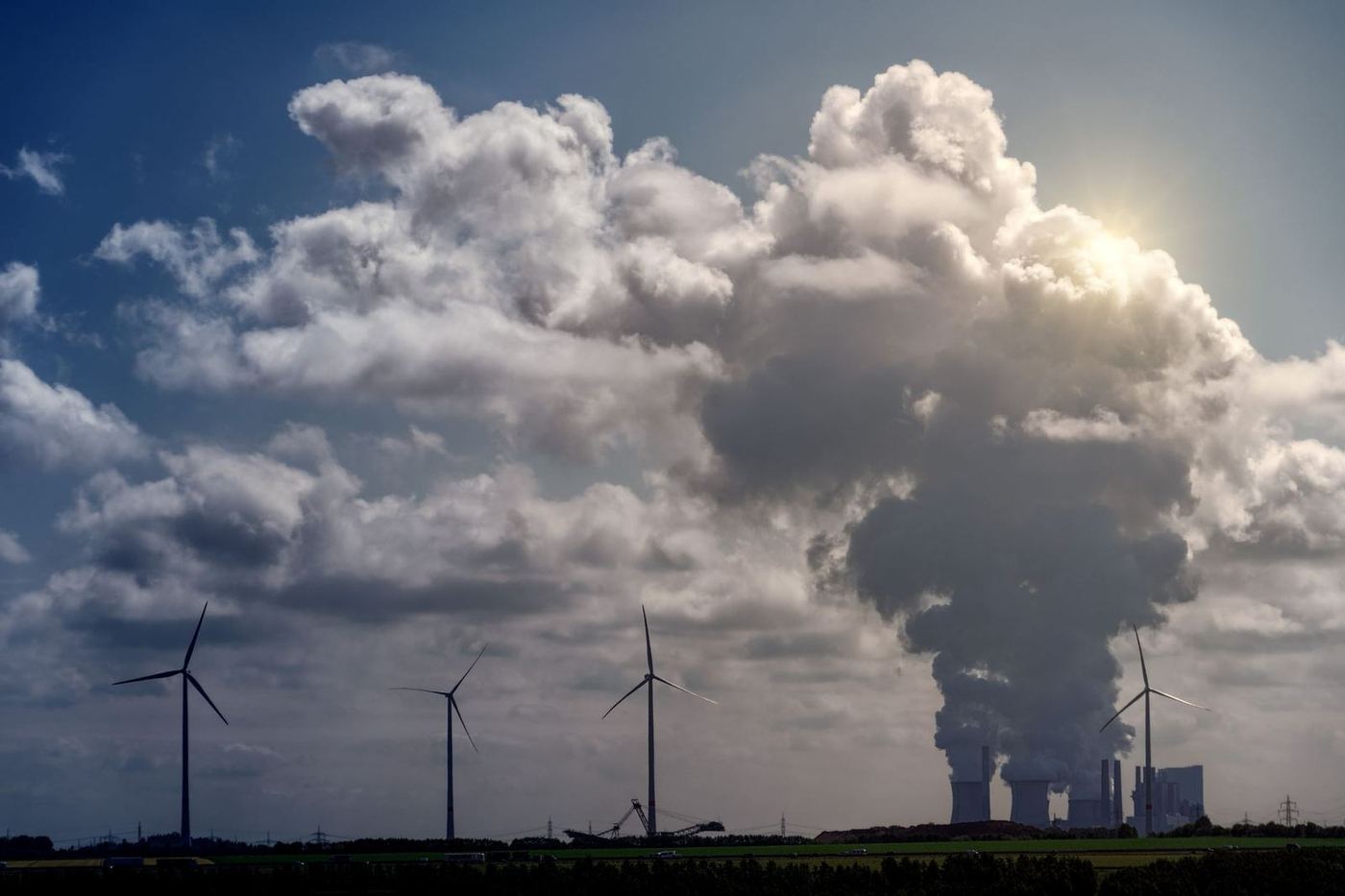
Global Transition Roadmap Emerges
The United Nations is preparing its first transition roadmap for moving away from fossil fuels, scheduled for unveiling at COP31 in November. This follows an agreement by nearly 200 countries over three years ago, at COP28, to shift from fossil fuels in energy systems. However, that prior commitment lacked an implementation mechanism.
Brazil, as president of last year's COP30 summit, has spent 2026 attempting to bridge this gap by drafting a voluntary global roadmap. This document aims to guide countries on how to action their transition pledges, addressing both demand and production of fossil fuels.
Deep Divisions on Implementation
Significant disagreements persist among nations regarding the specifics of this transition, including timelines, financing arrangements, and national responsibilities.
Analysis from the Beyond Oil and Gas Alliance (BOGA) Secretariat reveals that as of August, 101 of 146 updated national climate action plans submitted to the UN mention moving away from fossil fuels, yet only 12 detail how this will occur.
The submission process for the roadmap, which Brazil opened in February, garnered input from just 18 governments, the European Union, and two negotiating blocs, the Least Developed Countries (LDC) and the Alliance of Small Island States (AOSIS).
COP31 Host Prioritises Electrification
The lack of broad consensus is evident in the varied positions taken by countries. The Marshall Islands, for instance, called for clear reductions in oil, gas, and coal production, while Vanuatu sought a binding fossil fuel treaty. In contrast, Russia argued for gas as a legitimate transition fuel.
A further challenge arises from Türkiye, the host and president of COP31, which has prioritised electrification for the conference rather than the broader fossil fuel transition. This focus could diminish the momentum for the roadmap, potentially causing it to lose traction if not actively advanced by the host nation.
The ongoing global divisions over the fossil fuel transition roadmap create uncertainty for Asian economies, which include both major energy producers and consumers. Without a unified global framework, countries like Indonesia and Malaysia, significant oil and gas exporters, may continue to pursue national strategies that balance energy security with transition goals.
Meanwhile, major importers such as Japan and South Korea face unclear pathways for investment in new energy infrastructure. This fragmented approach could lead to varied national policies, affecting energy investment flows and supply chain stability across the region as companies adapt to diverse regulatory environments rather than a coordinated global shift.
This article is journalism, not investment advice; consult a licensed professional before making financial decisions. Market data is indicative, may be delayed, and should be verified with your broker or exchange before use.
Comments.
Comments are moderated. We remove what is unlawful, abusive or off-topic, and and you remain responsible for what you post.
Reader comments open soon. Until then, corrections and responses go to our newsroom, and we publish what we get wrong on Corrections.