Phu My Hung Unveils Ho Chi Minh City Urban Transformation Plan
Phu My Hung is investing hundreds of millions of US dollars to transform its 34-year-old urban area in Ho Chi Minh City, with a US$150 million mixed-use complex and a US$30 million art centre among key projects.
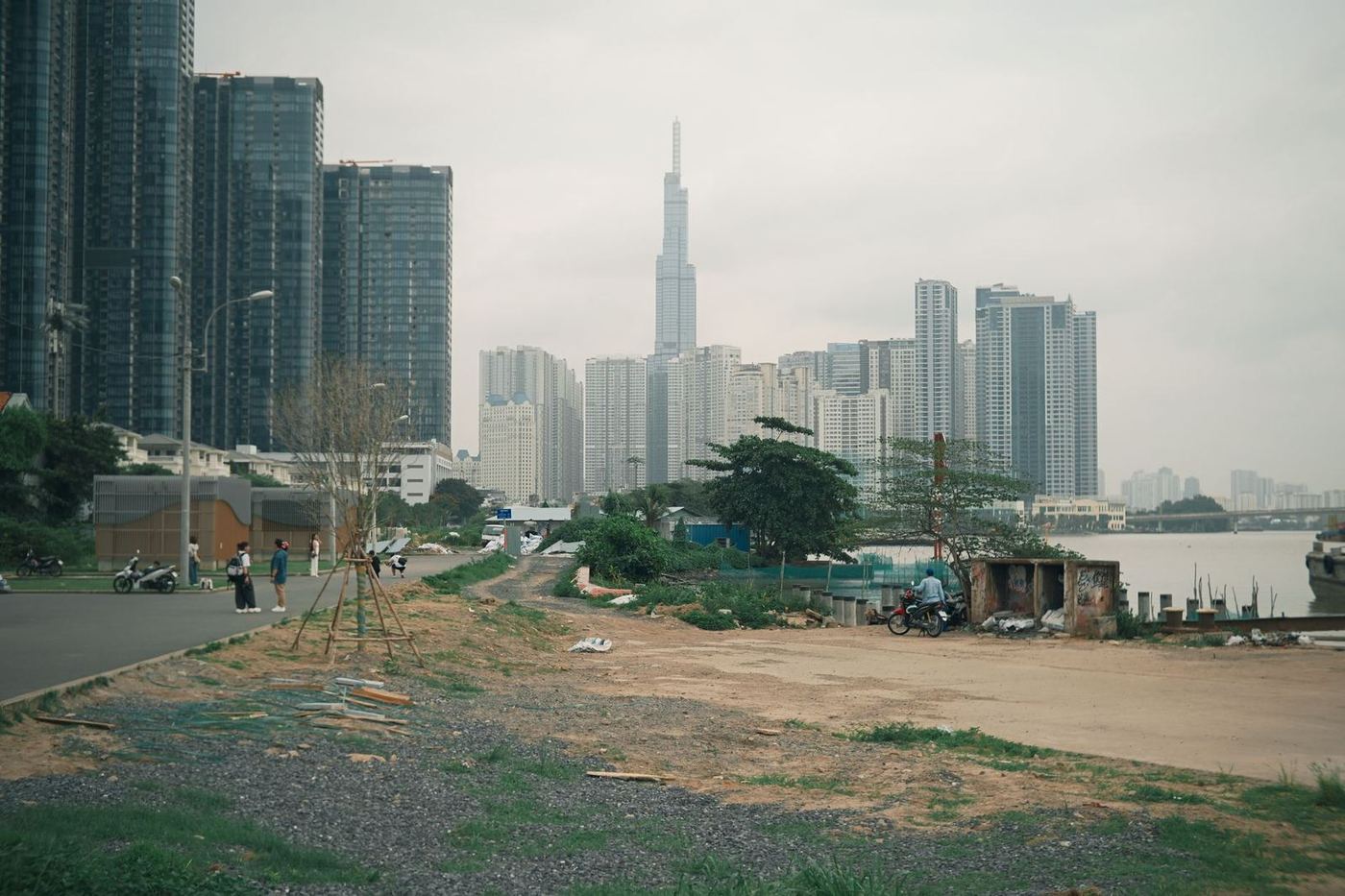
Major Redevelopment Underway
Phu My Hung has commenced a substantial transformation of its 34-year-old urban area in Ho Chi Minh City, aiming to establish it as a primary city centre. The developer's former headquarters, the Lawrence S. Ting Building, ceased operations on 1 October, marking the start of this new phase.
Truong Quoc Hung, Phu My Hung's vice president, stated that replacing the still-usable building is part of a broader strategy to reposition the area. Nearly all remaining land within the 430-hectare development is slated for completion by 2031, with projects valued at trillions of dong set to add residential, commercial, cultural, and healthcare facilities.
Key Projects and International Collaboration
The former headquarters site, spanning 1.5 hectares, will host the C1 complex, a 23-storey mixed-use development with an estimated US$150 million investment. This complex will feature southern Ho Chi Minh City’s first five-star hotel, Grade A offices, serviced apartments, and high-end retail across 99,000 square metres.
Japanese firm Nihon Sekkei, known for its work on Tokyo's Azabudai Hills, is designing C1. Additionally, the US$30 million Phu My Hung Art Center, a 24,000-square-metre complex by China-based B.L.U.E. Architecture Studio, will include a theatre, exhibition spaces, and restaurants.
Higher Standards and Long-Term Vision
Phu My Hung's “2.0” phase emphasises international standards and people-centred urban planning. The developer is engaging international design firms, including US-based Gensler for the 44,000-square-metre MD3-4 office complex, and US-based Handel Architects, Thailand's dwp., and UK-based AtkinsRéalis for other projects.
Mr Hung noted these firms bring global expertise while adapting to local conditions, though their services can cost significantly more than typical market rates. The developer expects extended investment recovery periods, such as 30 to 40 years for the C1 complex, reflecting a commitment beyond immediate cash flow.
The transformation aligns with major infrastructure projects advancing around 2024, including Ring Road No. 3, Long Thanh International Airport, and new metro lines. New office spaces are expected to attract multinational corporations, technology, and fintech firms, while cultural facilities will host international events.
The enhanced urban area, which currently serves approximately 80,000 residents, is designed to accommodate up to one million people and tens of millions of annual visitors, significantly boosting Ho Chi Minh City’s economic activity and tourism. The Tam Anh international standard healthcare centre will also expand medical services.
This article is journalism, not investment advice; consult a licensed professional before making financial decisions. Market data is indicative, may be delayed, and should be verified with your broker or exchange before use.
Comments.
Comments are moderated. We remove what is unlawful, abusive or off-topic, and and you remain responsible for what you post.
Reader comments open soon. Until then, corrections and responses go to our newsroom, and we publish what we get wrong on Corrections.