Tropical Cities Grapple With Rising Urban Heat Island Mitigation Costs
Tropical cities face escalating costs to combat urban heat islands, which intensify humid conditions and health risks. Affordability and comprehensive measurement remain key hurdles.
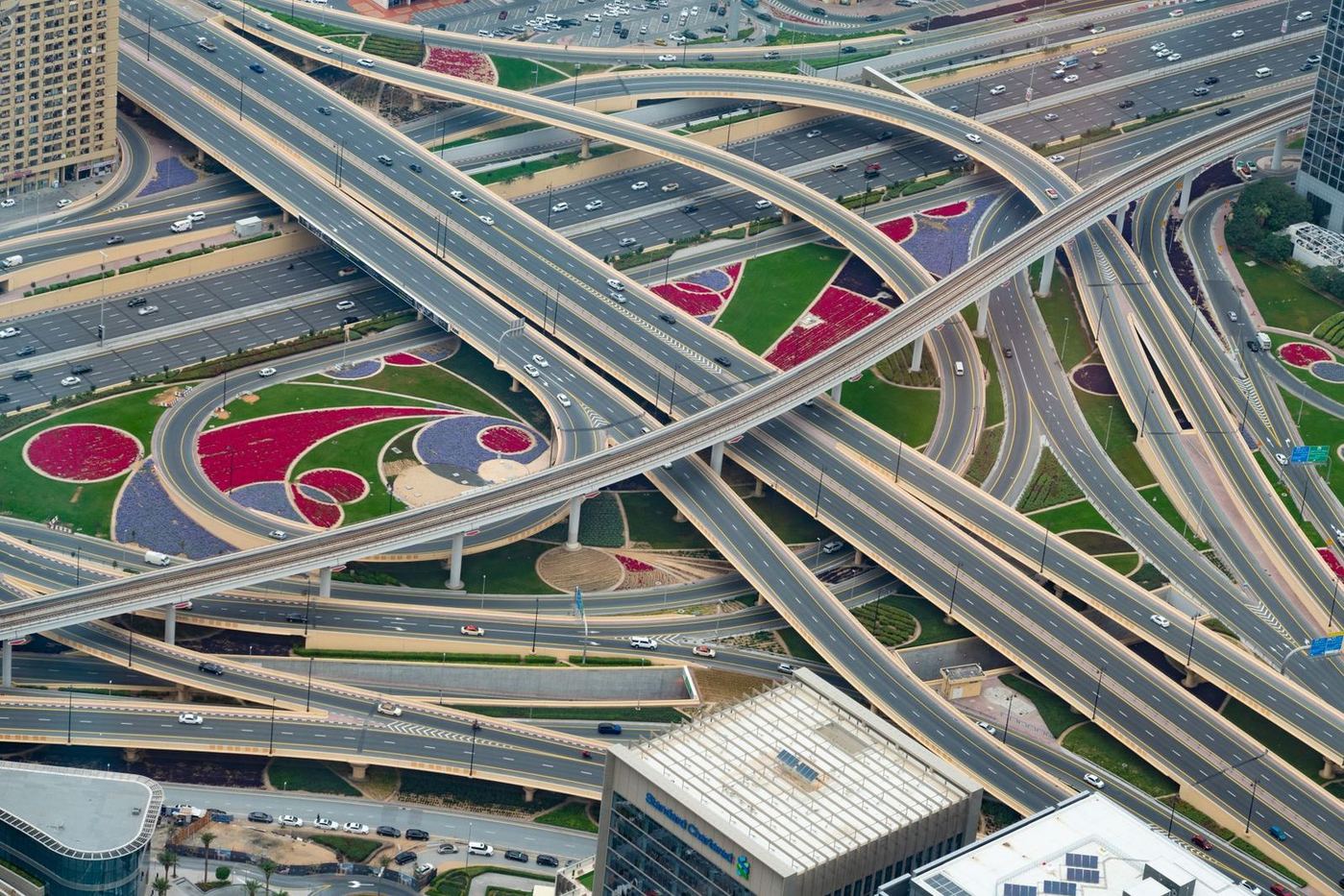
Escalating Heat Burden
Tropical cities confront worsening urban heat island (UHI) effects, driven by artificial surfaces like concrete and asphalt. These structures retain heat, preventing nighttime cooling and intensifying already hot, humid conditions for residents. This phenomenon poses a growing global health threat, particularly across tropical zones.
Matthias Roth, a National University of Singapore researcher, notes that a city's 'metabolism' determines how it divides incoming solar energy, influencing heat absorption. A 2026–2027 El Niño could further endanger millions in vulnerable urban areas.
Disparate Impacts and Health Risks
Unchecked UHI exposure can be deadly, causing dehydration, heatstroke, and worsening chronic health issues. From 2000–2019, an estimated 489,000 heat-related deaths occurred annually worldwide, largely in cities. Wealthier cities, like Singapore, invest significantly in UHI mitigation.
Even with these efforts, Singapore's compact high-rises can show outdoor temperatures 4.3° Celsius above rural areas. Poorer cities, such as Lagos, Nigeria, face more extreme differences; a 2024 study found its urban centre averaged 8.3°C above its vegetated periphery due to vast artificial surfaces, restricted airflow, and limited green spaces.
Solutions and Measurement Gaps
Solutions to combat UHIs include planting trees for shade, extending roofs, inducing wind, and constructing green roofs and walls. Painting roofs light colours and adapting social practices also help. However, most UHI research focuses solely on land surface temperature, according to Alexandre Lefevre of the University of Reunion Island.
A 2025 study by Lefevre found that 100 UHI studies between 2000–2024 largely ignored human heat exposure or thermal comfort. This approach underestimates actual human heat exposure, especially where humidity consistently exceeds 70 per cent. Rohinton Emmanuel, a Glasgow Caledonian University professor, highlights the need for more studies on heat-related illnesses.
For Asian businesses, escalating UHI effects mean higher operational costs. Companies will face increased cooling expenses for offices and facilities, impacting profit margins. Health risks for workers could reduce productivity and increase healthcare burdens, affecting labour supply and costs.
Urban developers and infrastructure firms will see growing demand for UHI-mitigating designs, including green building materials and integrated green spaces. Cities must allocate more capital to infrastructure upgrades, impacting both public and private sector budgets for real estate and urban development projects.
This article is journalism, not investment advice; consult a licensed professional before making financial decisions. Market data is indicative, may be delayed, and should be verified with your broker or exchange before use.
Comments.
Comments are moderated. We remove what is unlawful, abusive or off-topic, and and you remain responsible for what you post.
Reader comments open soon. Until then, corrections and responses go to our newsroom, and we publish what we get wrong on Corrections.