Thailand Boosts Rooftop Solar for Energy Independence After Fiscal Pressure
Thailand accelerates its clean energy transition, prioritising rooftop solar. The move follows a significant current account deficit earlier this year, driven by rising oil prices. Government incentives aim to transform households into energy producers, bolstering national energy security.
Fiscal Pressure Drives Clean Energy Push
Thailand's government made clean energy transition an urgent priority. Soaring oil prices in April and May caused a nearly 500 billion baht current account deficit this year. To mitigate future shocks, the government prepared a 400 billion baht emergency loan decree. Half of this sum targets reducing Thailand's reliance on imported oil and gas.
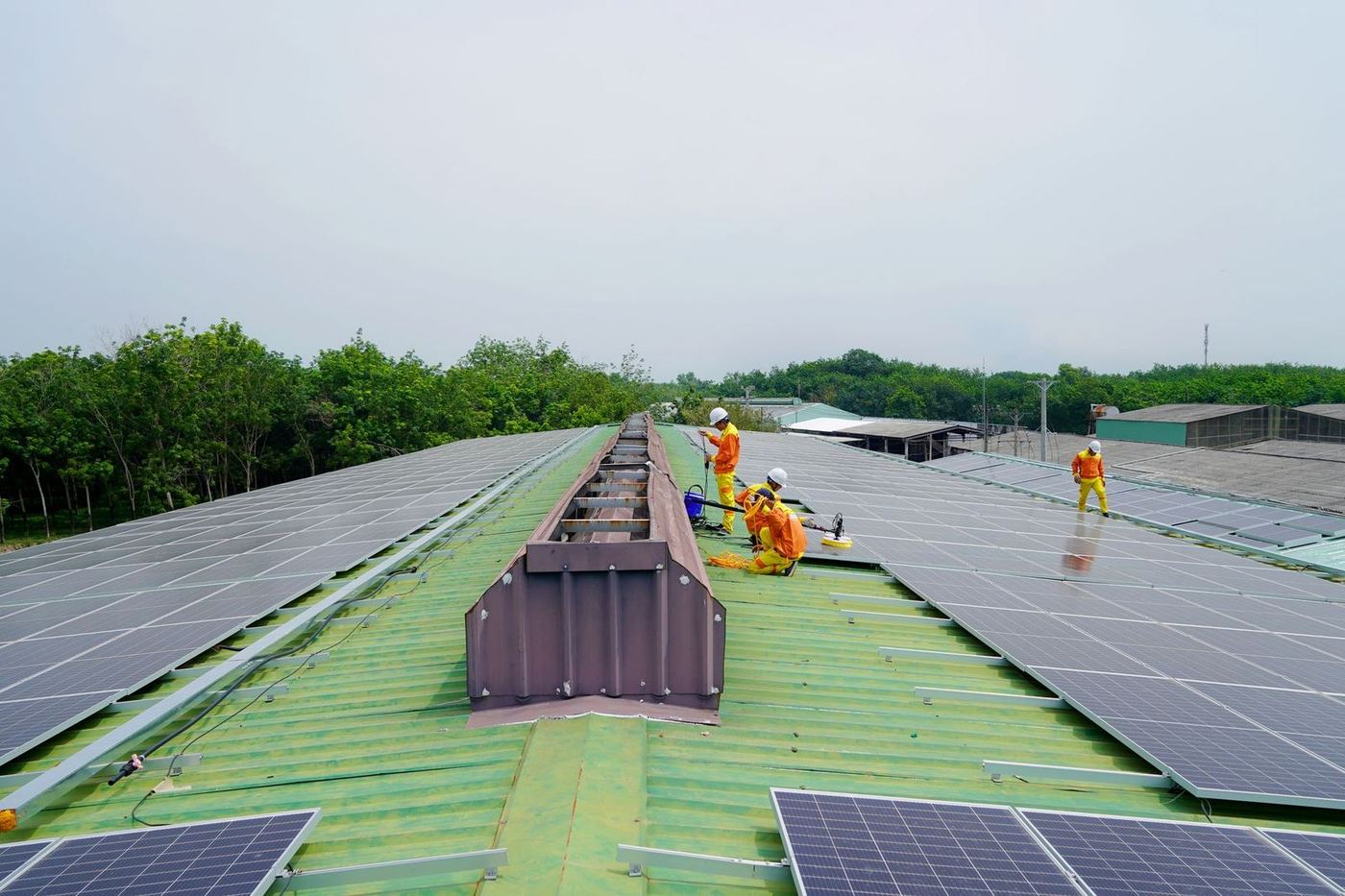
A significant portion specifically supports expanding rooftop solar power nationwide. This initiative aims to enhance energy independence and stabilise the national economy.
Incentives for Household Energy Production
The Energy Regulatory Commission (ERC) launched a solar power purchase programme on 1 July. This scheme encourages households to become "prosumers" by installing solar panels. The ERC aims for 500 megawatts (MW) of solar power from residential installations.
Participants can sell surplus electricity to the state grid at a fixed rate of 2.2 baht per kilowatt-hour (kWh) under a 10-year contract. Each household may sell up to 5 kilowatts (kW) per meter; electricity must be supplied by the end of 2027. Officials believe this diversifies energy sources and empowers homeowners.
Financial Support and Market Facilitation
Recognising upfront costs, the government introduced financial incentives. Thailand's Ministry of Finance offers tax reductions of up to 200,000 baht for households installing rooftop solar systems. This applies to installations between 3 March and 31 December 2026, capped at 90,000 households. The Interior Ministry prepares additional measures.
Government spokesperson Rachada Dhnadirek stated the ministry plans to subsidise down payments or installation fees, offering 10,000 baht per household. This aims to support 400,000 households, making clean energy more accessible. Commercial banks also offer specialised financing packages for solar panel installations, assisting with loan applications.
Integrating intermittent solar power raises grid stability concerns. The ERC is studying whether the Electricity Generating Authority of Thailand (EGAT) requires infrastructure upgrades. EGAT has already installed a static synchronous compensator (STATCOM) at the Khlong Ngae substation in Songkhla province.
This advanced technology stabilises grid voltage and improves transmission efficiency, reducing blackout risks from sudden solar output drops. This project forms part of a broader effort to strengthen transmission systems across Thailand's southern and western regions.
The rooftop solar programme represents a step towards greater energy sustainability and independence, shielding the country from volatile global oil markets.
This article is journalism, not investment advice; consult a licensed professional before making financial decisions. Market data is indicative, may be delayed, and should be verified with your broker or exchange before use.
Comments.
Comments are moderated. We remove what is unlawful, abusive or off-topic, and and you remain responsible for what you post.
Reader comments open soon. Until then, corrections and responses go to our newsroom, and we publish what we get wrong on Corrections.