SK Group, TerraPower Deepen Nuclear Tie for AI Data Centre Power
South Korea's SK Group and TerraPower, backed by Bill Gates, are expanding their nuclear power collaboration. They target stable energy supplies for high-demand AI data centres, moving beyond initial investment into strategic business development.
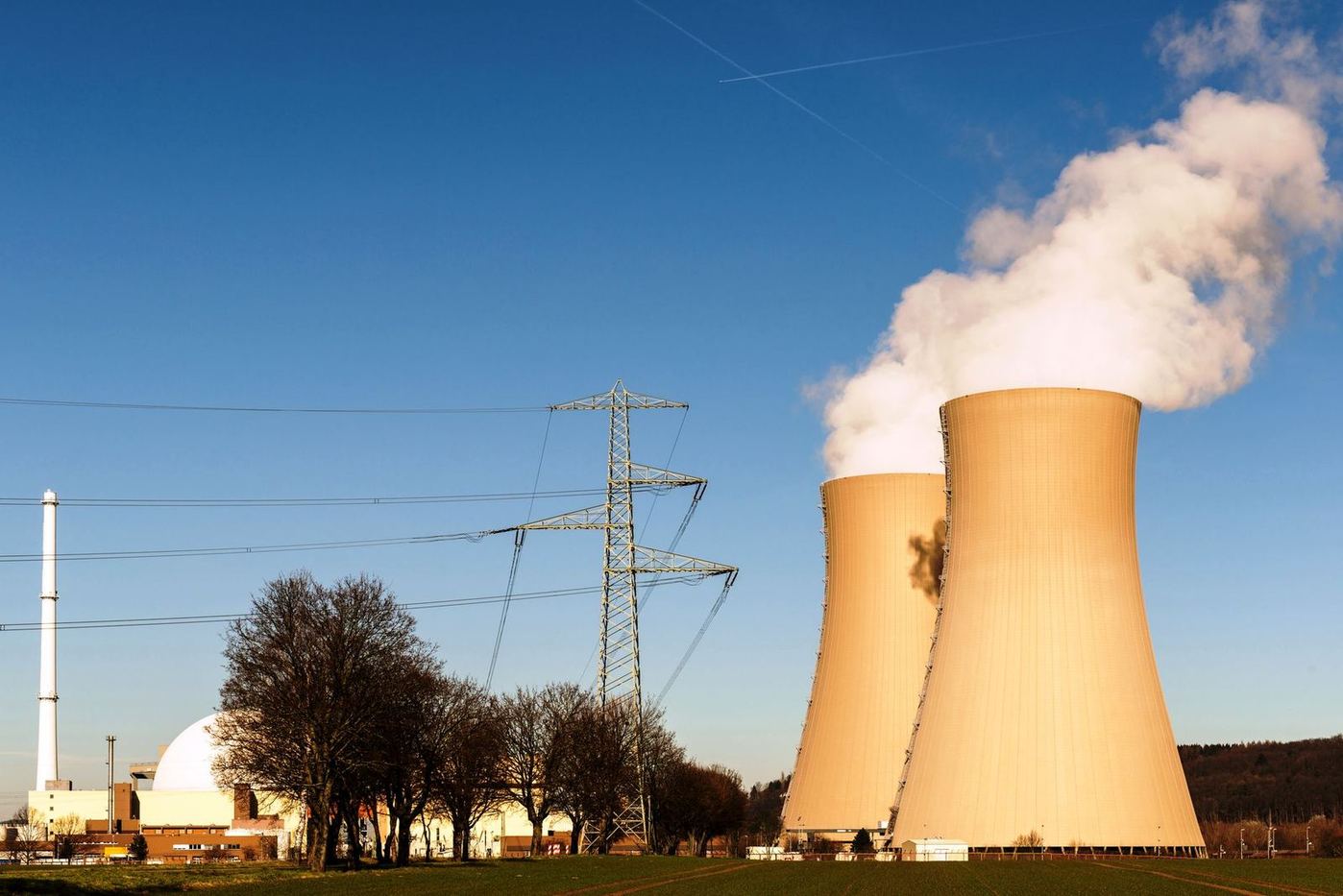
Expanding Nuclear Partnership
SK Group and TerraPower are expanding their nuclear power partnership. SK Group Chair Chey Tae-won and TerraPower Chair Bill Gates met recently in Seoul. This meeting followed their talks in August 2025. Their relationship now extends beyond financial investment. The focus is meeting increased electricity demand from artificial intelligence (AI) data centres.
SK Innovation and holding company SK Inc. invested $250 million in TerraPower in 2022. This made SK TerraPower's second-largest shareholder.
Natrium Reactor Progress
TerraPower is developing its Natrium advanced reactor in Kemmerer, Wyoming. This US project combines a fourth-generation sodium-cooled fast reactor. It includes a molten-salt energy storage system. This system allows electricity output adjustment based on demand. It helps offset the variable nature of renewable energy sources.
Such flexibility suits power-intensive AI data centres, which require constant, stable supply. The US Nuclear Regulatory Commission granted a construction permit in March. This marks the first commercial advanced reactor project to receive such approval.
Integrated Energy Solutions
The regulatory approval shifts SK Innovation and TerraPower's cooperation. It moves from investment towards business development and project execution. SK Innovation already manages parts of the power infrastructure value chain. This includes direct liquefied natural gas (LNG) imports, LNG-fired power generation, batteries, and energy storage systems.
SK aims to integrate these existing capabilities with TerraPower’s Natrium technology. The goal is to develop comprehensive energy solutions for AI data centres. The proposed model uses LNG power plants and energy storage for initial rapid electricity supply. Small modular reactors (SMRs) would then provide stable, carbon-free baseload power long-term.
This collaboration demonstrates a growing trend among Asian industrial groups. They seek to secure stable, low-carbon power for their operations. The increasing energy needs of AI data centres drive this demand across the region. For SK Group, this deepens its energy portfolio. It offers a competitive advantage in providing integrated power solutions.
It also shows a strategic move to address future energy security. Other Asian conglomerates with significant energy or technology investments will observe this model. They may consider similar partnerships to power their own AI infrastructure or offer such services.
This article is journalism, not investment advice; consult a licensed professional before making financial decisions. Market data is indicative, may be delayed, and should be verified with your broker or exchange before use.
Comments.
Comments are moderated. We remove what is unlawful, abusive or off-topic, and and you remain responsible for what you post.
Reader comments open soon. Until then, corrections and responses go to our newsroom, and we publish what we get wrong on Corrections.