Singapore Q2 Layoffs Hit Five-Year High at 4,500 Amid Restructuring
Singaporean companies cut 4,500 jobs in the second quarter, a five-year high, driven by restructuring in outward-oriented sectors, according to preliminary Ministry of Manpower data.
Singapore Job Cuts Reach Five-Year Peak
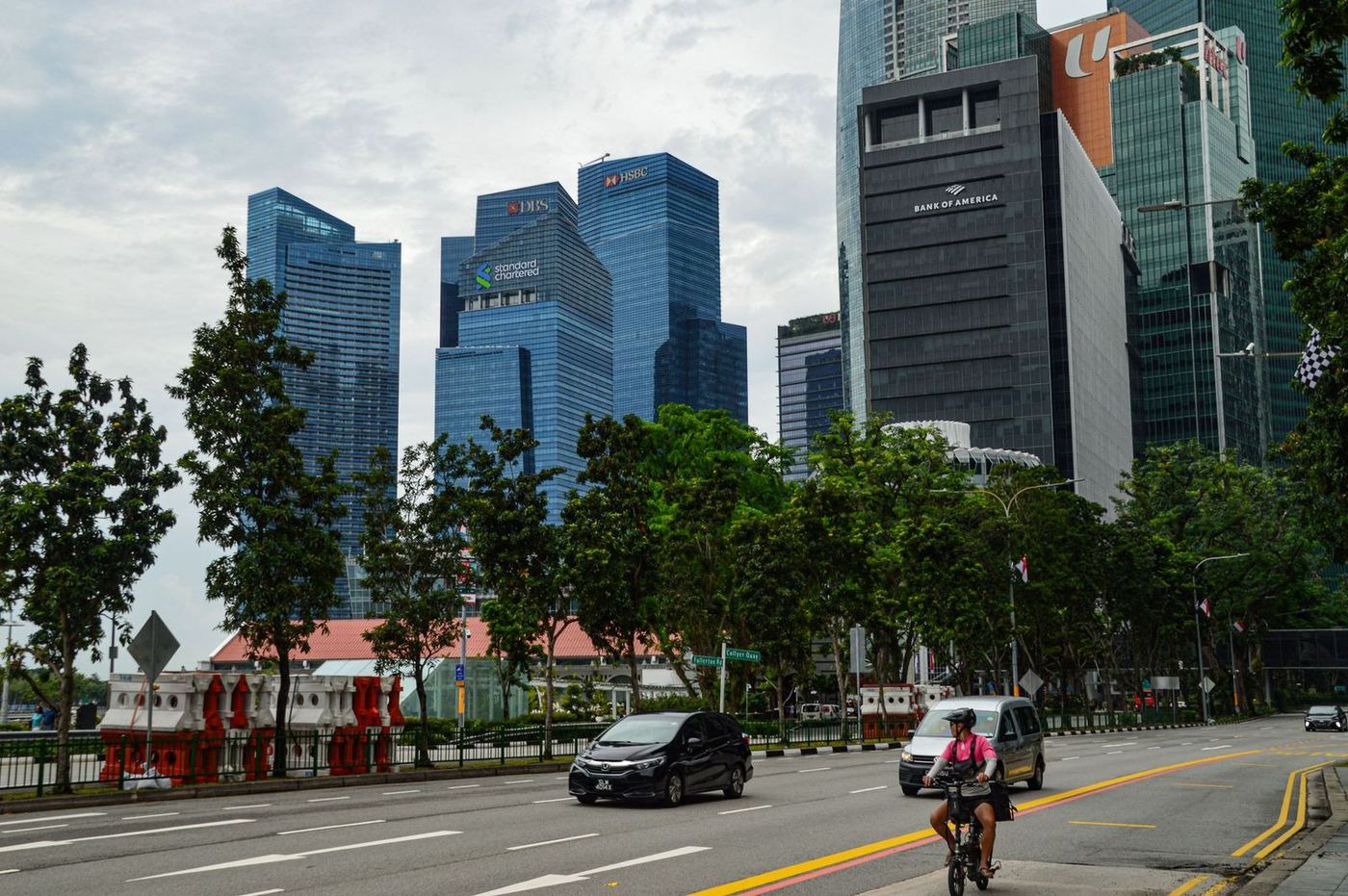
Singaporean businesses shed 4,500 jobs in the second quarter, reaching a five-year quarterly high for retrenchments. This figure shows a 17% increase from the prior quarter. It also marks the highest number of layoffs since 5,640 job losses recorded in the final quarter of 2020. Preliminary data from Singapore's Ministry of Manpower (MOM) reveals these numbers. The rise in job cuts primarily affects outward-oriented sectors.
Sector-Specific Restructuring Drives Layoffs
Restructuring initiatives drove these job cuts, particularly within information and communications, and manufacturing sectors. These industries often depend on external demand, making them susceptible to global economic shifts and trade policy changes. Despite these sector-specific retrenchments, Singapore's broader labour market remains stable.
Overall employment grew by 10,700 during the quarter. The unemployment rate also held steady at 2%. MOM data further shows Q2 layoffs were lower than those during the 2009 Global Financial Crisis (5,980-12,760) and the COVID-19 pandemic (5,640-9,120).
Cautious Outlook for Hiring and Wages
Labour market expectations improved in June, MOM data reveals. Some 43.9% of surveyed businesses anticipated adding staff over the next three months, up from 40.6% in May. Concurrently, 29.3% of firms expected to increase wages, rising from 23.7%. Conversely, only 2.7% of businesses projected staff layoffs, down from 3.2%. These improvements demonstrate resilient labour demand.
However, expectations still stayed below February's levels, before the energy shock triggered by the Middle East conflict. Businesses will likely adopt a measured approach to hiring and wage decisions in the near term.
For businesses operating in Singapore, these figures highlight ongoing sector-specific adjustments. Companies in outward-oriented industries, such as technology and manufacturing, must continue to monitor global demand fluctuations and trade policy shifts. While the overall labour market remains stable, these sectors show vulnerability to external factors.
Investors should recognise this divergence, with specific industries facing restructuring despite broader economic resilience. Future MOM labour market reports will reveal whether this measured approach to hiring continues, particularly as global economic conditions evolve.
This article is journalism, not investment advice; consult a licensed professional before making financial decisions. Market data is indicative, may be delayed, and should be verified with your broker or exchange before use.
Comments.
Comments are moderated. We remove what is unlawful, abusive or off-topic, and and you remain responsible for what you post.
Reader comments open soon. Until then, corrections and responses go to our newsroom, and we publish what we get wrong on Corrections.