Philippines' 2027 Rice Harvest Faces Middle East Conflict, El Niño Risks
Philippines' 2027 rice harvest faces significant risks from Middle East conflict and El Niño. Rising fertiliser costs and water scarcity threaten domestic food supply, increasing import demand.
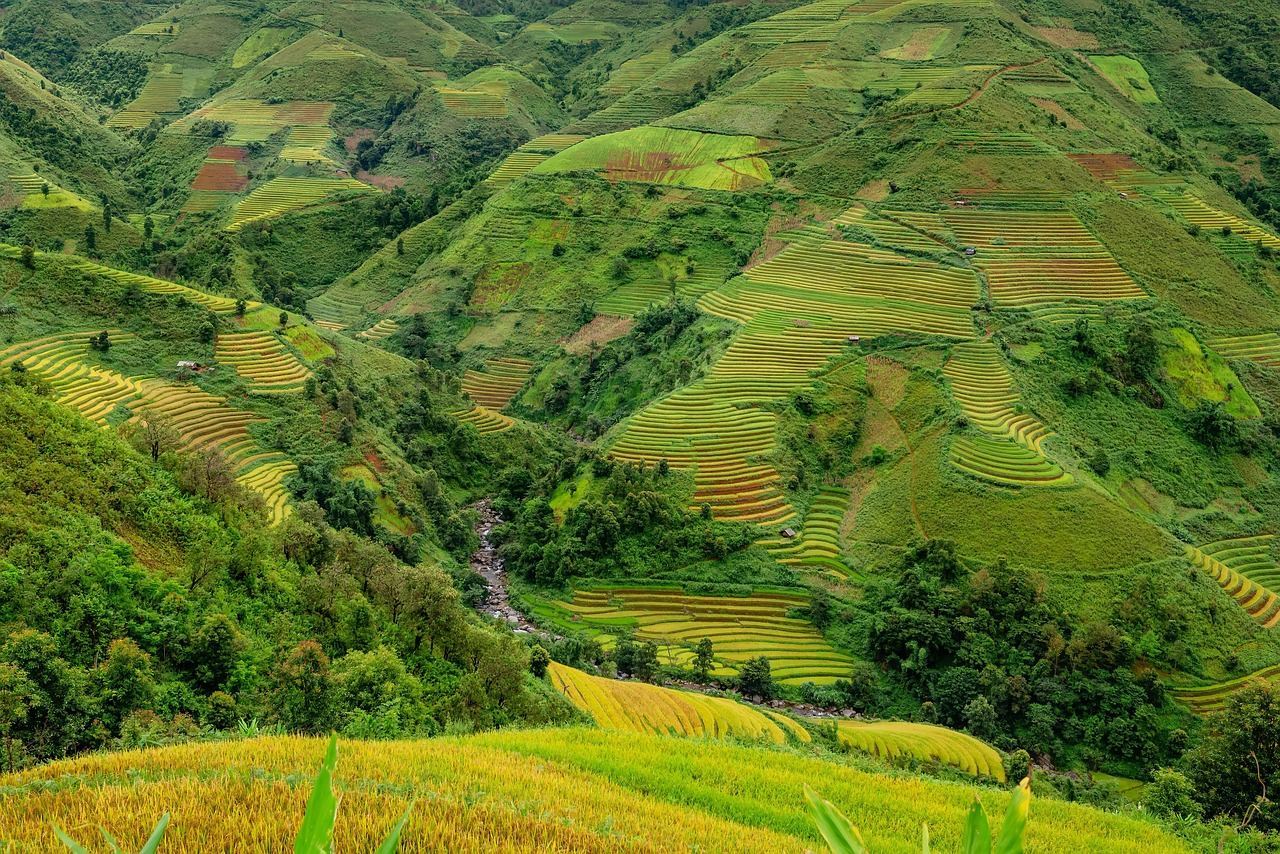
Dual Pressures Threaten Future Yields
The Philippines' 2027 rice harvest faces heightened vulnerability from Middle East disruption. Farm experts point to rising fertiliser costs and El Niño-driven water scarcity as key threats. The country imports about 90 per cent of its fertiliser needs, demonstrating high exposure to global market shifts. These pressures could reduce yields.
While record imports protect against immediate shortages this year, the longer-term outlook for domestic supply remains challenging.
Fertiliser Costs Surge
Disruption near the Strait of Hormuz, a key energy and fertiliser trade route, drives up fertiliser prices. World urea prices nearly doubled between February and April 2026. This price shock impacts the Philippines. Rice accounts for 38 per cent of total fertiliser use. Many farmers had already planted first-semester crops when the Middle East conflict began in February.
This delayed the full effect of higher costs until the second half of 2026. A Philippine Institute for Development Studies (PIDS) analysis shows the country remains exposed to global supply constraints.
El Niño Reduces Water Supply
The state weather bureau forecasts a 92 per cent likelihood of a moderate-to-strong El Niño in the final quarter of 2026. This could reduce water stored in dams and reservoirs before the November-to-January planting period. Farmers cultivating rice during this largely dry season rely heavily on irrigation. Adequate water supply is essential.
The Department of Agriculture (DA) warned a strong El Niño could cut rice production by up to 700,000 metric tonnes. This represents 3.5 per cent of the annual production target.
Increased Import Demand Looms
Higher fertiliser prices could force farmers to use less than optimal amounts, further reducing already sub-potential yields. Raul Montemayor, National Manager of the Federation of Free Farmers Cooperatives, stated government support to cushion these costs has not reached many growers.
The combined effects of El Niño and Middle East disruption point to increased Philippine rice import demand in 2027. Former agriculture secretary William Dar emphasised the need for systematic efforts to enhance agricultural productivity and income.
This article is journalism, not investment advice; consult a licensed professional before making financial decisions. Market data is indicative, may be delayed, and should be verified with your broker or exchange before use.
Comments.
Comments are moderated. We remove what is unlawful, abusive or off-topic, and and you remain responsible for what you post.
Reader comments open soon. Until then, corrections and responses go to our newsroom, and we publish what we get wrong on Corrections.