Singapore to push sustainability, energy integration as ASEAN chair in 2027
The upcoming Digital Economy Framework Agreement (DEFA) and a new Green Economic Framework Agreement (GEFA) will feature prominently, as ASEAN faces a US$200 billion rise in its 2027 energy import bill.
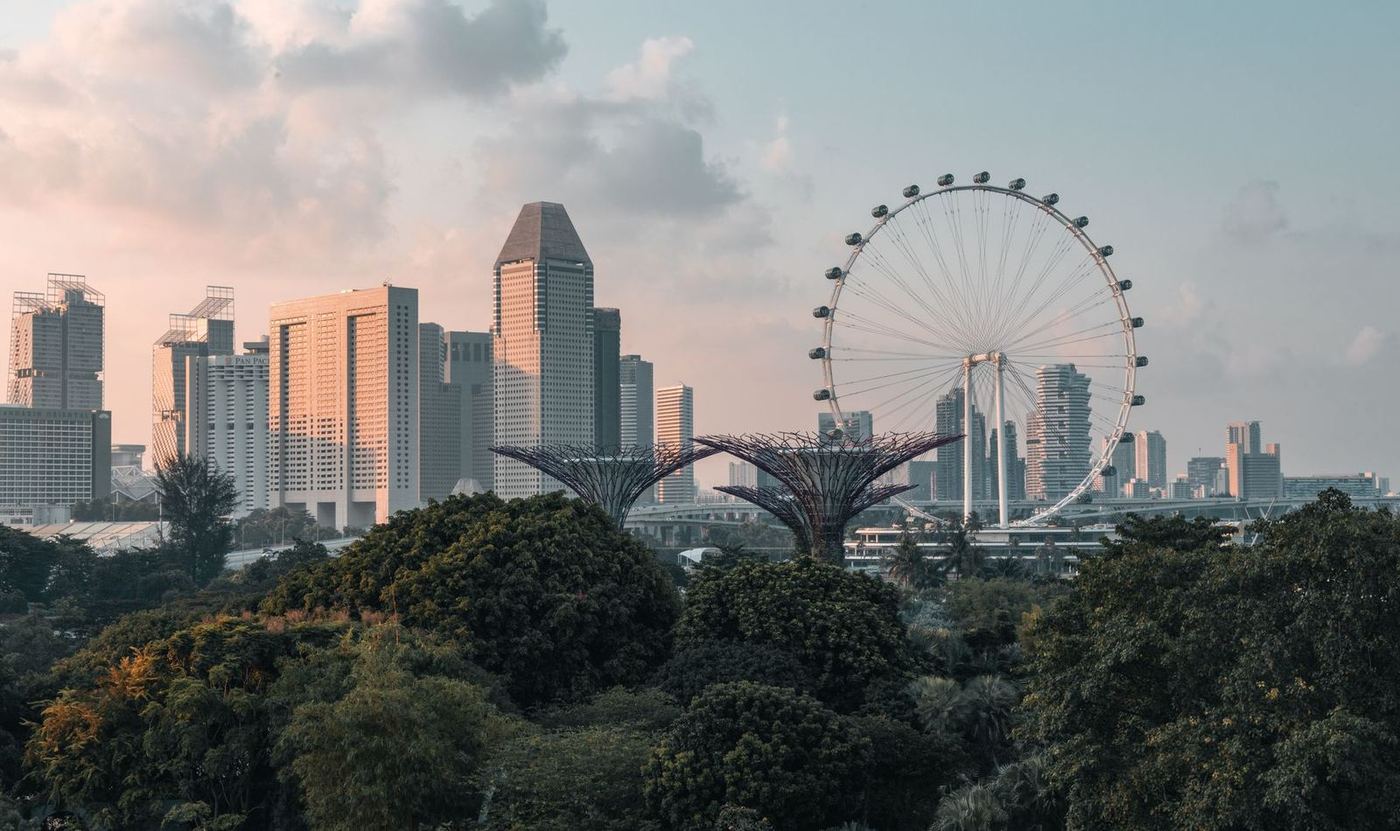
Singapore's 2027 ASEAN Economic Agenda
Singapore will prioritise sustainability and regional energy integration when it assumes the ASEAN chairmanship in 2027. Satvinder Singh, Deputy Secretary-General for the ASEAN Economic Community, outlined these objectives at the Association of Chartered Certified Accountants' (ACCA) annual conference on 9 October 2026.
A key initiative will be the forthcoming Green Economic Framework Agreement (GEFA), designed to foster regional cooperation in emerging green industries. The implementation of the Digital Economy Framework Agreement (DEFA) also stands as a significant focus for the upcoming chairmanship.
Digital and Green Frameworks
The DEFA, scheduled for signing at the 49th ASEAN Summit in November 2026, aims to harmonise digital trade regulations across member states, including rules governing cross-border data flows. This agreement is a government-to-government pact. The GEFA, by contrast, seeks to guide collaborative efforts in nascent green sectors.
Singh emphasised that these frameworks are essential for ASEAN to maintain its relevance and effectively engage with global powers, including the United States and China.
Addressing Energy Security Challenges
Energy security remains a critical concern for the region, according to Singh. He noted that higher oil and gas prices are projected to increase ASEAN's energy import bill by nearly US$200 billion next year. Singh urged member economies to leverage the current energy challenges as an opportunity to accelerate their transition towards cleaner energy sources.
He suggested redirecting the substantial import expenditure towards green investments, rather than solely enriching fossil fuel companies.
Accelerating Regional Energy Integration
The long-discussed ASEAN Power Grid is gaining renewed impetus from the region's energy crisis.
This initiative aims to facilitate cross-border electricity trading, allowing countries rich in renewable resources, such as Cambodia, Laos, and Myanmar with their hydropower potential, to supply more industrialised economies like Thailand, Indonesia, Malaysia, Singapore, and the Philippines.
Greater regional connectivity would enable a more balanced energy supply and demand, reducing the need for individual nations to continually invest in separate generation capacities. ASEAN's economy grew by almost 5 per cent in 2025.
For companies operating in Southeast Asia, Singapore's 2027 chairmanship signals a heightened focus on digital and green economic policies. Businesses should anticipate a more standardised digital trade environment with the DEFA, impacting data flows and e-commerce operations.
The emphasis on GEFA and the ASEAN Power Grid points to increased investment and policy support for renewable energy projects and green industries across the region. This shift could create new market opportunities and necessitate adjustments in supply chain strategies to align with sustainable practices and regional energy integration efforts.
This article is journalism, not investment advice; consult a licensed professional before making financial decisions. Market data is indicative, may be delayed, and should be verified with your broker or exchange before use.
Comments.
Comments are moderated. We remove what is unlawful, abusive or off-topic, and and you remain responsible for what you post.
Reader comments open soon. Until then, corrections and responses go to our newsroom, and we publish what we get wrong on Corrections.