Shandong Eliminates 17.5 GW Coal Capacity, Faces Heating Supply Test
Shandong province has removed 17.5 gigawatts of small coal-fired power capacity. The industrial hub now confronts the complex task of replacing coal's essential role in heating and industrial steam.
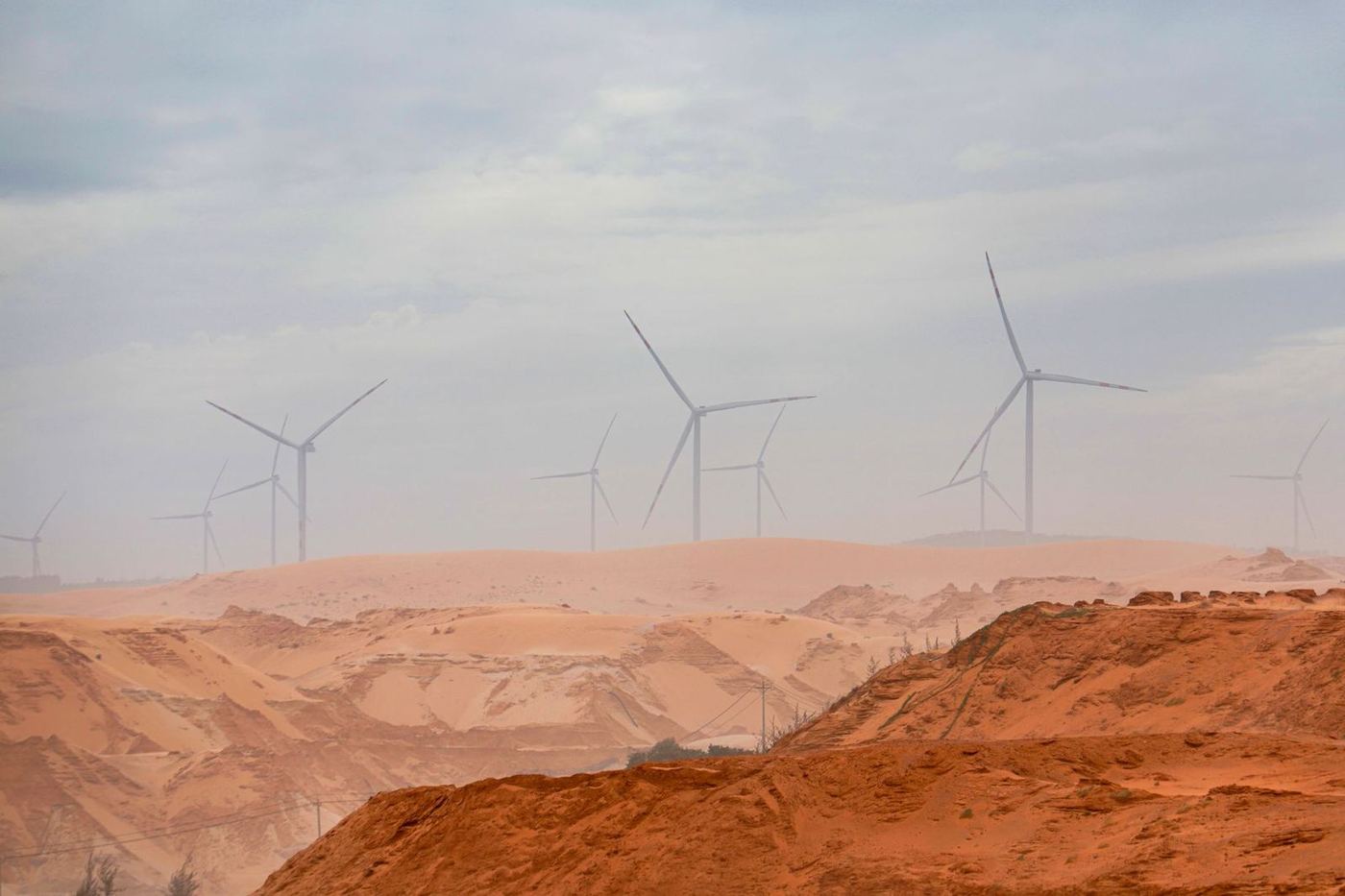
Coal Phase-Out Progress
Shandong's energy authorities announced the shutdown of all small coal-fired "extraction condensing" units in June. The province retired 555 units under 300 megawatts between 2021 and 2025. This action removed 17.5 gigawatts (GW) of capacity, exceeding any other Chinese province.
The closures reduced Shandong's average coal consumption per kilowatt-hour from 308g in 2020 to under 295g. This move improved efficiency for one of China's most populous and industrialised regions.
Persistent Heating Reliance
Despite these reductions, coal retains a critical role in Shandong's energy system. It maintains power grid stability and supplies essential district heating and industrial steam. Coal still accounts for around 85 per cent of space heating. It also supplies more than 95 per cent of industrial steam.
Unlike electricity, heat and industrial steam cannot be quickly transported over long distances. Replacing these local heat sources presents a significant challenge for the province.
Diversification and Upgrades
Shandong has pursued alternatives to support its coal transition. Non-fossil energy sources comprised 93 per cent of new installed power capacity from 2021 to 2025. These sources now represent approximately 55 per cent of Shandong's total capacity. The province developed diverse cleaner heating options, including nuclear heating and long-distance heat transmission.
Haiyang nuclear power station provides clean heating to 400,000 residents. Coal generators also received efficiency, heating, and flexibility retrofits, totalling 25 GW, 26 GW, and 49 GW respectively.
Shandong's ongoing transition reveals a key constraint for industrial economies: securing reliable heat supply. Businesses requiring industrial steam, especially, face potential disruptions without sufficient local alternatives. This drives demand for clean heating technologies and energy storage solutions.
Investment in advanced heat pumps, geothermal, or biomass projects could address this gap. Other Asian industrial regions with high coal reliance will watch Shandong's progress. Its experience shows the complex path to decarbonisation beyond power generation.
This article is journalism, not investment advice; consult a licensed professional before making financial decisions. Market data is indicative, may be delayed, and should be verified with your broker or exchange before use.
Comments.
Comments are moderated. We remove what is unlawful, abusive or off-topic, and and you remain responsible for what you post.
Reader comments open soon. Until then, corrections and responses go to our newsroom, and we publish what we get wrong on Corrections.