Seoul Shares Plunge 3.65% on Tech Sell-Off, Oil Prices
The Korea Composite Stock Price Index recorded its fourth consecutive session of losses on Monday, with foreign investors offloading over 2 trillion won in equities.
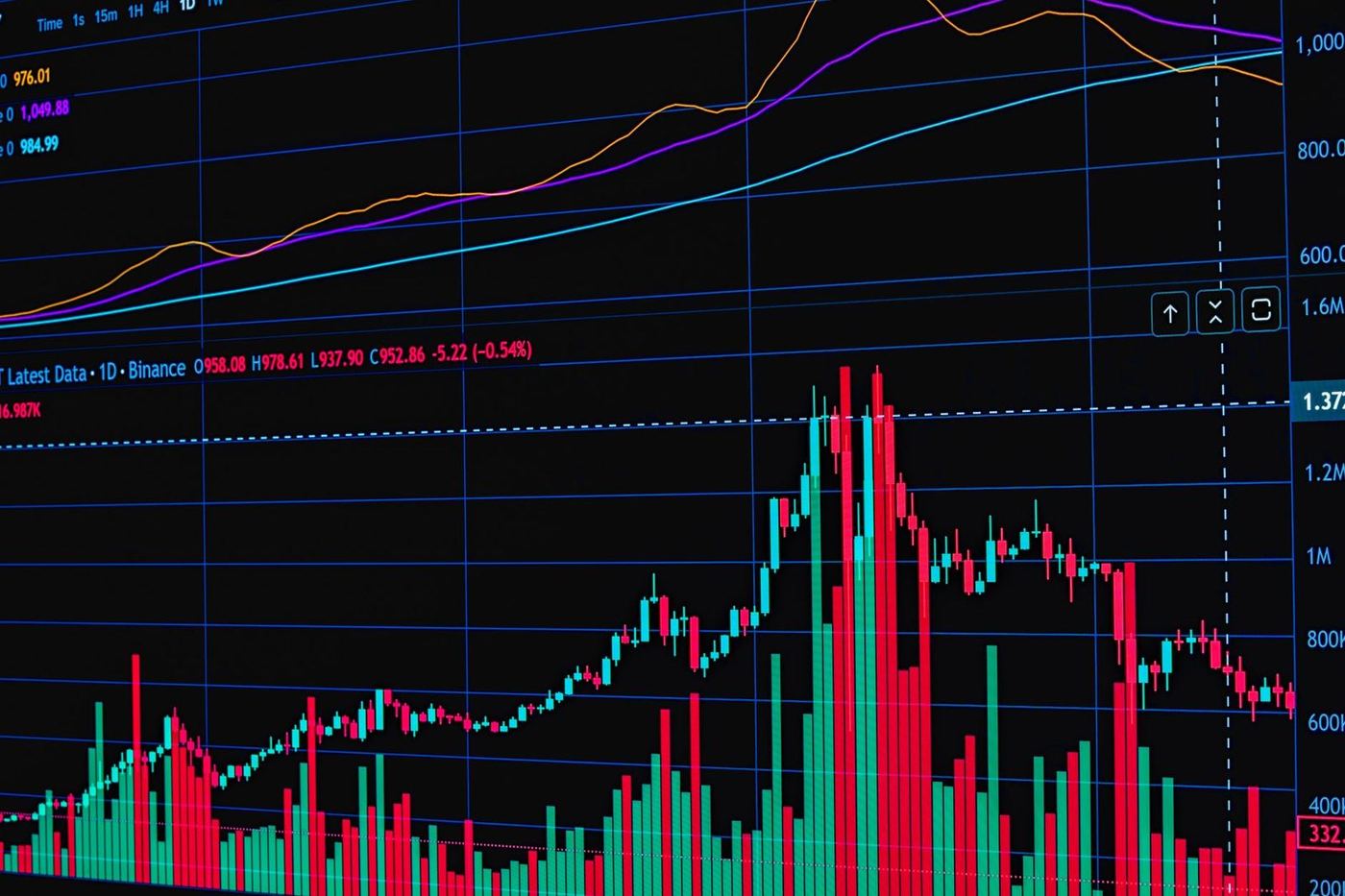
KOSPI Extends Losses on Monday
South Korean equities saw a significant downturn on Monday, 12 October 2026, with the benchmark Korea Composite Stock Price Index (KOSPI) closing down 3.65 per cent. The index shed 241.69 points to finish the trading day at 6,384.24. This marked the fourth consecutive session of declines for Seoul shares.
Trading activity was moderate, with 313 million shares exchanged, valuing 21.33 trillion won (approximately $16 billion). Data from the Korea Exchange showed that declining stocks vastly outnumbered advancers, with 717 issues falling against 166 that gained.
Foreign Investors Lead Sell-Off
The market's slide was largely driven by foreign and institutional investors offloading their holdings. Foreigners sold a net 2.02 trillion won worth of stocks, while institutions divested a net 110.65 billion won. In contrast, individual investors were net buyers, acquiring 1.47 trillion won in equities. Technology stocks bore the brunt of the sell-off.
Market leader Samsung Electronics Co. saw its shares fall 4.39 per cent to 250,500 won, and chip rival SK hynix Inc. declined 4.52 per cent to 1.6 million won. Defence manufacturer Hanwha Aerospace Co. dropped 3.25 per cent to 862,000 won, and top carmaker Hyundai Motor Co. shed 1.39 per cent to 320,000 won.
However, shipping firm HMM Co. rose 4.81 per cent to 21,800 won, and tobacco company KT&G Corp. climbed 1.58 per cent to 180,200 won.
Inflation and Oil Prices Fuel Concerns
Market sentiment was dampened by persistent inflation worries and elevated global oil prices. Rising oil costs, exacerbated by escalating tensions in the Middle East, raised concerns about their potential to disrupt energy supplies and intensify inflationary pressures worldwide.
This complicates efforts by central banks, including the US Federal Reserve, to manage price stability.
Hana Securities Co. analyst Lim Seung-mi attributed the KOSPI's plunge partly to rebalancing activities in semiconductor-focused exchange-traded funds (ETFs) and speculation that major tech companies like Samsung Electronics and SK hynix might have concluded their treasury stock buybacks.
Meanwhile, the Korean won strengthened against the US dollar, trading at 1,335.1 won per dollar by 3:30 p.m. on Monday, compared to 1,342.8 won at the previous session's close.
The substantial sell-off in South Korean technology shares highlights the vulnerability of the market to global inflation trends and energy supply concerns. Investors in Asian markets, particularly those exposed to semiconductor and export-oriented industries, will be closely watching oil price movements and their impact on input costs and consumer demand.
The analyst's note on potential treasury stock purchase completions suggests a shift in corporate support for valuations. Sustained foreign divestment could indicate ongoing caution, potentially affecting capital flows into South Korea's major tech firms. Further clarity on global inflation trajectories and energy market stability will be crucial for a recovery in the KOSPI.
This article is journalism, not investment advice; consult a licensed professional before making financial decisions. Market data is indicative, may be delayed, and should be verified with your broker or exchange before use.
Comments.
Comments are moderated. We remove what is unlawful, abusive or off-topic, and and you remain responsible for what you post.
Reader comments open soon. Until then, corrections and responses go to our newsroom, and we publish what we get wrong on Corrections.