US-Iran Tensions Threaten Hormuz, Oil Prices Jump
Crude oil prices recorded their largest weekly rise since July, driven by increased worries over energy flow disruptions through the Strait of Hormuz. Renewed US-Iran tensions spurred the gains, pushing West Texas Intermediate (WTI) towards US$92 a barrel.
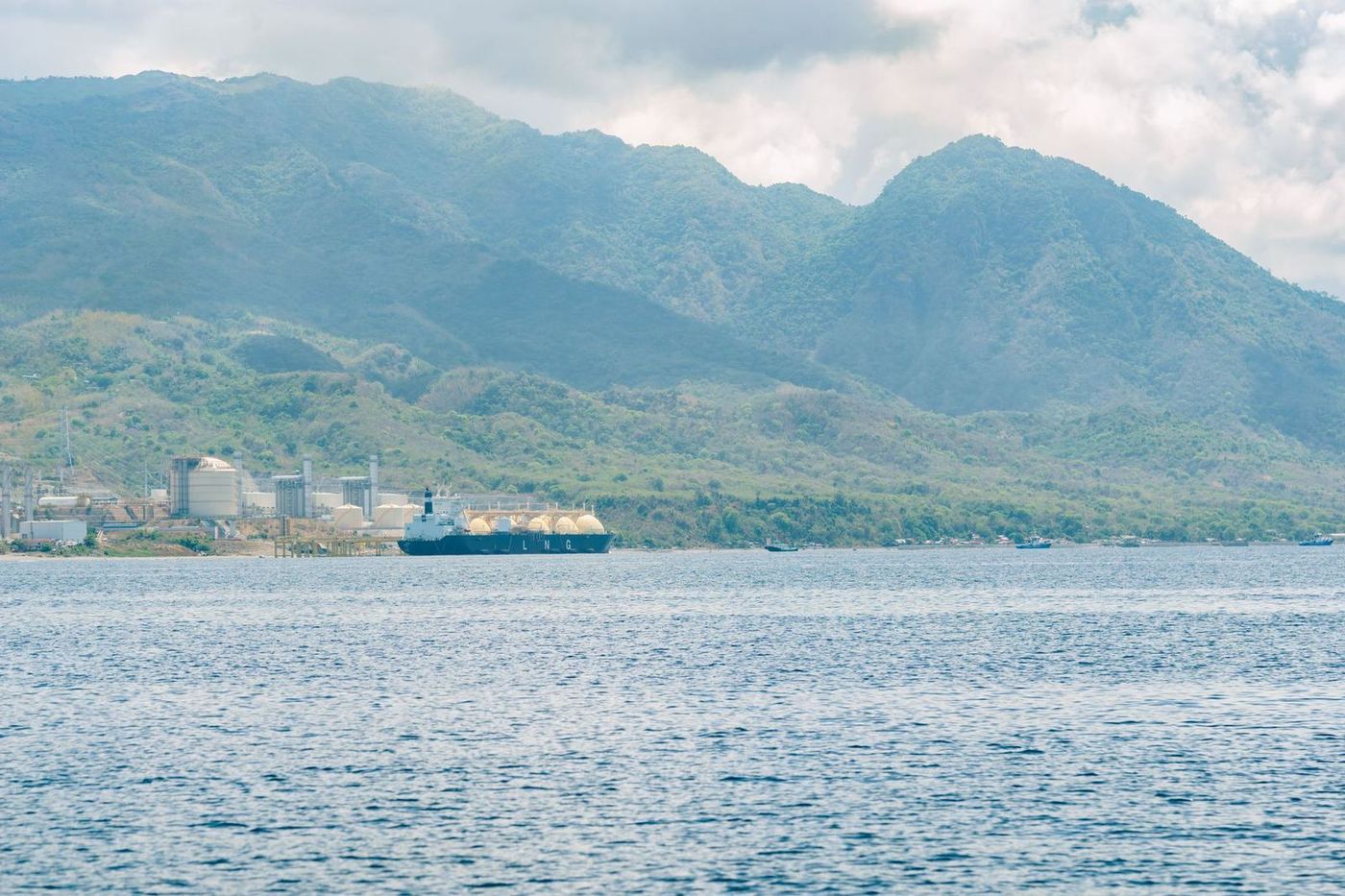
Energy Market Surge
Crude oil prices posted their largest weekly increase since July, as renewed US-Iran tensions raised worries over potential energy flow disruptions through the Strait of Hormuz. West Texas Intermediate (WTI) futures approached US$92 a barrel, recording a more than 9% gain this week. Brent crude settled below US$96 in the previous session.
Oil futures have climbed almost 60% this year, with refined products like diesel seeing even steeper price increases. These gains reflect the ongoing Middle East conflict and the Russia-Ukraine war.
Broader Impact and Supply Concerns
US retail diesel prices reached their highest level since mid-2022 this week, while European stockpiles remain well below seasonal averages. The Strait of Hormuz is a critical chokepoint, historically handling about a fifth of global oil and liquefied natural gas (LNG) shipments before the current conflict.
Iranian forces have continued to target vessels transiting the strait, intensifying fears of supply interruptions. Despite these actions, US officials stated this week that some crude shipments still exit the Persian Gulf through Hormuz, noting steady regional flows.
Asian Market Implications
Saudi Arabia maintained its flagship crude price for next month, potentially showing some easing in market tightness. However, Asian spot LNG prices rose to their highest in over three years this week. These elevated costs are affecting demand and national budgets across several Asian countries.
The region, heavily reliant on energy imports, faces significant economic pressure from sustained high fuel prices. Businesses in energy-intensive sectors, like manufacturing and logistics, will continue to see increased operational costs.
The So-What for Asian Business
Asian energy importers must monitor the Strait of Hormuz closely for any escalation that could further restrict supply. Higher LNG prices directly affect utility costs and consumer spending in economies like Japan, South Korea, and India.
Businesses in these nations will contend with persistent input cost inflation, impacting profit margins and potentially slowing industrial output. Investors should watch for shifts in energy import strategies and any government interventions aimed at subsidising fuel costs, which could affect fiscal stability in the region.
This article is journalism, not investment advice; consult a licensed professional before making financial decisions. Market data is indicative, may be delayed, and should be verified with your broker or exchange before use.
Comments.
Comments are moderated. We remove what is unlawful, abusive or off-topic, and and you remain responsible for what you post.
Reader comments open soon. Until then, corrections and responses go to our newsroom, and we publish what we get wrong on Corrections.