Oil Prices React to Hormuz Shipping Talks, Ukraine Conflict Risks
Oil prices saw mixed trading as market participants assessed ongoing diplomatic efforts regarding Strait of Hormuz shipping. Concerns over Ukraine conflict escalation also influenced sentiment, alongside persistent diesel market strain. Asian economies face higher import costs from this volatility.
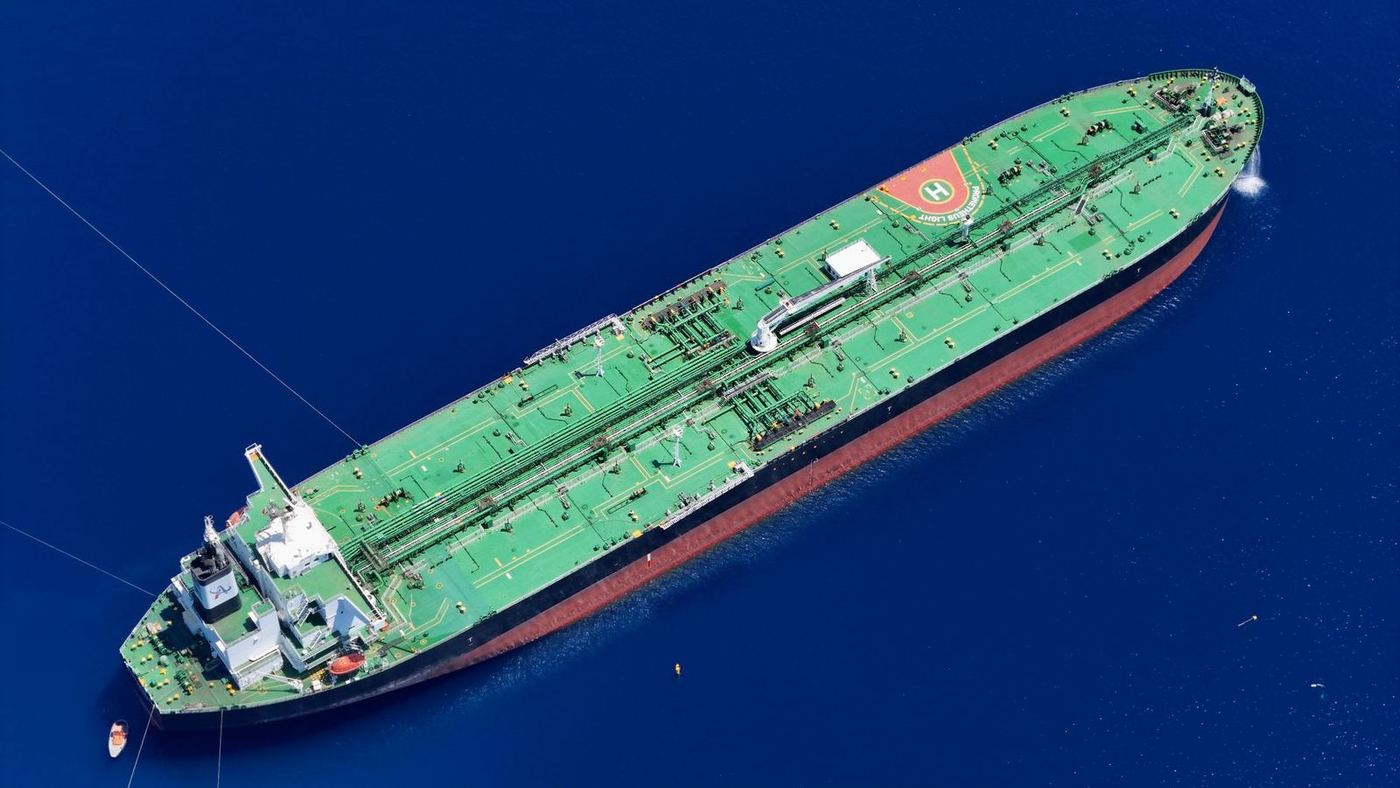
Hormuz Diplomacy and Price Volatility
Oil prices experienced a choppy session as market participants assessed ongoing diplomatic efforts regarding Strait of Hormuz shipping. Brent crude futures settled below $88 a barrel after fluctuating between gains and losses. West Texas Intermediate (WTI) showed little change, trading near $82.
Oman and Iran are actively pursuing a wider agreement on managing the crucial waterway. The Islamic Republic's military reported the two sides reached a revenue-sharing deal for the Strait. However, Tehran consistently states a navigation agreement would not equate to an immediate reopening of the shipping lane.
Ukraine Conflict Escalation and Supply Fears
Prices briefly pushed higher during the session following reports of a planned escalation in Ukraine. Russian President Vladimir Putin reportedly concluded that peace negotiations had stalled. This development sparked concerns about a fresh threat to global energy supplies should the conflict intensify.
Recent Ukrainian strikes on Russian refineries and ports have already tightened fuel markets. These actions prevent Moscow from diverting crude into exports, further stressing markets already disrupted by the fallout from the Iran conflict.
Diesel Market Strain and US Supplies
Diesel markets show particular strain globally. New York diesel futures settled higher, having more than doubled already this year. US data revealed domestic diesel supplies have fallen to their lowest seasonal level ever. This situation threatens to push prices even higher just as heating and agricultural seasons commence.
Europe has been significantly affected by this crunch, with buyers drawing on imports from Mexico for the first time in seven years. Despite these refined fuel shortages, crude barrels appear to be flowing from the Persian Gulf.
Shipping Flows, Risks, and Asian Impact
US President Donald Trump claimed 10 million barrels of oil exited Hormuz on Tuesday, bolstering hopes for increased shipments. Satellite imagery also showed rising Saudi Arabian oil loadings inside the Persian Gulf. This indicates the kingdom is finding workarounds to move barrels as Yemen’s Houthi militants threaten its Red Sea exports.
Dennis Kissler, senior vice president for trading at BOK Financial Securities Inc., stated the oil market leans towards more supplies moving through Hormuz. However, he noted the absence of a guaranteed timeline keeps many traders sidelined. Attacks on shipping continue, and US allies privately warn the Strait remains potentially mined.
For Asian economies, persistent oil price volatility and potential diesel shortages mean higher import costs. This impacts manufacturing and transport sectors, necessitating careful inventory management and hedging strategies for energy-intensive businesses across the region.
This article is journalism, not investment advice; consult a licensed professional before making financial decisions. Market data is indicative, may be delayed, and should be verified with your broker or exchange before use.
Comments.
Comments are moderated. We remove what is unlawful, abusive or off-topic, and and you remain responsible for what you post.
Reader comments open soon. Until then, corrections and responses go to our newsroom, and we publish what we get wrong on Corrections.