Nepal Floods Halt Hydropower Exports to Bangladesh; India Transit Issues Persist
Monsoon floods in Nepal have stopped hydropower exports to Bangladesh, damaging generation capacity. This disruption highlights ongoing challenges with transit capacity through India's grid.
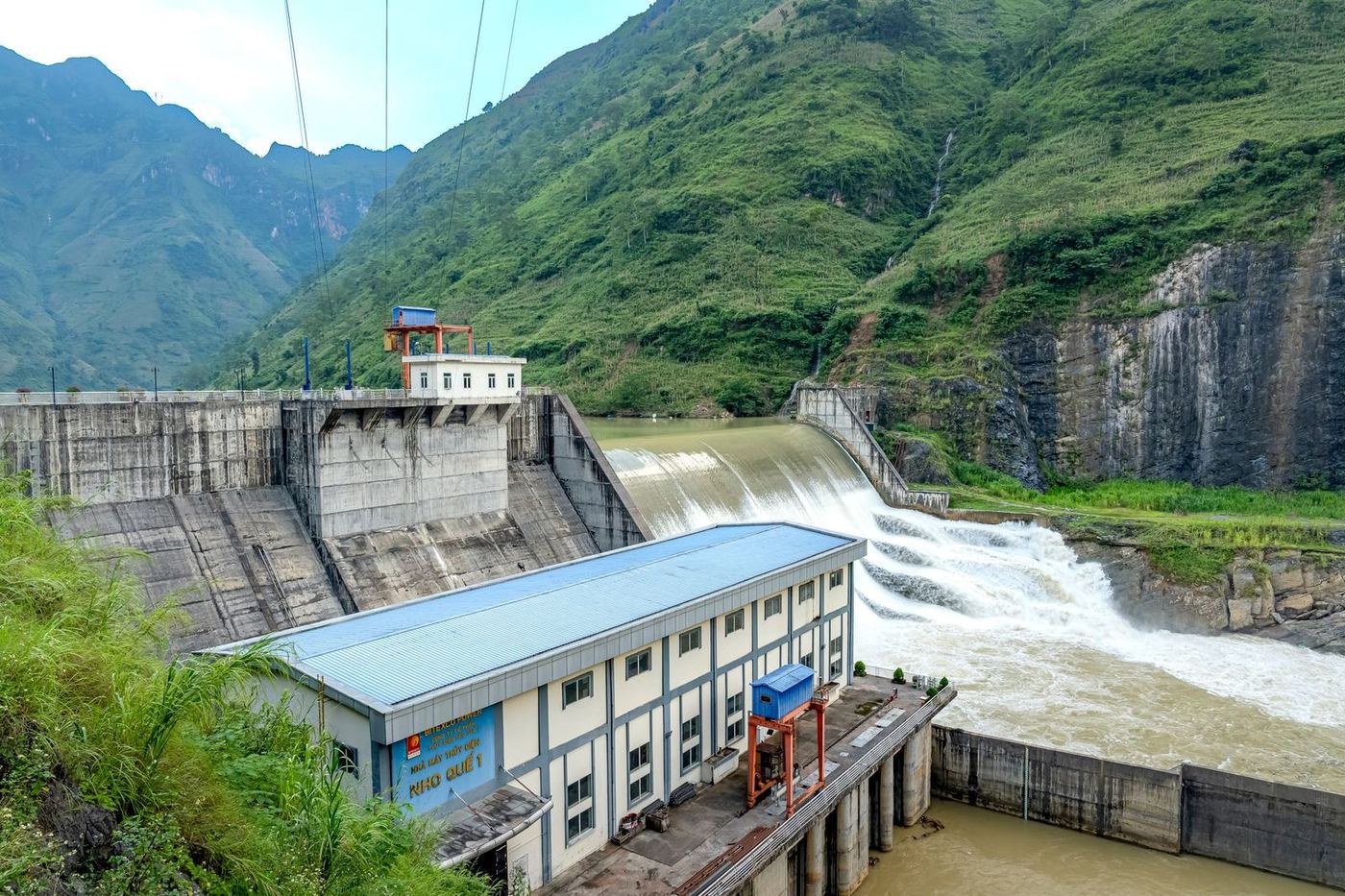
Floods Damage Nepal's Hydropower Capacity
Nepal's hydropower exports to Bangladesh have ceased following extensive damage to its power system. Monsoon flash floods swept through the Bhotekoshi and Trishuli river systems on 26 August. This disaster wiped out over 750 MW of electricity generation capacity.
Shaligram Bhandari, spokesperson for Nepal’s Ministry of Energy, Water Resources and Irrigation, confirmed on 3 September that the 22 MW Chilime and 24 MW Trishuli projects, previously approved for export, stopped generating electricity. Authorities in Dhaka and Kathmandu confirmed the halt in supplies.
India Transit Capacity Remains a Hurdle
This export disruption follows existing challenges with electricity transit through India. Since 2024, Nepal exported 40 MW to Bangladesh annually from June to November via India's network. This June, Nepal sought to export an additional 20 MW. India’s NTPC Vidyut Vyapar Nigam Limited, which manages cross-border grid operations, declined this request.
The company cited capacity constraints on the India-Bangladesh transmission line, according to Nepali government officials. India-Nepal energy cooperation talks in July did not resolve this 20 MW impasse.
Bangladesh Seeks Diversified Energy Sources
The halt arrives as Bangladesh faces significant power shortfalls, exacerbating its energy challenges. The country recently experienced load-shedding and widespread outages, with one point seeing a power shortfall exceeding 3,500 MW.
Bangladesh aims to diversify its electricity sources; 98 percent of its 32 GW installed capacity relies on fossil fuels, according to energy think-tank Ember. Nepal's monsoon-driven hydropower surplus offers a cheaper alternative, states Shafiqul Alam, lead analyst for Bangladesh at the Institute for Energy Economics and Financial Analysis.
Shahriar Ahmed Chowdhury, director of the Centre for Energy Research at United International University, notes this trade makes “economic sense”.
Regional Energy Trade Faces Political and Technical Barriers
The 20 MW dispute, despite its small volume, reveals broader technical and political barriers to South Asian energy trade. Experts cite procedural lapses and political factors, especially in the absence of a dedicated regional energy trade mechanism. Strained India-Bangladesh relations since Bangladesh's 2024 government change may also contribute.
For businesses, this highlights supply chain vulnerabilities for energy in South Asia. Dependence on single transit routes and susceptibility to natural disasters pose operational risks for regional industries and their energy costs.
This article is journalism, not investment advice; consult a licensed professional before making financial decisions. Market data is indicative, may be delayed, and should be verified with your broker or exchange before use.
Comments.
Comments are moderated. We remove what is unlawful, abusive or off-topic, and and you remain responsible for what you post.
Reader comments open soon. Until then, corrections and responses go to our newsroom, and we publish what we get wrong on Corrections.