Tunku Ismail's Singapore Land Sale Faces S$2 Billion Tax Burden
Johor's Regent Tunku Ismail Sultan Ibrahim confronts a significant land betterment charge, potentially S$2 billion, complicating his planned sale of prime Singapore property.
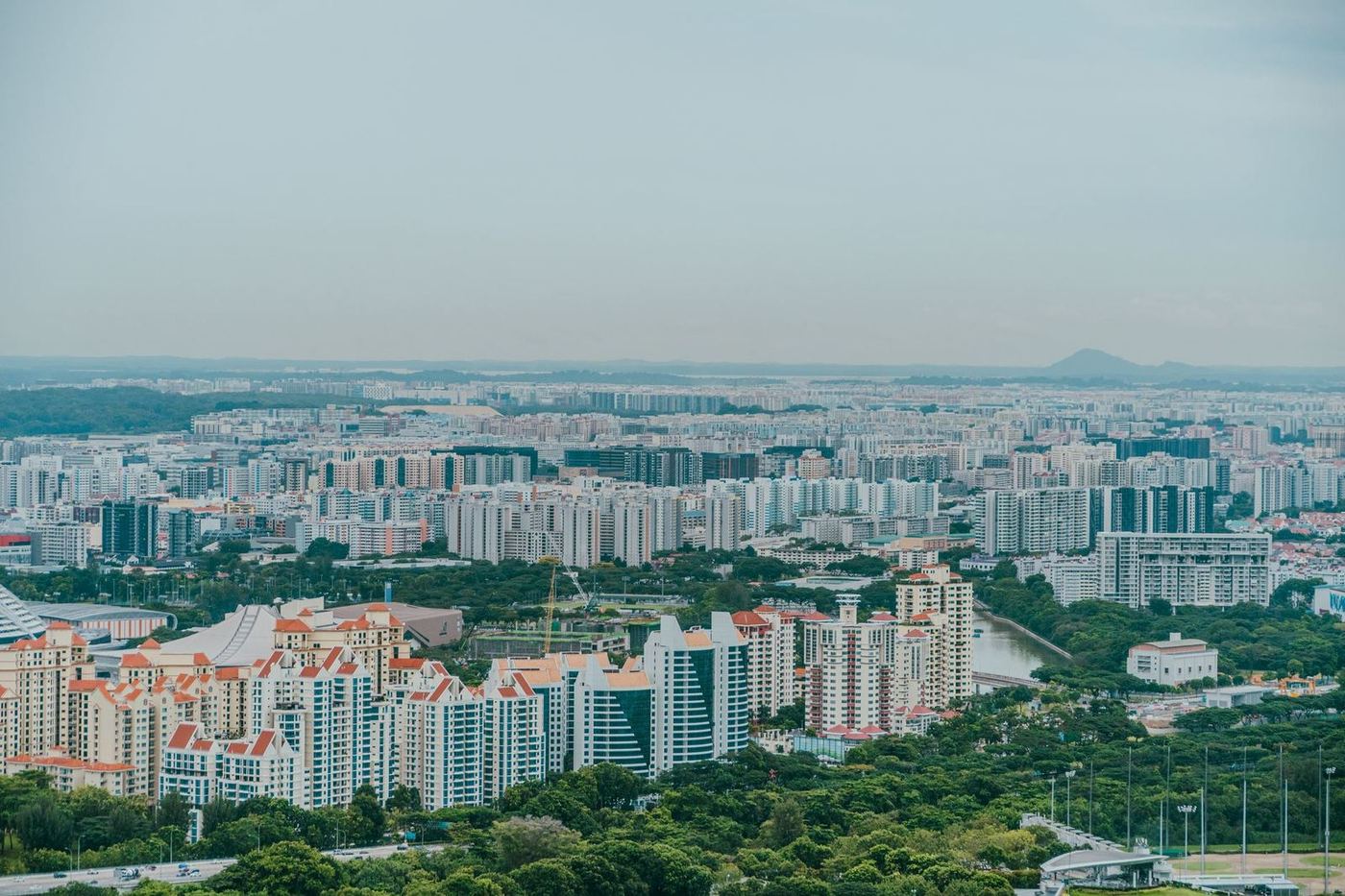
Major Tax Complicates Prime Land Deal
Tunku Ismail Sultan Ibrahim, Johor's Regent and son of Malaysia's King Sultan Ibrahim Iskandar, plans to sell a prime 16.6-hectare Singapore land plot. A land betterment charge, potentially exceeding S$2 billion (US$1.6 billion), complicates this transaction. This levy applies when government planning approval increases land value.
Tunku Ismail wants the buyer to bear this substantial cost. This demand has frustrated some Singaporean and Malaysian property developers, according to people familiar with the matter. Tunku Ismail's representatives are now approaching potential buyers in the U.S. and other markets.
Land History and Development Plans
The Johor royal family has held this land since the 1800s, originally spanning 21.1 hectares. A land swap with the Singapore government in June 2025 reduced the holdings to 16.6 hectares. This exchange moved development areas further from the Singapore Botanic Gardens, a UNESCO World Heritage Site.
In March 2026, Tunku Ismail applied to Singapore's Urban Redevelopment Authority (URA) to develop low-density housing and good-class bungalows (GCBs). The URA subsequently proposed rezoning parts of the site for residential use, designating some as a GCB Area.
Valuation and Tax Assessment
If rezoned, the land could be worth S$3.8–4.7 billion, according to Nicholas Mak, chief research officer at Mogul.sg. The Singapore Land Authority (SLA) stated the exact tax amount will be determined after development permission is granted. The levy is payable by the land's owner at the time of approval, though the owner can nominate other parties for payment.
This adds a layer of complexity to the transaction, given the significant sums involved and the royal family's estimated US$5.7 billion wealth in 2024.
This situation demonstrates challenges in Singapore's high-value real estate market. The substantial land betterment charge adds significant upfront costs and uncertainty for developers. This could temper interest in large-scale, prime land acquisitions, or drive up final property prices.
For investors, such transactions highlight regulatory complexities and the need for thorough due diligence on development levies. The outcome of Tunku Ismail's sale will reveal market appetite for such premium, high-cost developments in Singapore.
This article is journalism, not investment advice; consult a licensed professional before making financial decisions. Market data is indicative, may be delayed, and should be verified with your broker or exchange before use.
Comments.
Comments are moderated. We remove what is unlawful, abusive or off-topic, and and you remain responsible for what you post.
Reader comments open soon. Until then, corrections and responses go to our newsroom, and we publish what we get wrong on Corrections.