Indian Equities Face Lower Open as Crude Prices Climb Past $100
India's Sensex and Nifty 50 will open lower on 10 September, driven by global caution. Brent crude trades near $102 a barrel, revisiting a July high. Rising bond yields also contribute to market weakness, reviving inflation and interest rate outlook concerns.
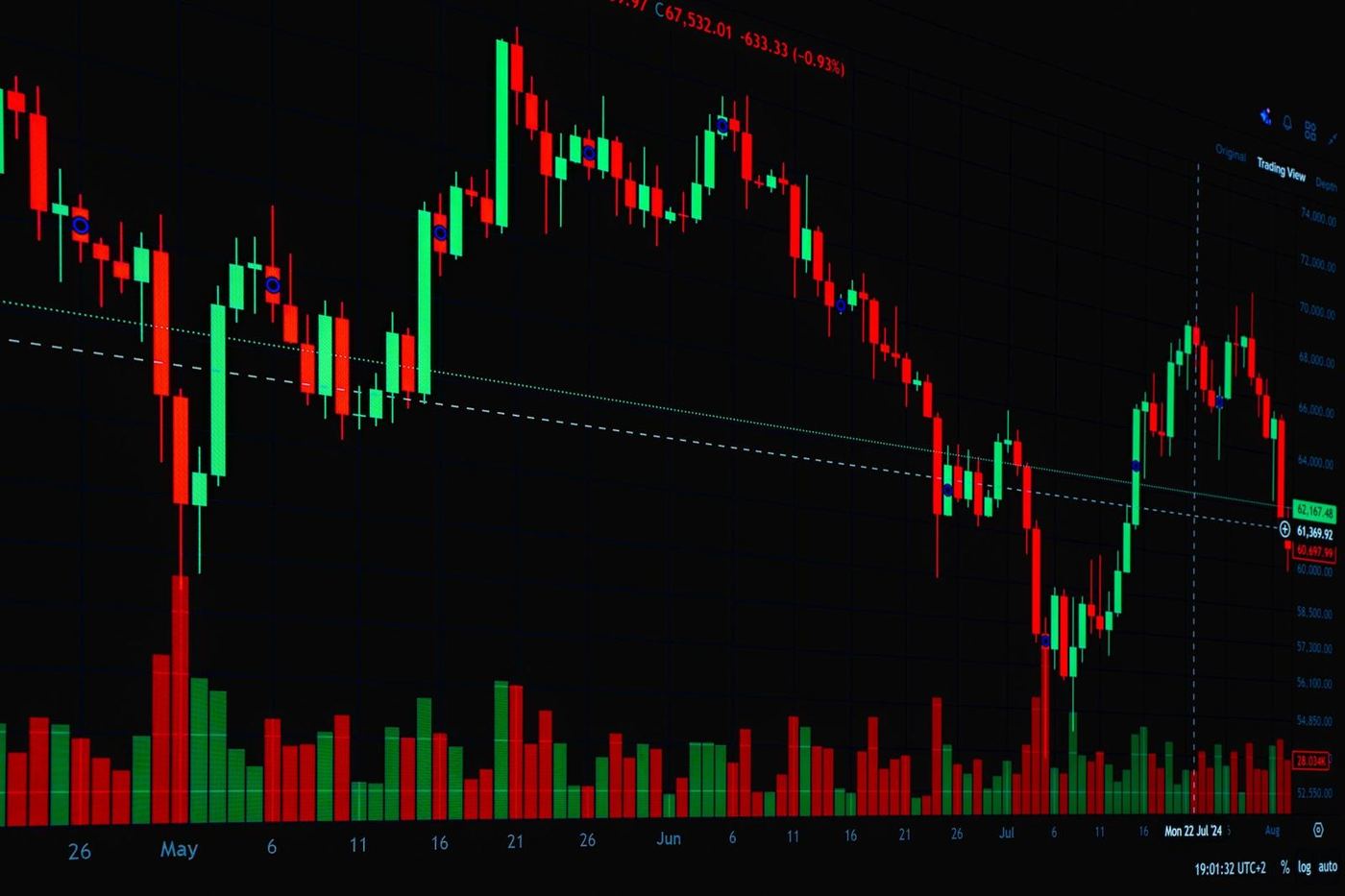
Indian Markets Anticipate Weaker Start
India's Sensex and Nifty 50 indices are expected to open lower on Thursday, 10 September. Both benchmarks closed down in the previous session. The Sensex dropped 813.35 points, or 1.08%, to 74,764.23. The Nifty 50 settled 203.60 points, or 0.86%, lower at 23,431.50. Gift Nifty live charts show a flat-to-negative start for Indian equities. Hariselvan Radhakrishnan, Founder & CEO of HST Wealth, noted a cautious market opening.
Global Cues Drive Caution
Global sentiment remains weak, primarily due to elevated crude oil prices and rising bond yields. Brent crude trades near $102 a barrel. This level revisits its 23 July high. Traders prepare for deeper supply disruptions following attacks on shipping. A sustained breakout above $102 would intensify concerns about inflation and interest rate outlooks. This could further pressure Indian equities.
Key Support and Resistance Levels
Sachin Gupta, VP – Technical Research at Choice Equity Broking, observed the Sensex slipped below 75,000. It closed near the day's lower end, showing short-term weakness. He placed immediate support at 74,500-74,600, with 75,000-75,200 as key resistance. Nagaraj Shetti, Senior Technical Research Analyst at HDFC Securities, stated the Nifty 50 formed a long bearish candle.
This indicates strong downside momentum. However, midcap, small-cap, and microcap segments have outperformed, showing bullish patterns.
Sustained high crude prices present significant challenges for India. Elevated oil costs directly fuel domestic inflation, impacting consumer purchasing power. They also pressure the Indian rupee, potentially weakening its value against major currencies. Furthermore, higher crude imports can worsen India's current account deficit.
This situation squeezes corporate profit margins, particularly for companies reliant on energy inputs. Businesses should monitor crude price movements closely for operational cost planning.
This article is journalism, not investment advice; consult a licensed professional before making financial decisions. Market data is indicative, may be delayed, and should be verified with your broker or exchange before use.
Comments.
Comments are moderated. We remove what is unlawful, abusive or off-topic, and and you remain responsible for what you post.
Reader comments open soon. Until then, corrections and responses go to our newsroom, and we publish what we get wrong on Corrections.