South Korea FSS Curbs Leveraged Investing, Brokerages Face New Rules
The Financial Supervisory Service announced measures to protect investors from debt-financed trading, targeting minors and elderly clients as credit balances exceed ₩33 trillion.
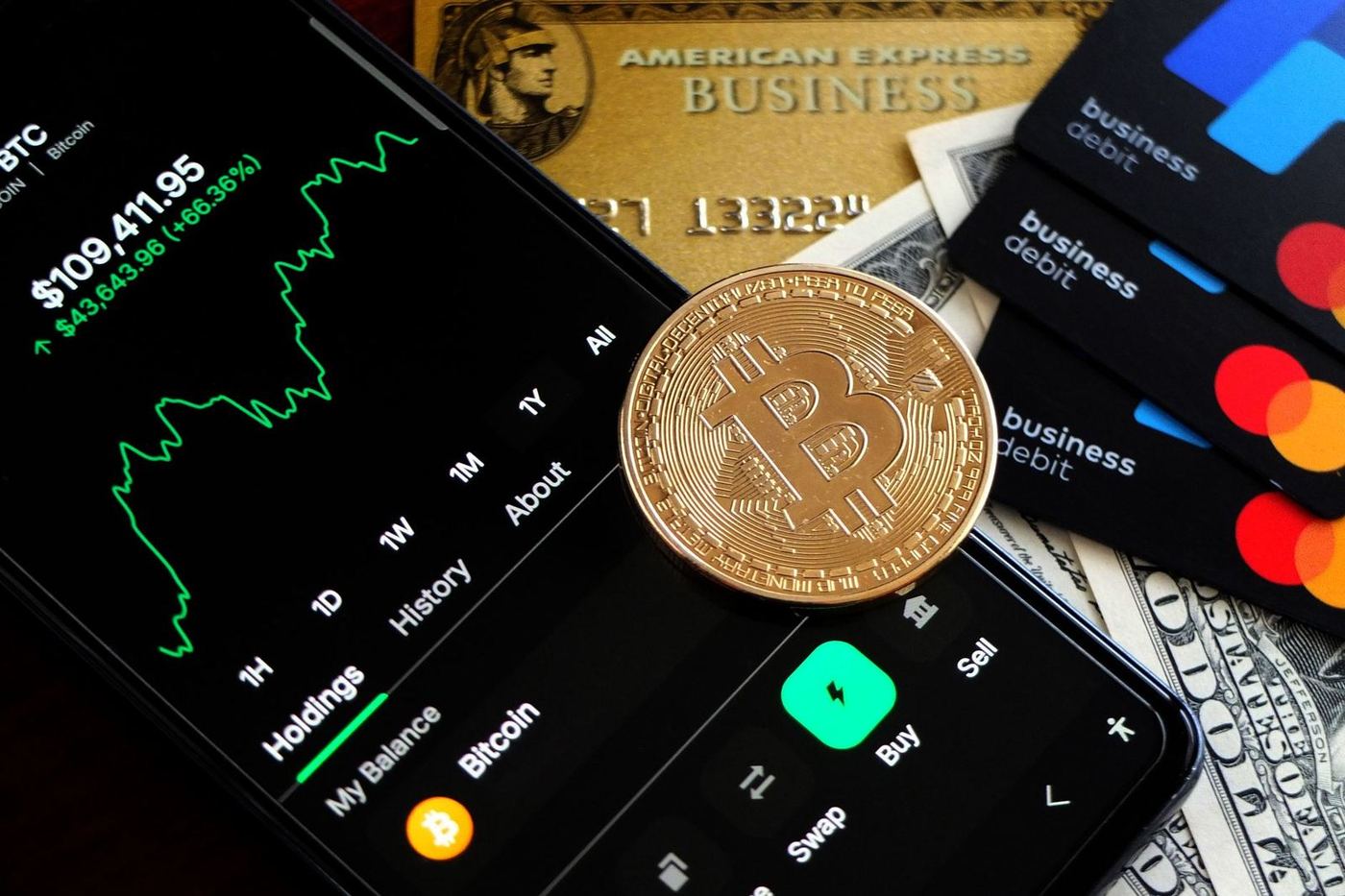
FSS Moves to Tighten Credit Trading
South Korea's Financial Supervisory Service (FSS) is implementing stronger consumer protection measures for debt-financed investing. The regulator announced its detailed plans on Thursday, 17 September, at its headquarters in Seoul.
Lee Se-hoon, a senior deputy governor at the FSS, stated that the agency is finalising these details with the Financial Services Commission and other relevant bodies. This initiative aims to address a recent increase in leveraged trading across the country's capital markets, seeking to reduce excessive exposure.
New Rules Target Specific Investor Groups
The FSS proposals include restricting credit trading for minors and requiring additional confirmation procedures for elderly investors. Brokerage firms will also need to provide investors with simulated scenarios, illustrating potential losses and the timing of forced selling (margin calls). Furthermore, notification processes before any forced share sales would be improved.
Concurrently, brokerage firms are developing their own responses and discussing risk management for leveraged trading with the Korea Financial Investment Association (KOFIA).
Credit Balances Show Market Growth
This regulatory push follows a recent surge in credit-financed investments. According to the Korea Financial Investment Association, credit-financing balances reached approximately 33.07 trillion won as of Wednesday, 16 September.
This marked an increase of 241.6 billion won from the previous day and an overall rise of 808.6 billion won since 11 September, representing three consecutive trading days of growth.
The FSS also plans to inspect how brokerage firms manage accounts for minors, including stock-backed loans, after the outstanding balance in minor accounts surged to around 200 million won (US$145,000).
These new rules will directly affect individual investor behaviour and brokerage operational costs in South Korea. Firms will need to update compliance protocols and risk disclosure frameworks, potentially impacting trading volumes for certain client segments. While domestic market volatility has eased, the FSS remains concerned about potential losses from increased leverage.
Other Asian regulators, particularly in markets with high retail participation like Vietnam or Thailand, may observe South Korea's approach as they manage similar trends in debt-fueled investing.
This article is journalism, not investment advice; consult a licensed professional before making financial decisions. Market data is indicative, may be delayed, and should be verified with your broker or exchange before use.
Comments.
Comments are moderated. We remove what is unlawful, abusive or off-topic, and and you remain responsible for what you post.
Reader comments open soon. Until then, corrections and responses go to our newsroom, and we publish what we get wrong on Corrections.