IEEFA: Indonesia Must Integrate 100 GW Solar Goal into National Power Plan
Indonesia's 100 gigawatt solar target needs integration into its national electricity strategy, IEEFA states. This would coordinate investments as solar costs fall below coal.
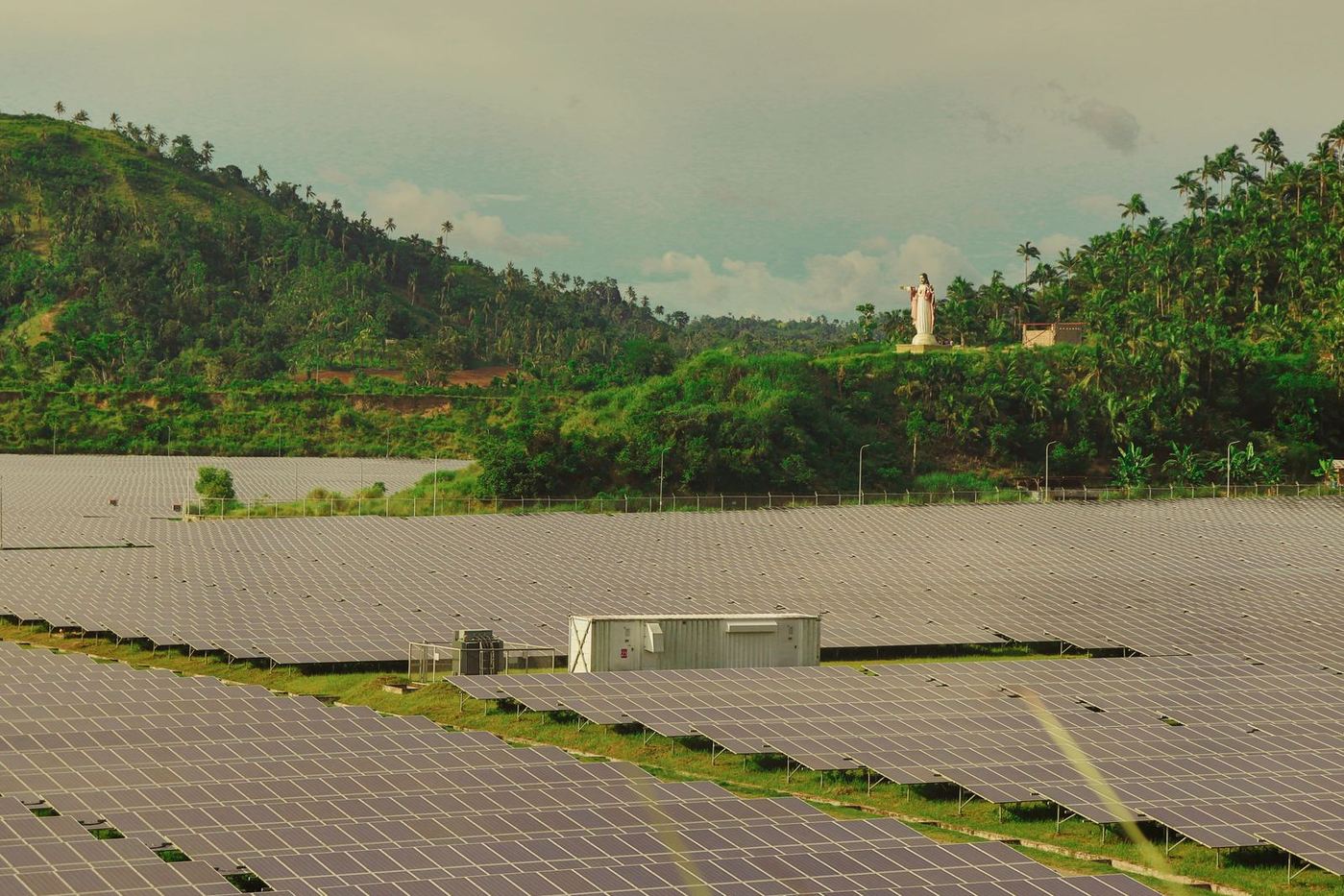
Solar Costs Undercut Coal
The Institute for Energy Economics and Financial Analysis (IEEFA) urges Indonesia to embed its 100 gigawatt (GW) solar programme within national least-cost electricity planning. Treating the target as standalone risks uncoordinated investments, IEEFA warns. Utility-scale solar is now up to 44 per cent cheaper than coal, according to their analysis.
This cost advantage drives the integration call, aiming for reliable electricity supply at the lowest overall system expense. The national plan considers plant upfront costs, along with fuel, grid, storage, and operating expenses.
Planning for Diverse Solar
President Prabowo Subianto launched the solar programme on 25 August. IEEFA recommends incorporating it into future revisions of Indonesia’s Electricity Supply Business Plan (RUPTL). This 10-year roadmap guides specific generation, grid, storage, and procurement choices. The RUPTL should plan for various solar project types together, not separately.
These include ground-based solar, floating solar (with 91.6 GW potential across lakes and dams), and rooftop solar (30-40 GW potential from households and businesses). Replacing coal or gas power needs approximately three times more solar capacity for the same electricity volume; diesel replacement requires twice as much.
Shifting Energy Economics
IEEFA reports utility-scale solar photovoltaic (PV) costs US$0.05–US$0.08 per kilowatt-hour (kWh). This compares to coal-fired generation at US$0.10–US$0.15 per kWh. Onshore wind also shows a cost advantage at US$0.06–US$0.10 per kWh. Coal generation costs rose 46 per cent to IDR930 (US$0.052) per kWh in 2025, projected to reach IDR1,060 (US$0.06) per kWh in 2026.
This shift weakens coal's traditional low-cost position. Indonesia's power planning needs to reflect these current and projected generation costs, not outdated assumptions.
Integrating the solar plan can direct investment to areas yielding the largest savings. Strategically locating solar and associated storage in high-cost regions reduces reliance on expensive fossil fuels, enhancing energy security.
An early retirement strategy for inefficient fossil fuel plants, particularly aging coal facilities, could also free grid capacity, cut subsidies, and create space for new renewables. Mutya Yustika, IEEFA’s research lead for Indonesia, states that planning must reflect current economics.
This change offers clearer investment signals for renewable energy developers and infrastructure firms operating in Indonesia.
This article is journalism, not investment advice; consult a licensed professional before making financial decisions. Market data is indicative, may be delayed, and should be verified with your broker or exchange before use.
Comments.
Comments are moderated. We remove what is unlawful, abusive or off-topic, and and you remain responsible for what you post.
Reader comments open soon. Until then, corrections and responses go to our newsroom, and we publish what we get wrong on Corrections.