Huawei's Tau Scaling Law Solves Kirin Chip Overheating Challenge
Huawei's latest research demonstrates its Tau Scaling Law architecture prevents overheating in vertically stacked semiconductors. This addresses a critical hurdle for its forthcoming Kirin 2026 smartphone chip, allowing greater transistor density and lower power use.
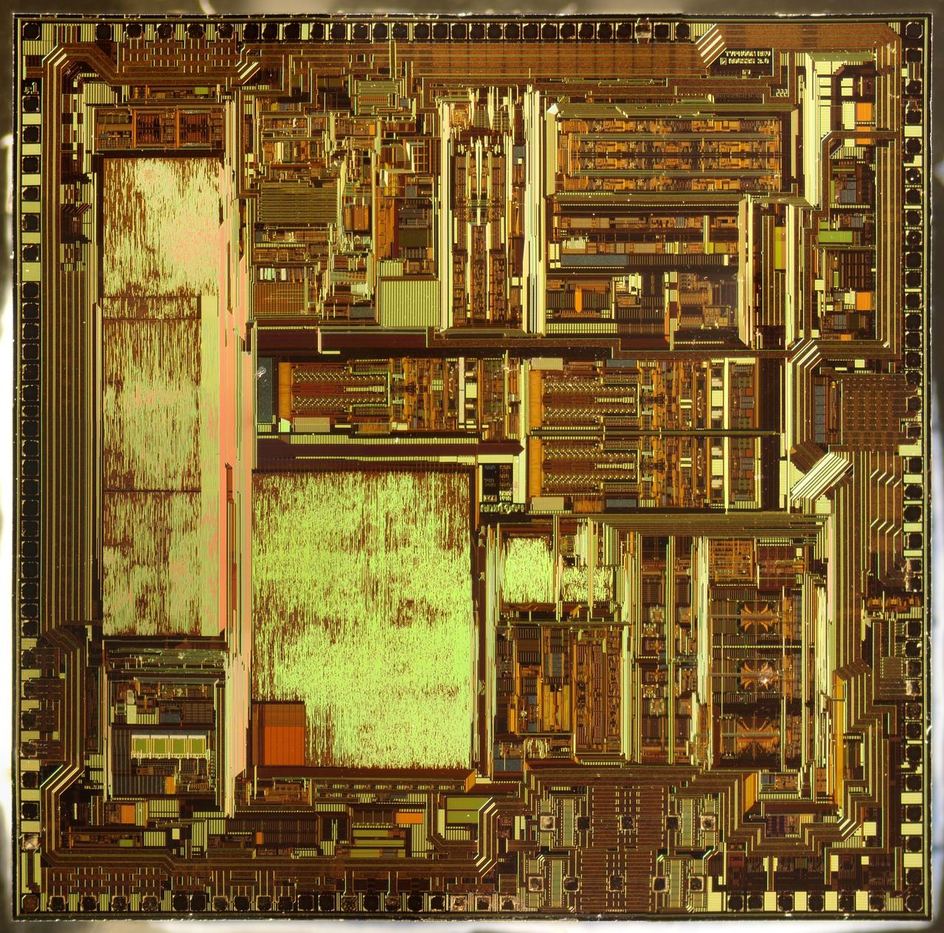
New Architecture Targets Thermal Issues
Huawei Technologies has published new research detailing a solution to semiconductor overheating. The company's Tau Scaling Law-based architecture prevents thermal issues in vertically stacked chips. This development is crucial for Huawei's anticipated Kirin 2026 smartphone chip, resolving a significant technical challenge.
He Tingbo, chairwoman of Huawei's Scientist Committee and president of its semiconductor business department, authored the paper.
Improved Efficiency and Density
The paper directly refutes prior scepticism that vertical stacking would create a thermal bottleneck. Huawei's measurements for the new Kirin chip show it runs cooler than its predecessor. It also packs 55 per cent more transistors per square millimetre. Power consumption for some key tasks drops by up to 66 per cent. This allows flexible switching between functional constraints and peak performance, according to the company.
Research Published Ahead of Peer Review
Huawei published the findings on Friday, 4 September 2026, via ChinaXiv. This platform hosts scientific papers awaiting peer review. He Tingbo noted that heat was "the sharpest concern on Tau Scaling Law." However, the company's tests "turned that objection upside down" with its new Kirin design. This research underscores Huawei's ongoing efforts in advanced chip development.
This breakthrough could strengthen Huawei's position in the competitive smartphone chip market. Overcoming thermal limits allows for more powerful, efficient mobile processors. For Asian semiconductor manufacturers and device makers, this research shows a path forward for advanced chip design.
It also highlights continued innovation within China's domestic technology sector, potentially shifting supply chain dynamics.
This article is journalism, not investment advice; consult a licensed professional before making financial decisions. Market data is indicative, may be delayed, and should be verified with your broker or exchange before use.
Comments.
Comments are moderated. We remove what is unlawful, abusive or off-topic, and and you remain responsible for what you post.
Reader comments open soon. Until then, corrections and responses go to our newsroom, and we publish what we get wrong on Corrections.