Huawei Kirin 2026 Findings Ease 3D Chip Heat Concerns
The Chinese technology firm's upcoming processor presents new findings on transistor density, potentially reshaping future high-performance chip development for the industry.
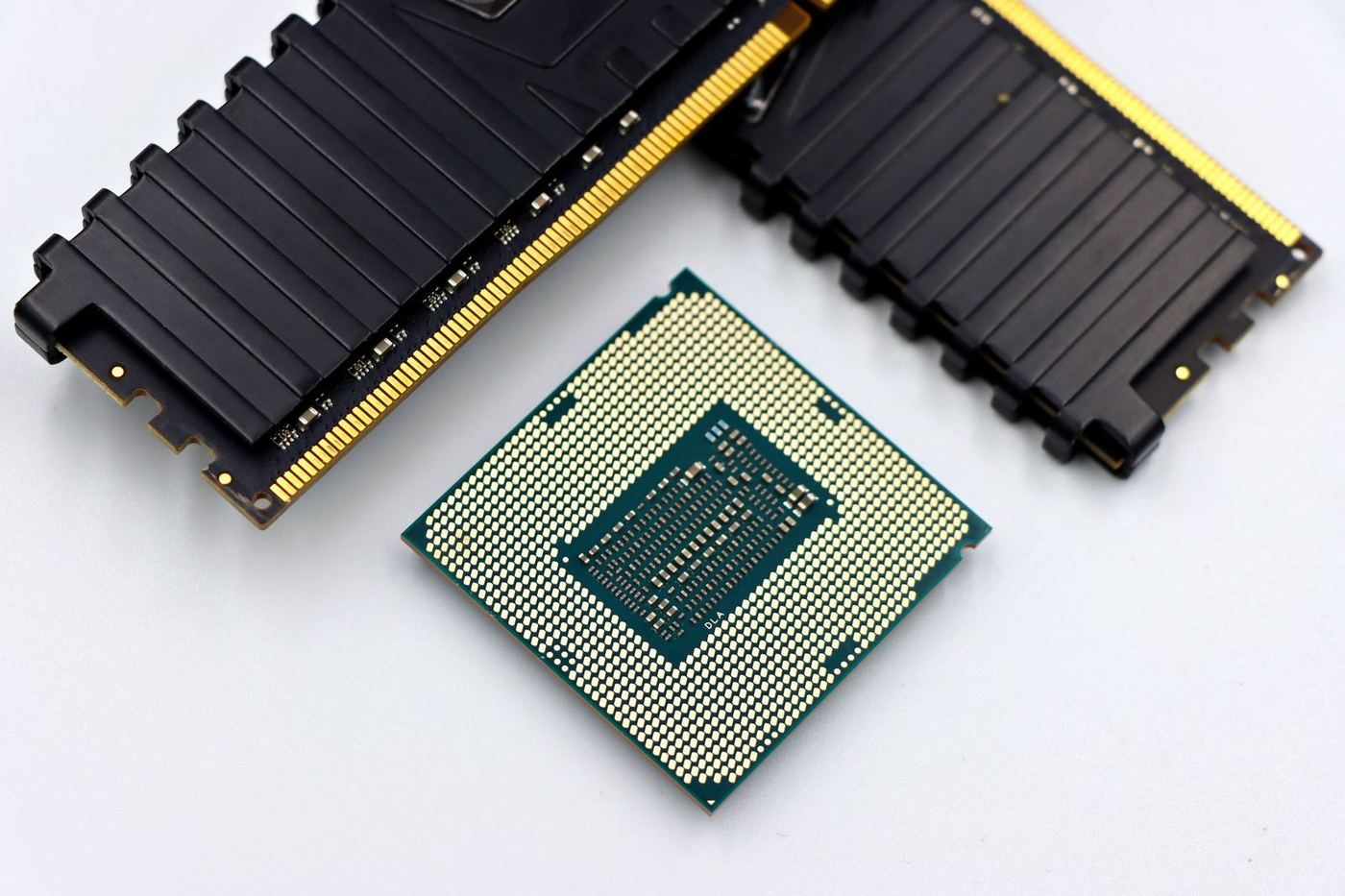
Huawei Disputes Inevitable Heat Increase
Huawei has presented new findings from its Kirin 2026 processor, directly challenging a long-held assumption in advanced chip design. The Chinese technology giant is using measured data to dispute the notion that higher transistor density in three-dimensional (3D) chips automatically leads to increased heat generation.
This contention, made public on 7 September 2026, could significantly alter how future high-performance processors are conceptualised and built, particularly for compact devices and data centres.
Kirin 2026 Processor Findings
The core concern Huawei addresses revolves around vertically stacked logic, a crucial element in advanced chip architectures. Historically, engineers have faced a trade-off: increasing transistor density, which boosts processing power, was believed to inherently escalate thermal output.
Huawei's data from the Kirin 2026 processor suggests this relationship is not absolute, potentially decoupling density from heat as an inevitable consequence. This could enable designers to pursue even greater integration without being constrained by traditional thermal management challenges.
Reshaping Advanced Chip Design
These findings could pave the way for a paradigm shift in advanced chip design methodologies. Overcoming the perceived thermal limitations of high-density 3D stacking would allow for the creation of more powerful and energy-efficient processors.
This could accelerate the development of next-generation computing, from artificial intelligence accelerators to mobile devices and servers, by enabling greater computational capacity within smaller physical footprints. The industry may now explore new architectural possibilities previously deemed impractical due to heat concerns.
For Asian semiconductor manufacturers and design houses, Huawei’s research could unlock new competitive advantages and product roadmaps. Companies across the region, from foundry operators to electronics brands, may re-evaluate their strategies for high-performance computing components.
If these thermal barriers are indeed surmountable, it could drive innovation in areas like advanced packaging and materials science, potentially shifting investment towards new fabrication processes that capitalise on these findings. This development warrants close attention from investors in the tech-semiconductor supply chain.
This article is journalism, not investment advice; consult a licensed professional before making financial decisions. Market data is indicative, may be delayed, and should be verified with your broker or exchange before use.
Comments.
Comments are moderated. We remove what is unlawful, abusive or off-topic, and and you remain responsible for what you post.
Reader comments open soon. Until then, corrections and responses go to our newsroom, and we publish what we get wrong on Corrections.