Standard Chartered: Hong Kong Affluent Prioritise Travel, Early Retirement Over Property
Wealthy Hongkongers now value immersive travel and early retirement above real estate. A Standard Chartered survey shows a significant shift in life goals among the city's affluent residents.
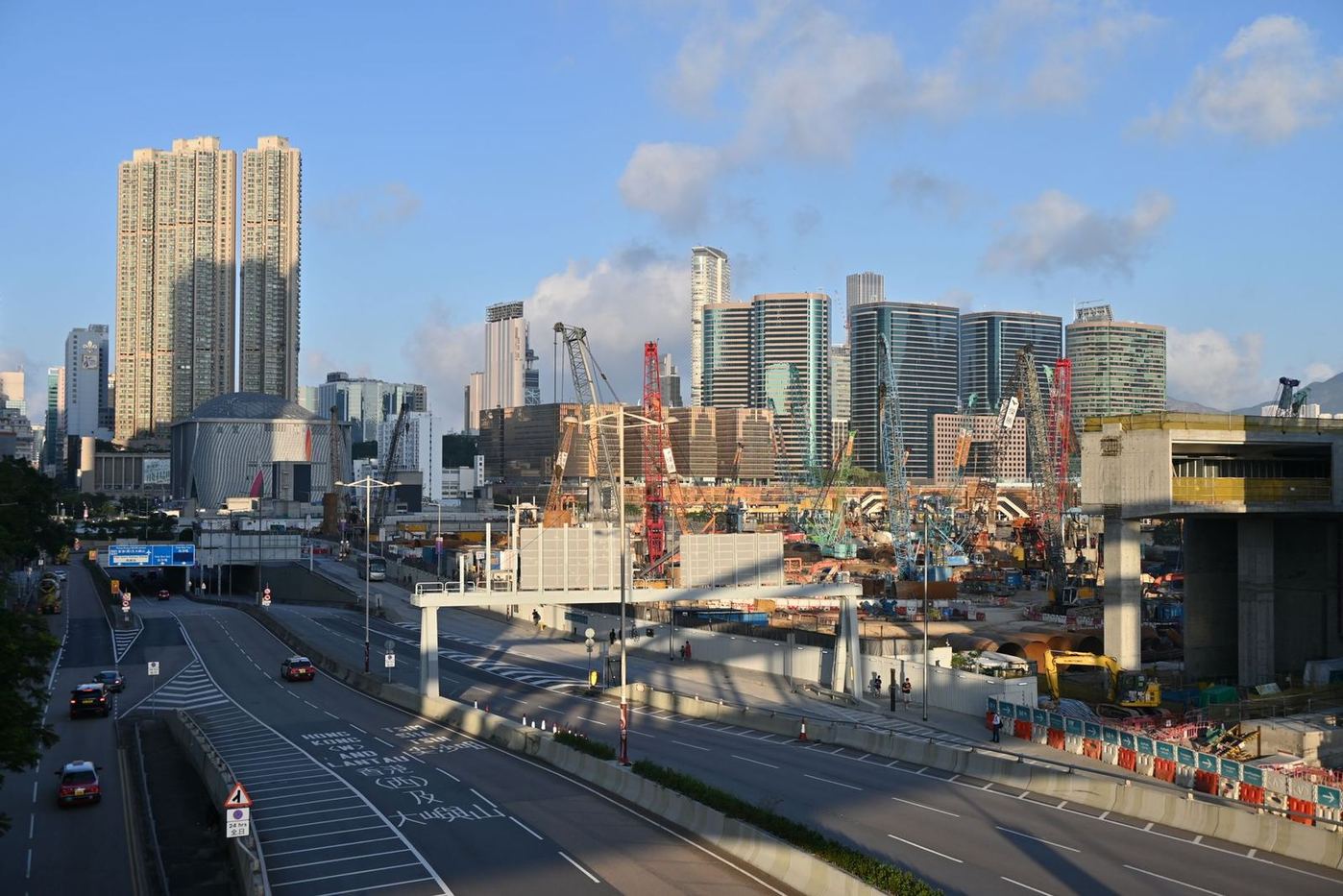
Affluent Hongkongers Rethink Life Goals
Affluent Hong Kong residents increasingly prioritise immersive travel and early retirement over real estate, Standard Chartered reported. The bank's Hong Kong Travel Value Report 2026, published this week, details this significant shift in life goals.
Standard Chartered surveyed 1,058 wealthy individuals in June, all aged 30 or above with at least HK$1 million (US$127,449) in investible assets. This demographic now views property ownership as less central to their aspirations.
Travel and Wellness Outrank Property
Early retirement emerged as the top life goal, selected by 49 per cent of respondents. Immersive travel followed closely at 48 per cent, placing second. Holistic wellness ranked third, chosen by 47 per cent. In contrast, buying a first home or a dream home only appeared seventh on the list, selected by just 24 per cent of the affluent group.
For 72 per cent of high-net-worth individuals (HNWIs) with HK$7.8 million or more in investible assets, travel builds "intangible capital, broadening outlook and sustaining long-term well-being".
Overseas Education Spending Shifts
Affluent parents also show a clear preference for travel as an educational investment. Standard Chartered found 92 per cent of these parents consider overseas travel the "most meaningful and valuable component" of their child's education. This priority ranks ahead of traditional options like tutoring and extracurricular classes.
The findings suggest a broader re-evaluation of how wealthy families allocate resources for personal and family development.
This shift in priorities could have implications for Hong Kong's property market and related sectors. Real estate has historically been a critical asset for Hong Kong households.
A 2024 report by Shenzhen-based Great Wall Securities showed the sector contributed over 30 per cent to the city’s gross domestic product (GDP) from 2000–2003, before falling to about 21 per cent in 2021.
Businesses targeting Hong Kong's affluent must now adapt their offerings, focusing more on luxury travel, wellness, and retirement planning services rather than solely on property investment.
This article is journalism, not investment advice; consult a licensed professional before making financial decisions. Market data is indicative, may be delayed, and should be verified with your broker or exchange before use.
Comments.
Comments are moderated. We remove what is unlawful, abusive or off-topic, and and you remain responsible for what you post.
Reader comments open soon. Until then, corrections and responses go to our newsroom, and we publish what we get wrong on Corrections.