Hanwha Aerospace Launches Hanwha Horizon USA for South Korea LNG Supply
South Korean firm Hanwha Aerospace launched Hanwha Horizon USA to manage liquefied natural gas (LNG) procurement and trading, bolstering South Korea's energy security and global operations.
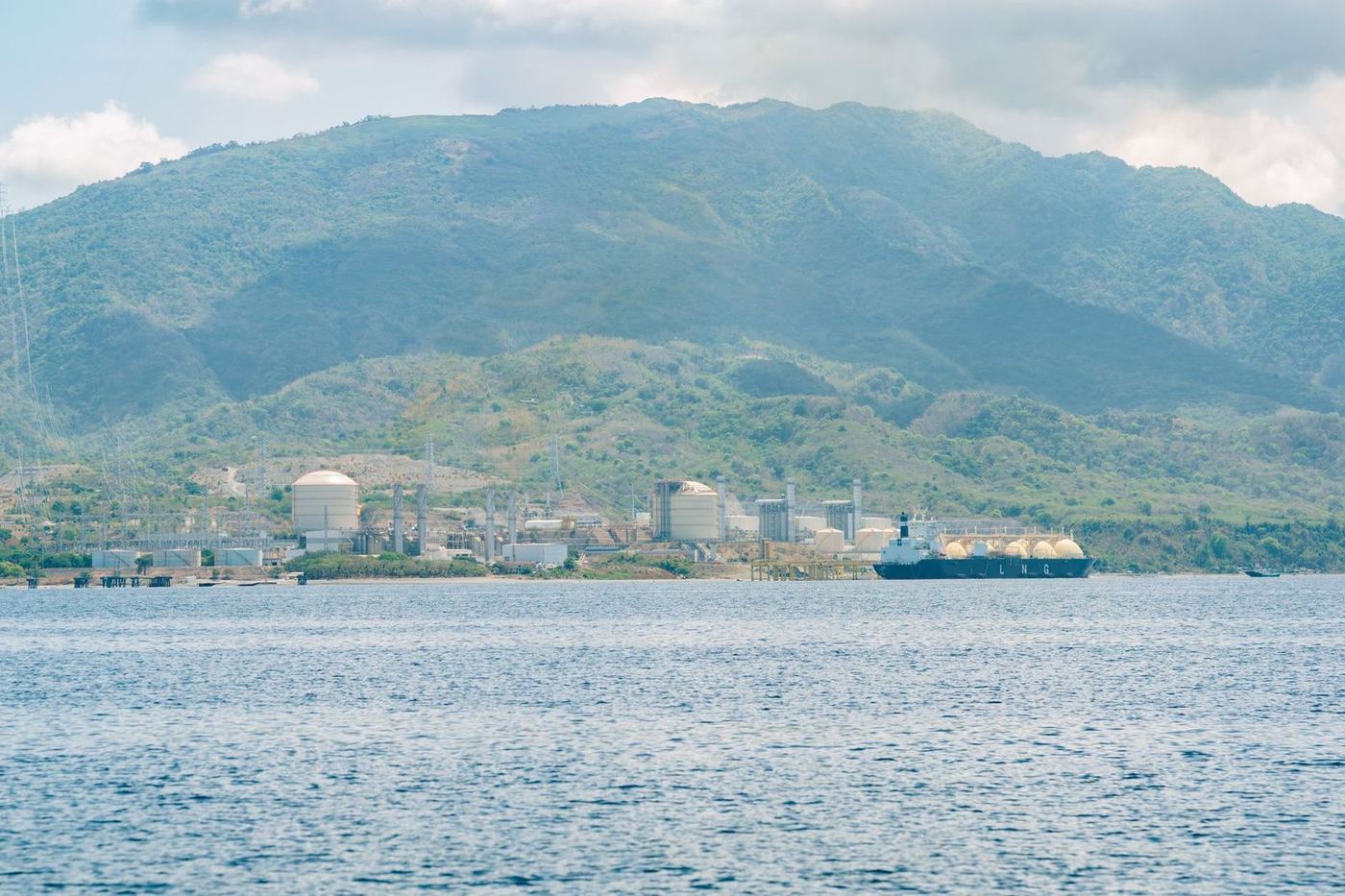
Hanwha Aerospace Establishes US LNG Arm
South Korean firm Hanwha Aerospace announced the establishment of Hanwha Horizon USA, a new entity in the United States. This unit will manage its liquefied natural gas (LNG) business, overseeing procurement, sales, trading, and logistics. Hanwha Shipping CEO James Sagar will lead Hanwha Horizon USA, aiming to strengthen the company’s global energy supply chain presence.
Hanwha Horizon USA will initially secure LNG for Hanwha Energy Co.’s power plant in Yeosu, South Korea, scheduled to commence operations in 2029. The US unit also plans to supply LNG to other power plant operators and energy companies, with intentions to expand LNG trading across Asia and other global markets.
Strategic Partnerships and Supply Chain Stability
Hanwha Aerospace stated this LNG initiative supports South Korea's energy security. It also strengthens energy cooperation between South Korea and the United States. James Sagar noted the new unit connects global LNG procurement capabilities with Hanwha's shipbuilding and maritime businesses.
The company seeks to build a stable LNG supply chain, responding flexibly to market changes. It also aims to grow a distinctive LNG value chain within the global energy market. Hanwha Aerospace has already signed a purchase agreement with Venture Global, a major US LNG producer.
It also holds a memorandum of understanding with state-run Korea Southern Power Co. to jointly strengthen LNG procurement and diversify LNG supply sources.
This strategic move diversifies South Korea's energy sourcing, reducing potential reliance on volatile spot markets. For Asian energy markets, Hanwha’s expanded trading presence could introduce new supply channels and alter regional price dynamics. Companies in the region should monitor these developing supply routes.
This could impact long-term supply contracts and national energy security strategies across Asia. The direct US-South Korea energy link also demonstrates a shift towards bilateral supply arrangements, rather than purely multilateral market engagement, offering a new model for energy procurement.
This article is journalism, not investment advice; consult a licensed professional before making financial decisions. Market data is indicative, may be delayed, and should be verified with your broker or exchange before use.
Comments.
Comments are moderated. We remove what is unlawful, abusive or off-topic, and and you remain responsible for what you post.
Reader comments open soon. Until then, corrections and responses go to our newsroom, and we publish what we get wrong on Corrections.