US Fed Rate Hike Shifts Singapore T-Bill Outlook
The Federal Reserve lifted its benchmark interest rate to 3.75–4 per cent on Wednesday, prompting varied forecasts for Singapore Treasury bills and broader asset classes.
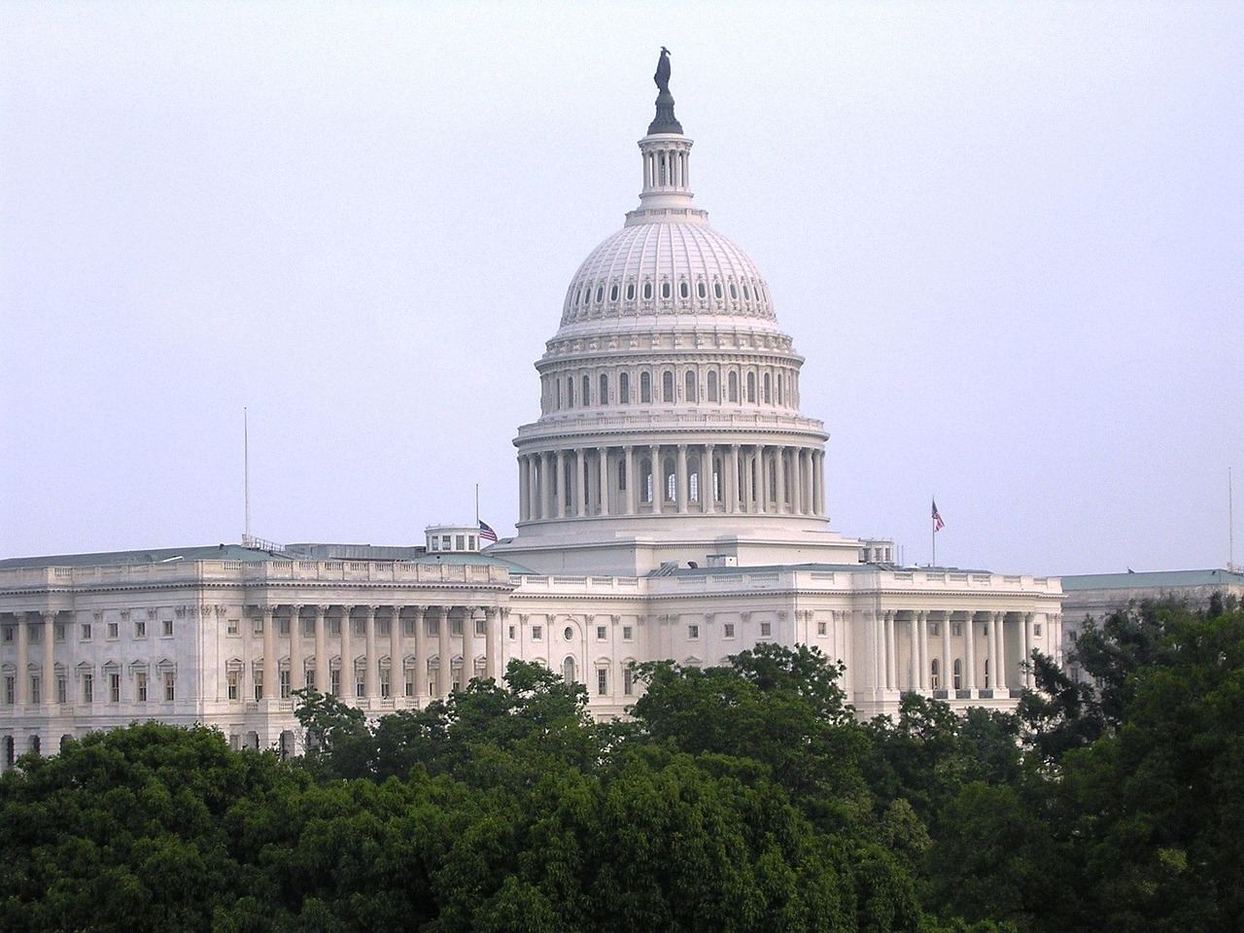
Federal Reserve Tightens Policy
The US Federal Reserve increased its benchmark interest rate by 0.25 percentage points to a range of 3.75–4 per cent on Wednesday, 16 September. This marks the first rate hike by the central bank since July 2023. The Fed also indicated the possibility of another rate increase before the end of the year.
Francis Tan, chief strategist for Asia at IndoSuez Wealth Management, characterised the move as an “insurance hike” rather than the beginning of an extended tightening cycle. This decision follows a period of persistent inflation.
Singapore T-Bill Prospects
The Fed's decision generated mixed opinions among analysts regarding its impact on Singapore Treasury bill (T-bill) yields and investor demand. Market data reported by The Business Times revealed that Singapore T-bill yields have remained below 2 per cent since July 2025, averaging around 1.5 per cent for a significant portion of 2026.
Historically, six-month T-bill yields reached a 30-year high of 4.4 per cent in December 2022 and generally stayed between 3.7–3.8 per cent throughout 2023. More recently, the cut-off yield for the August 29 six-month T-bill auction increased from 1.6 per cent to 1.7 per cent by 10 September.
Eugene Leow, head of fixed income research at DBS, anticipates T-bill yields could approach 2 per cent, though he believes they will not reach the levels observed in 2023.
Currency and Asset Implications
The Singdollar (SGD) could experience some weakening following the Fed's rate adjustment, according to IndoSuez Wealth Management's Tan. However, he added that the SGD typically demonstrates greater resilience compared to other Asian currencies.
This is because the Monetary Authority of Singapore (MAS) manages the SGD against a trade-weighted basket, rather than targeting interest rates directly. Frances Cheung, head of FX and rates strategy at OCBC, noted that the Daily Singapore Overnight Rate Average (SORA) largely depends on domestic liquidity conditions.
She forecasts SORA to edge higher towards 1.4 per cent by the close of 2026. Tan also suggested that assets linked to higher short-term rates, cash yields, or floating coupons are likely to benefit, while long-duration assets reliant on cheap funding may face pressure.
Investor Focus Points
Investors should closely monitor Singapore Treasury bill yields, particularly if they approach the 2 per cent level, as this could signal renewed investor interest, according to DBS's Eugene Leow. Furthermore, OCBC's Frances Cheung projects the Daily Singapore Overnight Rate Average (SORA) to reach 1.4 per cent by year-end 2026.
IndoSuez Wealth Management's Francis Tan advises considering a reallocation of capital towards short-duration instruments, money market funds, and inflation-linked assets, such as energy equities. Conversely, sectors like housing and interest-sensitive consumer goods may face continued pressure due to rising borrowing costs.
This article is journalism, not investment advice; consult a licensed professional before making financial decisions. Market data is indicative, may be delayed, and should be verified with your broker or exchange before use.
Comments.
Comments are moderated. We remove what is unlawful, abusive or off-topic, and and you remain responsible for what you post.
Reader comments open soon. Until then, corrections and responses go to our newsroom, and we publish what we get wrong on Corrections.