China Drives Billions into Indonesian Petrochemicals Amid Domestic Green Push
Chinese firms are investing billions in Indonesia's petrochemical sector. This expansion occurs as Beijing tightens environmental standards at home, raising questions about Indonesia's emissions and long-term economic strategy.
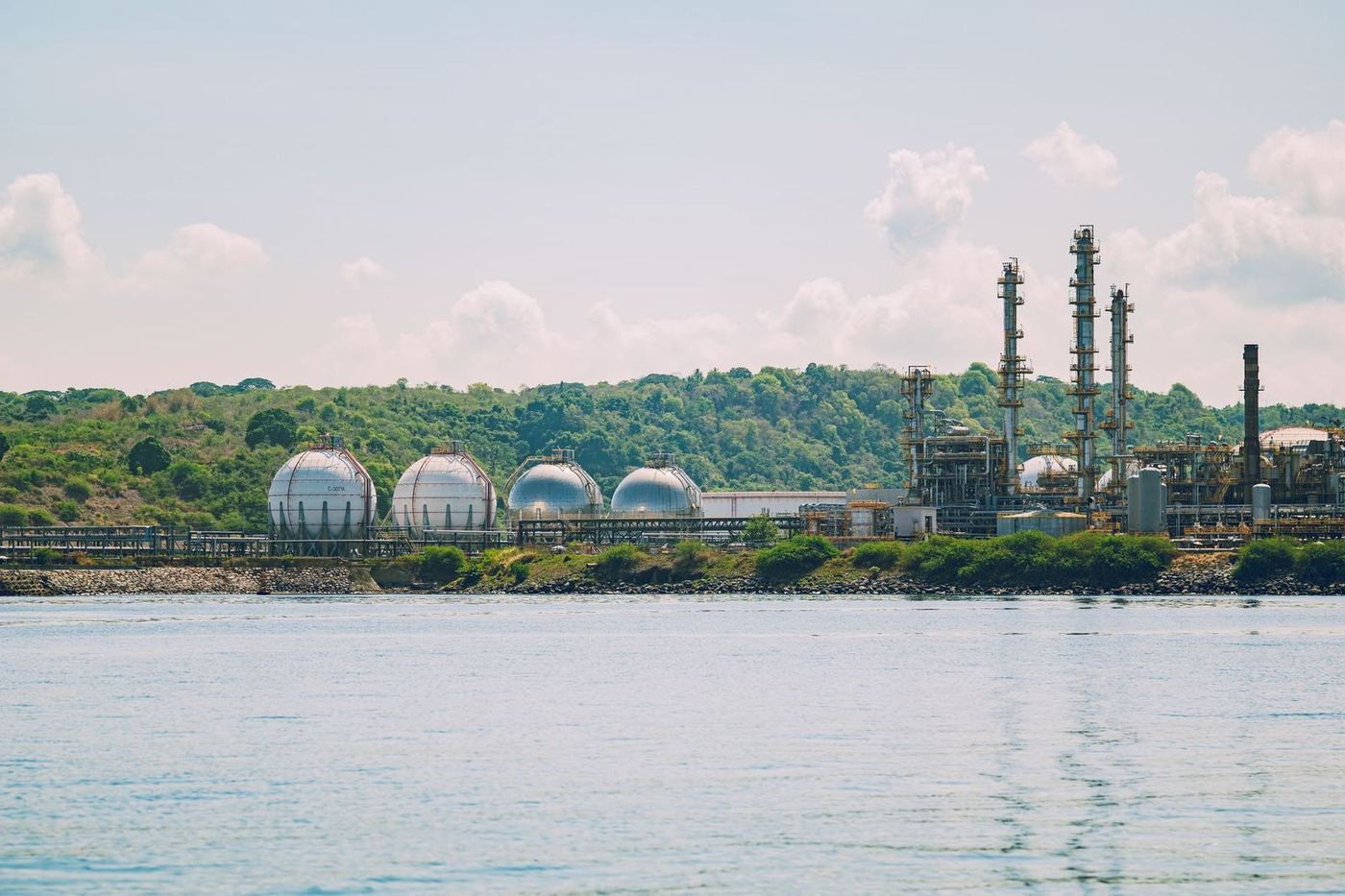
Investment Inflow and Policy Shifts
Chinese companies are directing billions into Indonesia's petrochemical sector. This expansion coincides with Beijing's three-year campaign, launched June 2026, to improve energy efficiency and reduce emissions across nine heavy industries.
China's initiative requires inefficient facilities to upgrade or close, supporting its goals of carbon peaking before 2030 and carbon neutrality by 2060. Petrochemicals form a growing part of Indonesia's economic ties with China, alongside nickel processing, electric vehicles, and Belt and Road Initiative infrastructure projects. PT Taikun Petro Chemical, a Chinese consortium, plans a US$6 billion integrated complex in North Kalimantan.
Economic Drivers and Capital Flows
This North Kalimantan project will add millions of tonnes of new capacity for basic chemicals like ethylene and propylene. Economic logic drives Chinese interest, according to Mohammad Faisal, executive director at the Centre of Reform on Economics. Indonesia's domestic demand for petrochemical products exceeds its current production capacity.
The country also presents a competitive production base with lower manufacturing costs for export markets. Suzie Sudarman, an international relations lecturer at the University of Indonesia, noted Southeast Asia's increased attractiveness for investment as Western markets impose tariffs.
Indonesia's Ministry of Investment and Downstream Industry reported Chinese investment at US$2.2 billion in Q1 2026. Total investment reached US$34.4 billion between 2021 and 2025.
Environmental and Strategic Concerns
However, these investments raise environmental and strategic concerns for Indonesia. Petrochemical production relies heavily on fossil fuels for feedstock and energy, increasing global emissions. Large-scale projects could complicate Indonesia's climate goals, particularly as much energy comes from coal-fired power plants.
Bhima Yudhistira, executive director at the Centre of Economic and Law Studies, stated short-term employment benefits may be temporary if global demand shifts to lower-carbon alternatives. Indonesia's economy risks remaining reliant on fossil feedstock imports, potentially worsening the oil and gas trade deficit and weakening the rupiah.
For Asian businesses, this trend highlights a divergence in environmental standards and investment flows. Companies operating in Indonesia's petrochemical sector will face scrutiny over emissions and energy sources. The long-term viability of these investments depends on global demand for conventional petrochemicals.
Indonesia must balance investment needs with strategic national interests to avoid long-term economic vulnerabilities. Investors should monitor Indonesia's regulatory enforcement and its commitment to decarbonisation targets.
This article is journalism, not investment advice; consult a licensed professional before making financial decisions. Market data is indicative, may be delayed, and should be verified with your broker or exchange before use.
Comments.
Comments are moderated. We remove what is unlawful, abusive or off-topic, and and you remain responsible for what you post.
Reader comments open soon. Until then, corrections and responses go to our newsroom, and we publish what we get wrong on Corrections.