China Offshore Wealth Tax to Target HK Property, Threatening Mainland Demand
Beijing's expanded offshore wealth tax, currently targeting insurance gains, could soon encompass Hong Kong property income. This shift may reduce mainland Chinese investment demand for Hong Kong real estate and pressure decentralised office markets.
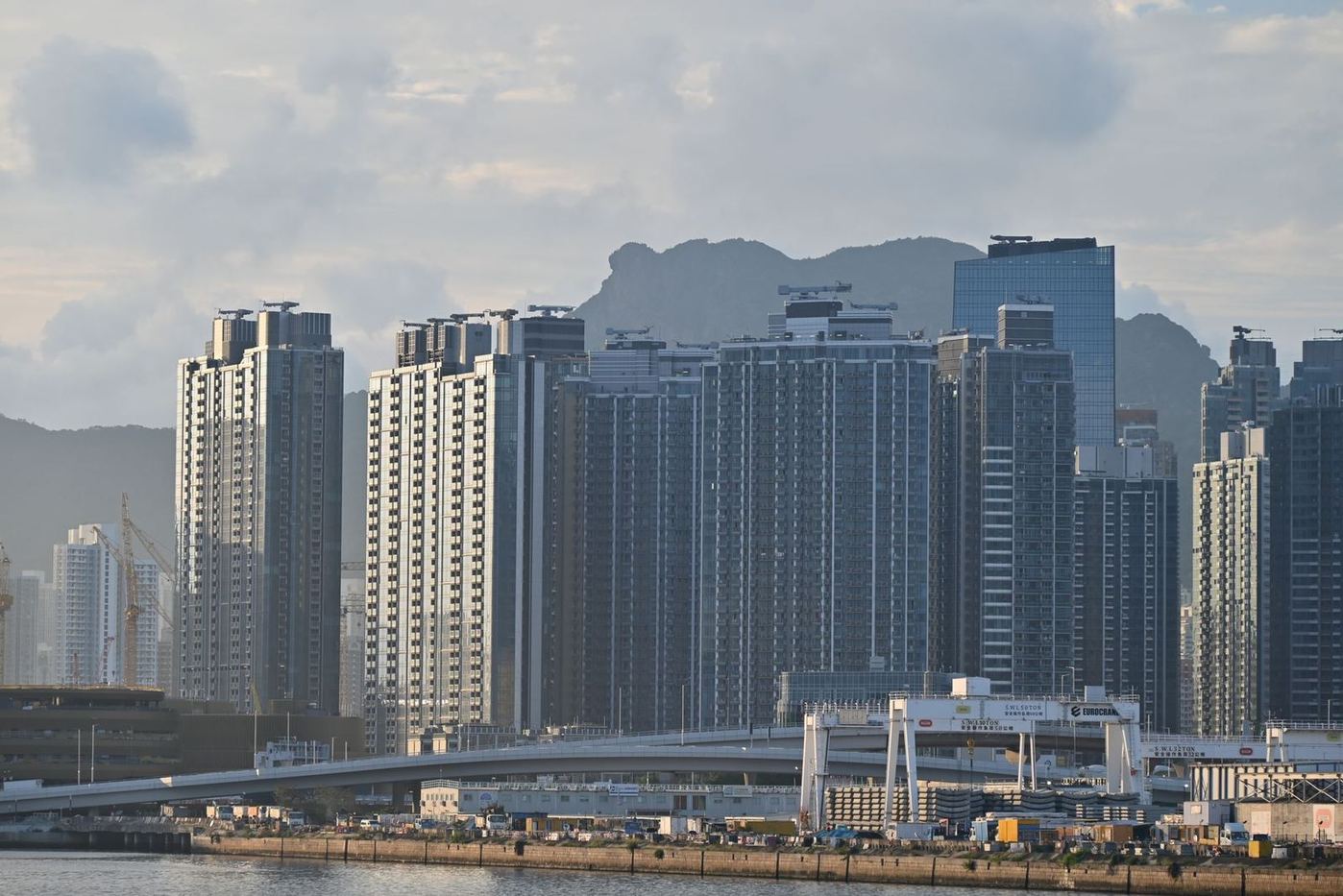
Tax Expansion Threatens HK Property
Beijing's broadened offshore wealth tax could challenge Hong Kong's property market recovery. Analysts suggest the expanded levy, if applied to property income, would curb demand from mainland Chinese investors. This development also threatens Hong Kong's decentralised office districts.
The immediate concern stems from a 20 per cent personal income tax on specific offshore asset returns. This tax currently applies to gains from Hong Kong insurance policies for mainland residents.
Property Income Under Scrutiny
While the 20 per cent levy does not yet cover Hong Kong property, its introduction raises concerns. Analysts fear similar scrutiny could extend to offshore rental income and capital gains. Such a move would directly affect mainland buyers' investment returns. The broader impact also includes a potential slowdown in Hong Kong's insurance business. This slowdown would likely reduce office demand, particularly in areas with high insurer concentrations.
Yields and Office Footprint
Financial services firm UBS estimates a 20 per cent tax on Hong Kong residential investment income. This would reduce net rental yields from approximately 2.2 per cent to 1.8 per cent. These revised yields would align with those in mainland tier-one cities.
Real estate firm CBRE reported that insurance companies occupied about 6 per cent of Hong Kong's Grade A office stock as of October 2025. Their presence is significant in decentralised business districts: Kowloon East accounts for 28 per cent, Island East 23 per cent, Tsim Sha Tsui 17 per cent, and Wan Chai 14 per cent. Central and Admiralty/Sheung Wan hold only 4 per cent and 2 per cent respectively.
Hong Kong property investors should monitor Beijing's tax policy closely. Any extension to property income would directly impact investment returns and market liquidity. Developers and landlords in decentralised office areas face reduced demand if insurance sector activity declines.
This situation highlights Hong Kong's real estate sector sensitivity to mainland regulatory shifts. Regional players may need to recalibrate investment strategies.
This article is journalism, not investment advice; consult a licensed professional before making financial decisions. Market data is indicative, may be delayed, and should be verified with your broker or exchange before use.
Comments.
Comments are moderated. We remove what is unlawful, abusive or off-topic, and and you remain responsible for what you post.
Reader comments open soon. Until then, corrections and responses go to our newsroom, and we publish what we get wrong on Corrections.