CASA-1000 Energy Project Fails Before Operation, US$466 Million Spent
Central Asia's CASA-1000 power transmission project has effectively failed, despite over US$466 million invested by Kyrgyzstan and Tajikistan. Conceived to export surplus hydropower, the region now faces energy deficits, invalidating the project's core economic premise.
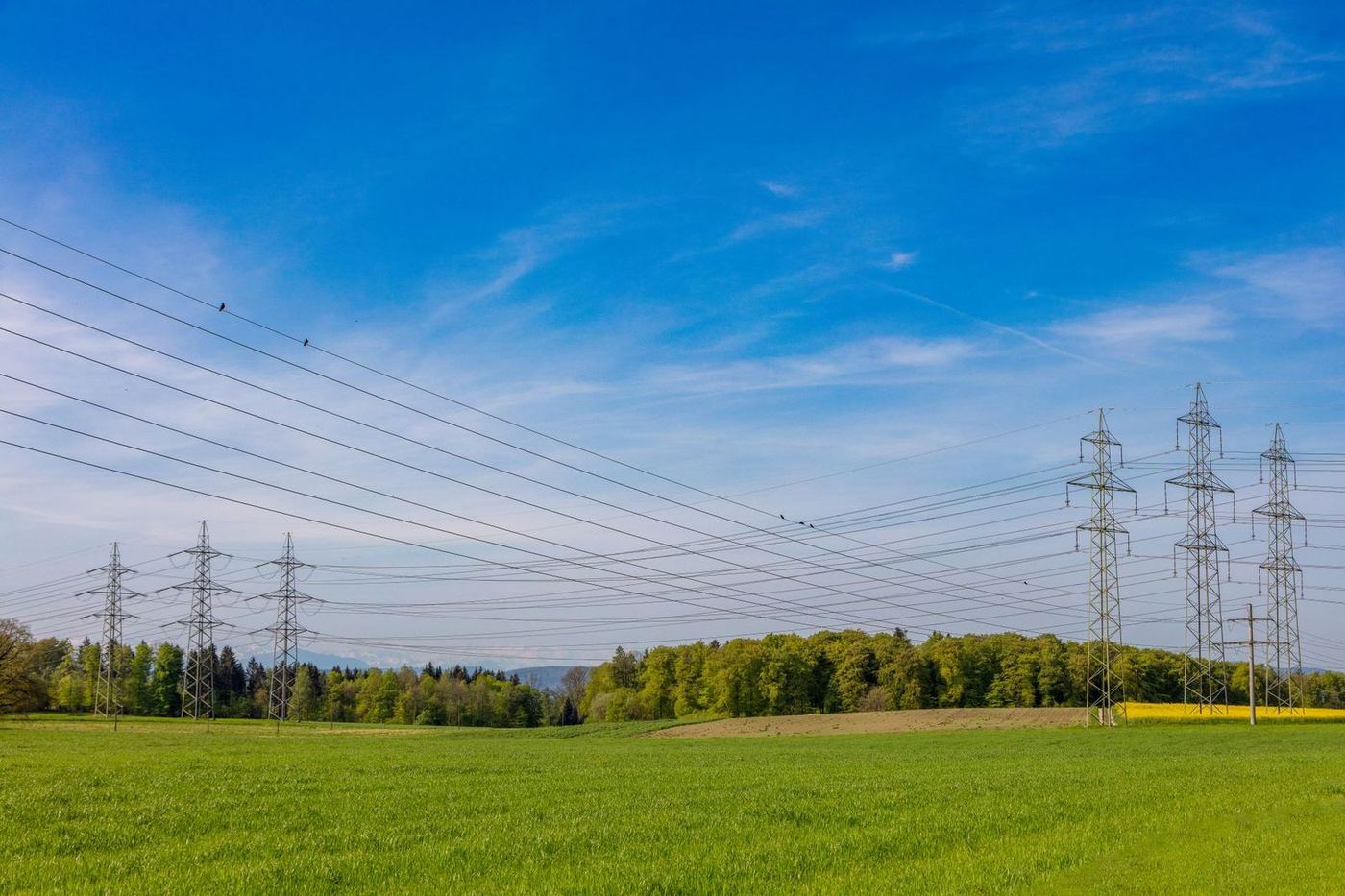
Multi-Million Dollar Failure
The Central Asia-South Asia Electricity Transmission and Trade Project (CASA-1000) has effectively failed. This occurred before it transferred a single watt of energy, despite hundreds of millions of dollars invested by developing countries.
Kyrgyzstan committed US$216 million to the programme, largely through concessional loans from the European Investment Bank, Islamic Development Bank (IDB), and World Bank. Tajikistan's costs surpassed US$250 million, bringing the total reported investment to over US$466 million. Both nations will service these loans for many years.
Demand Outstrips Supply
CASA-1000 was introduced in 2006 to transmit surplus hydropower from Kyrgyzstan and Tajikistan to Afghanistan and Pakistan. Construction began a decade later, with operations initially slated for 2020, now expected no earlier than 2027. However, the underlying economic assumption has collapsed.
Central Asia's rapid economic expansion over the last two decades absorbed all prior electricity surpluses. The region now faces an annual energy deficit of 10–15 billion kilowatt-hours (kWh). Electricity demand expects a further 40 per cent rise by 2030.
Unviable Solutions and Accountability
Central Asian governments are already moving to address domestic shortages. Kazakhstan and Uzbekistan are building their first commercial nuclear power stations. Kyrgyzstan has also incorporated nuclear generation into its medium-term energy strategy.
Former Kyrgyzstan Prime Minister Djoomart Otorbaev notes that importing electricity from Pakistan, as Kyrgyzstan recently proposed, is not a solution. Pakistan's thermal generation costs 8–10 US cents per kWh, making imports economically unworkable for Central Asia without massive subsidies.
Otorbaev calls for international financial institutions, which conceived and financed CASA-1000, to publish full project evaluations.
Lessons for Infrastructure Investment
This outcome demonstrates the critical importance of dynamic demand forecasting in long-term infrastructure projects. Initial economic assumptions, particularly in rapidly developing economies, can quickly become outdated.
For Asian businesses and investors considering similar cross-border energy or infrastructure ventures, this highlights the need for rigorous, ongoing economic assessments. Relying on static demand projections or allowing geopolitical objectives to overshadow economic realities can lead to significant capital misallocation and long-term debt burdens for participating nations.
This article is journalism, not investment advice; consult a licensed professional before making financial decisions. Market data is indicative, may be delayed, and should be verified with your broker or exchange before use.
Comments.
Comments are moderated. We remove what is unlawful, abusive or off-topic, and and you remain responsible for what you post.
Reader comments open soon. Until then, corrections and responses go to our newsroom, and we publish what we get wrong on Corrections.