BoT: ASEAN green shift needs viable projects, not just cash
Capital for Southeast Asia's green shift is available, but investment flows depend on clear regulations, bankable schemes and shared costs, a Bangkok dialogue heard.
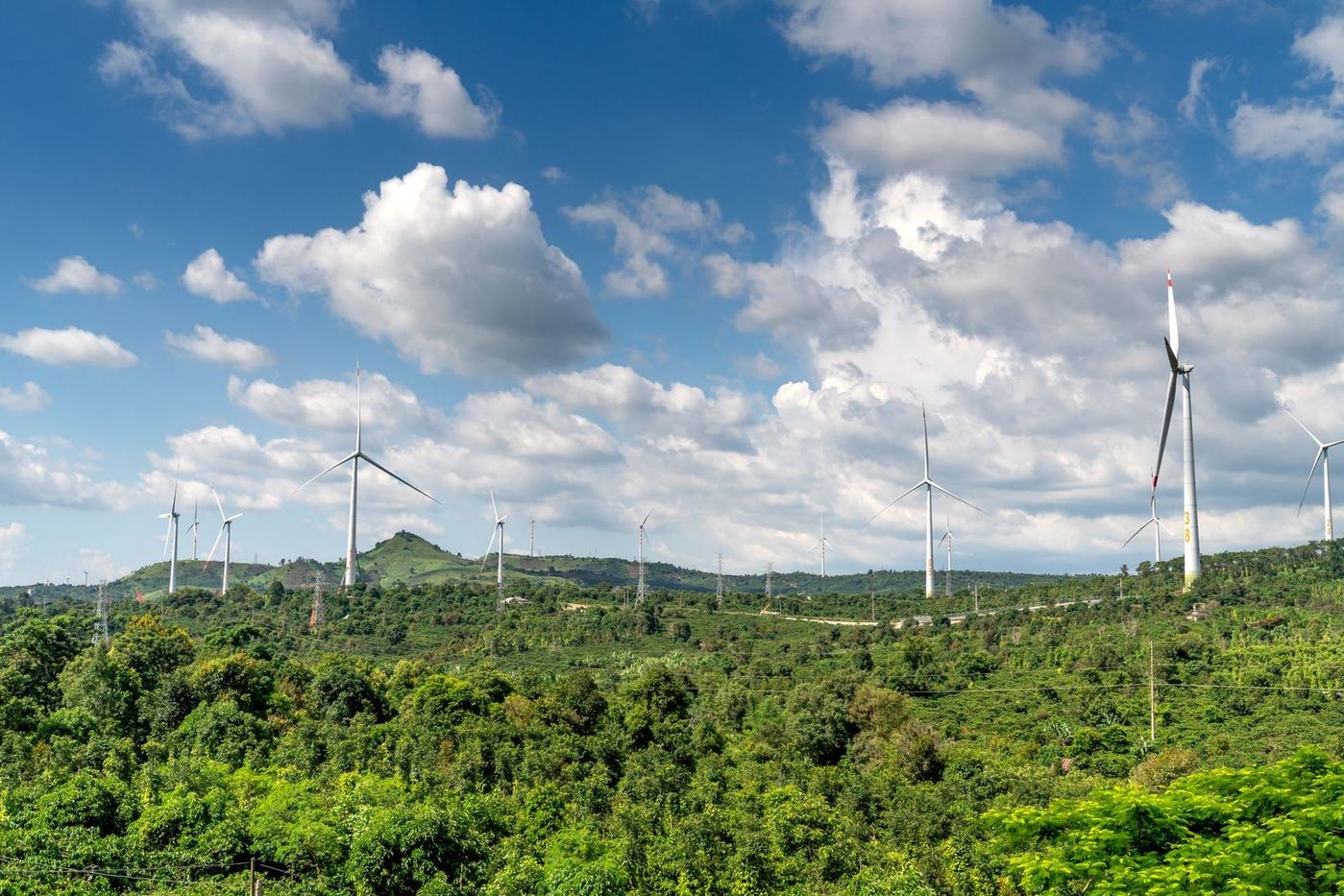
ASEAN Capital Focus Shifts to Project Viability
Southeast Asia's energy transition no longer faces capital scarcity, but rather a challenge in directing funds to viable projects. This was a key theme at the Sustainability Impact Dialogue in Bangkok this week, co-organised by The Business Times and UOB Thailand.
Bank of Thailand (BOT) Assistant Governor Chayawadee Chai-anant stated the task for financial institutions and policymakers is to ensure capital supports credible solutions, boosting resilience and competitiveness. The event, held on Wednesday, gathered approximately 80 government and business leaders.
Investment Drivers and Key Sectors
Global investors seek commercial viability, not just high emissions or social need. Project bankability, infrastructure readiness, clear regulations, standardised sustainability taxonomies, and risk-sharing mechanisms are crucial for attracting investment.
Dr Amy Khor, Singapore's former Senior Minister of State for Sustainability and the Environment and Transport, highlighted three areas for capital: renewable energy and grids, low-carbon transport, and energy-efficient industrial infrastructure. She noted growing regional power connectivity, including Singapore and Thailand's efforts on the ASEAN Power Grid.
Business Weighs Costs and Returns
Companies link investment decisions to measurable risks and returns. Chompan Kulnides, Chief Sustainability Officer for Thailand-listed Minor International, observed that capital increasingly favours projects with both sustainability benefits and commercial value.
For hospitality, this includes energy efficiency to cut operating costs and climate resilience investments, such as protecting properties from flooding in Thailand. Siam Cement Group (SCG) President and CEO Thammasak Sethaudom cited SCG's long-term investment in low-carbon cement, even before supportive regulations were fully in place, to maintain competitiveness.
Cost-Sharing Remains a Key Hurdle
Despite the clear need, the question of who bears the initial higher costs of green technologies and lower-carbon production remains unresolved. This burden could fall on producers, consumers, lenders, or governments. SCG's Thammasak suggested spreading investment over four to ten years to mitigate upfront costs.
For Asian economies, advancing the energy transition requires clearer policy frameworks and innovative risk-sharing mechanisms that provide long-term certainty for investors, unlocking more capital for critical infrastructure and industrial upgrades.
This article is journalism, not investment advice; consult a licensed professional before making financial decisions. Market data is indicative, may be delayed, and should be verified with your broker or exchange before use.
Comments.
Comments are moderated. We remove what is unlawful, abusive or off-topic, and and you remain responsible for what you post.
Reader comments open soon. Until then, corrections and responses go to our newsroom, and we publish what we get wrong on Corrections.