US Dollar Gains on Gulf Tensions; Yen Weakens Ahead of BoJ Hike
The US dollar strengthened on Wednesday as Gulf tensions raised oil prices, increasing safe-haven demand. Markets await US inflation data for Federal Reserve policy clues. The yen softened despite intervention, with a Bank of Japan rate hike expected next month.
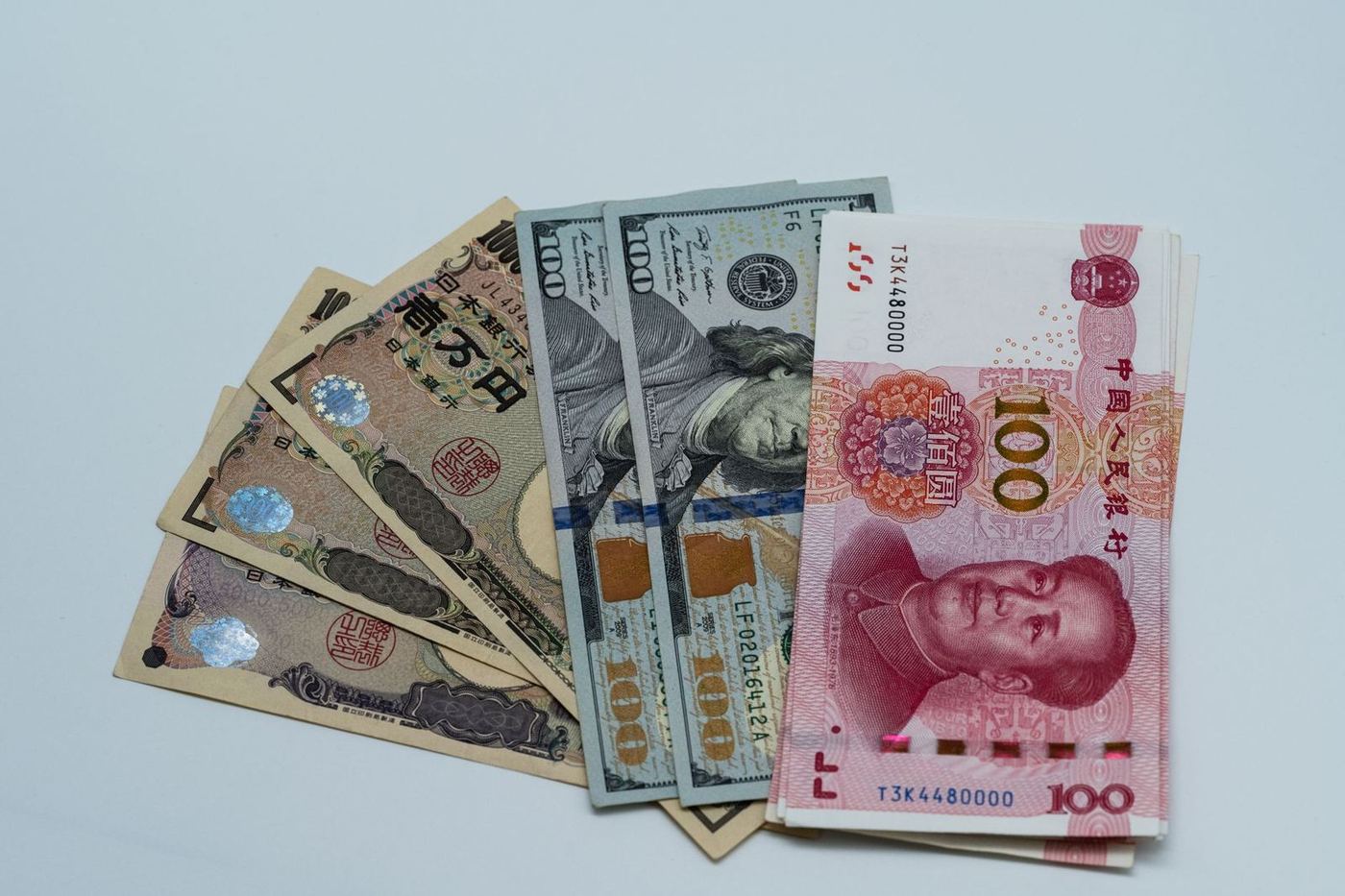
Dollar Rises Amid Gulf Instability
The US dollar showed strength on Wednesday, driven by renewed tensions in the Gulf region. Oil prices edged higher after the United States and Yemen’s Iran-aligned Houthis reported separate attacks on shipping on Tuesday. Tehran stated the Strait of Hormuz would remain closed unless Washington accepted its conditions.
Investors typically buy the safe-haven dollar when economic concerns from energy shocks intensify. The US dollar index, measuring its strength against six major currencies, climbed 0.05 per cent to 99.85.
US Inflation Data and Fed Outlook
Markets are closely watching upcoming US inflation data for indications on the Federal Reserve's (Fed) policy path. Economists anticipate the data, due later on Wednesday, will show inflation picked up last month after easing in June. Fed Bank of Chicago President Austan Goolsbee stated on Tuesday he was more concerned about elevated inflation than labour market weakness.
Chris Turner, global head of markets at ING, noted that a soft inflation number could reduce the market’s 50 per cent probability of a September Fed rate hike.
Yen Softens Despite Intervention
The Japanese yen weakened 0.05 per cent against the dollar, trading at 159.38 yen. This marks its softest level this month, despite recent joint intervention by US and Japanese authorities to bolster the currency. Higher Japanese government bond yields show increasing expectations for a Bank of Japan (BoJ) rate hike next month.
Lee Hardman, senior currency economist at MUFG, observed that a recent CFTC report showed intervention triggered a sharp squeeze of speculative short yen positions. However, speculators may rebuild these positions if fundamentals remain unchanged, supporting carry trades.
The stronger US dollar raises import costs for many Asian economies, impacting their trade balances and consumer prices. Conversely, a weaker yen could benefit Japanese exporters but might deter foreign investment into yen-denominated assets.
Asian investors and businesses will monitor US inflation data for clues on the Fed’s future rate decisions, which influence global capital flows. The anticipated BoJ rate hike next month will also be a key event, potentially altering the yen’s trajectory and affecting regional currency dynamics.
This article is journalism, not investment advice; consult a licensed professional before making financial decisions. Market data is indicative, may be delayed, and should be verified with your broker or exchange before use.
Comments.
Comments are moderated. We remove what is unlawful, abusive or off-topic, and and you remain responsible for what you post.
Reader comments open soon. Until then, corrections and responses go to our newsroom, and we publish what we get wrong on Corrections.