Thailand's SET Revises Short-Selling, HFT Rules Effective November 16
The Stock Exchange of Thailand will also adjust price increments for certain stocks and extend trading hours for foreign-linked derivatives, aiming for greater market stability.
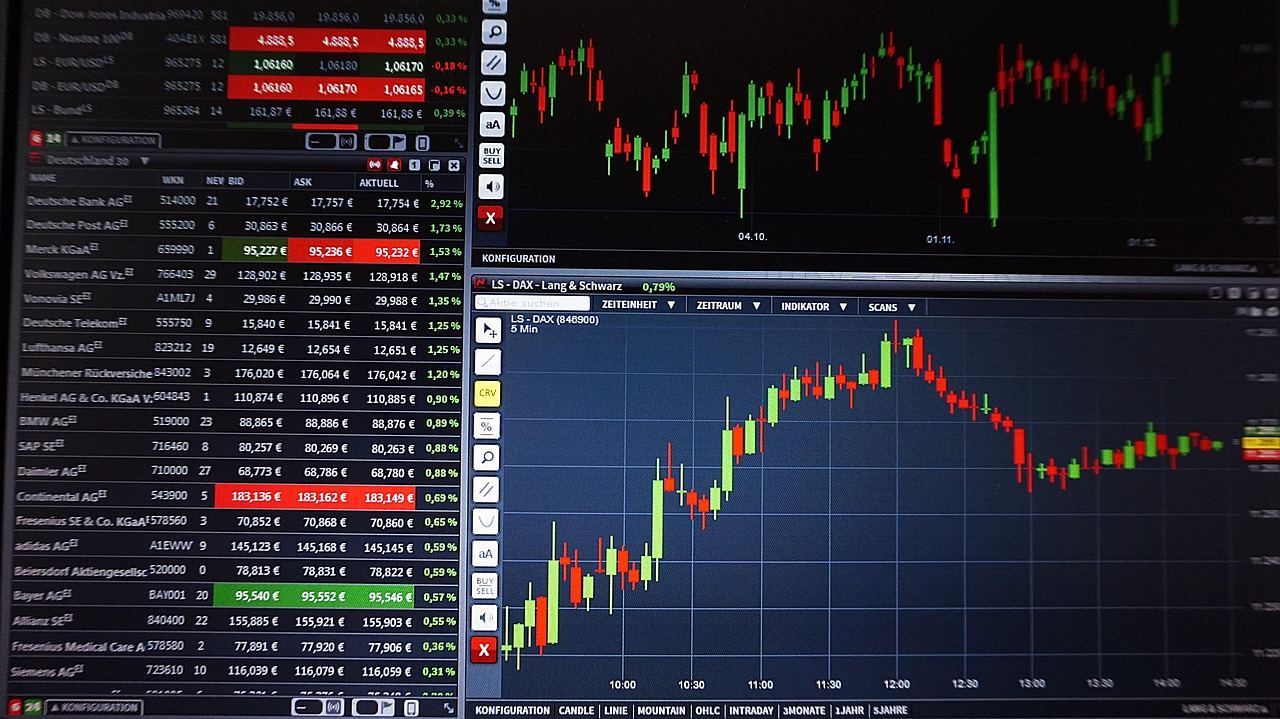
SET Adjusts Trading Framework
The Stock Exchange of Thailand (SET) will introduce updated trading regulations starting November 16. These revisions include modifications to short-selling and high-frequency trading (HFT) practices, as stated in an official filing by the exchange.
The SET's objective is to enhance overall market stability, improve liquidity, and strengthen investor confidence in the Thai bourse. The measures received approval from Thailand’s Securities and Exchange Commission following a public consultation process, the SET confirmed.
Short-Selling and Price Increment Changes
Under the new framework, the SET will restrict short-selling to more liquid securities, specifically including SET100 shares, underlying securities of single-stock futures, depositary receipts, and exchange-traded funds. Investors will also be permitted to short-sell a security only at a price equal to or exceeding its last traded value.
Additionally, stocks priced between 5 baht and 50 baht will now trade with smaller price increments. This adjustment aims to narrow bid-ask spreads and consequently reduce trading costs for participants.
High-Frequency Trading and Extended Hours
The SET is also implementing new rules affecting high-frequency trading. The exchange will levy additional fees on trading accounts that submit a high volume of orders but execute a comparatively small number of trades.
Furthermore, the SET plans to eliminate dynamic price bands for individual securities, which currently limit price movements within specific periods, to reduce trading barriers. Restrictions on what HFT participants can buy and sell will also be eased, and minimum resting-time requirements will be removed to boost order-management efficiency.
Impact on Derivatives Trading
Another significant change, also effective November 16, involves the extension of morning trading hours for derivative warrants and exchange-traded funds linked to foreign securities. Trading for these instruments will commence at 8am, two hours earlier than the current start time, according to a separate SET filing. Closing times for these products will remain unchanged.
These adjustments are expected to provide market participants with greater flexibility and potentially increase trading volumes in these specific derivative products.
This article is journalism, not investment advice; consult a licensed professional before making financial decisions. Market data is indicative, may be delayed, and should be verified with your broker or exchange before use.
Comments.
Comments are moderated. We remove what is unlawful, abusive or off-topic, and and you remain responsible for what you post.
Reader comments open soon. Until then, corrections and responses go to our newsroom, and we publish what we get wrong on Corrections.