Thai rice exports miss 2026 target despite Asian demand surge
Thailand's Department of Foreign Trade forecasts 6.5 million tonnes of rice exports for 2026, below its 7 million tonne goal, with Middle East conflict and US tariffs impacting sales.
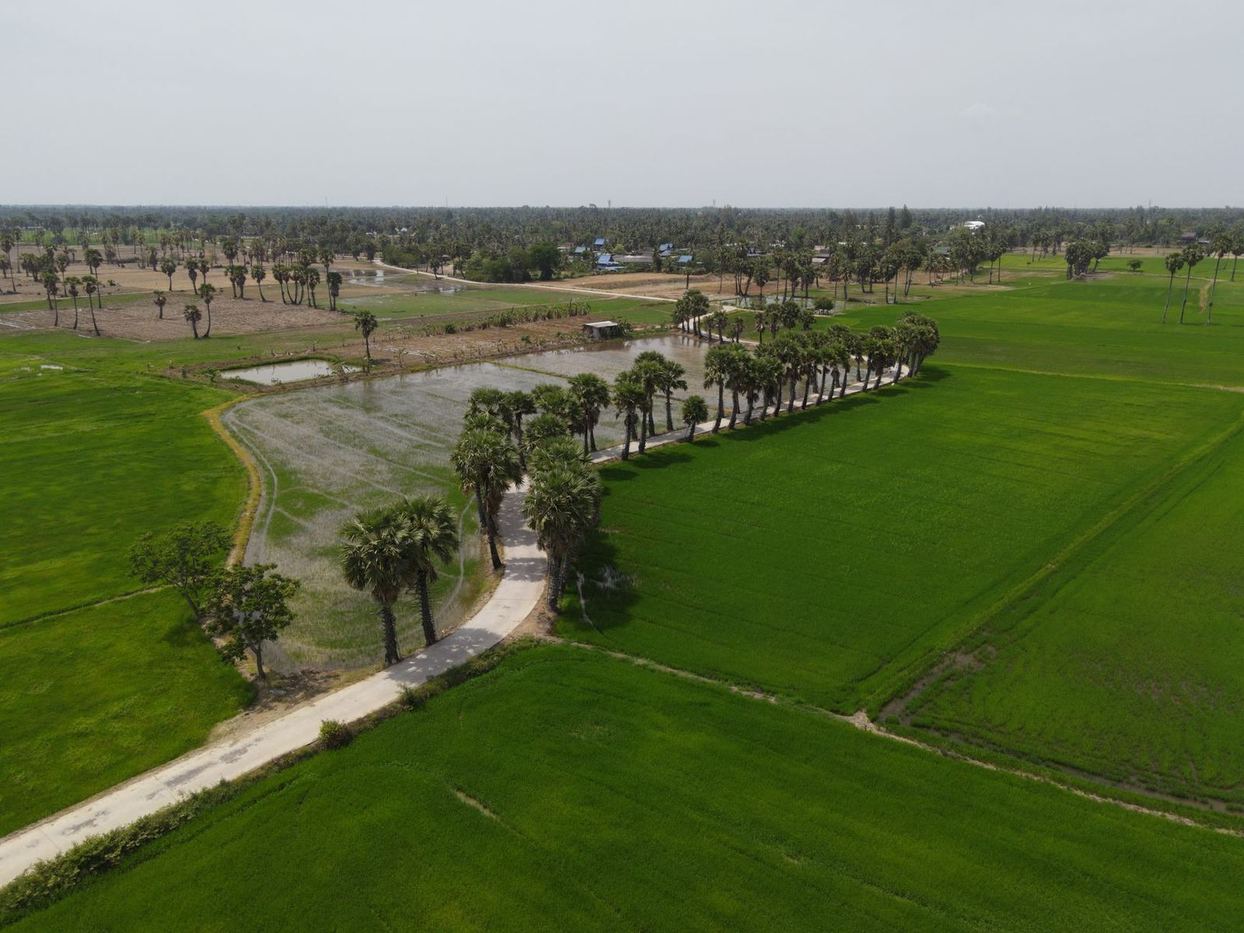
Thailand's 2026 Rice Export Shortfall
Thailand's rice exports are projected to fall short of the 7 million tonne target for 2026, with the Department of Foreign Trade (DFT) now forecasting total shipments of only 6.5 million tonnes. From January to September 2026, the country exported 4.99 million tonnes of rice, generating US$2.96 billion (94.9 billion baht).
This performance indicates a significant gap from initial expectations, despite pockets of strong demand in certain markets.
Asia-Pacific Demand Surges
While overall exports lag, shipments to Asian markets have expanded significantly. In the first nine months of 2026, Thailand exported 1.71 million tonnes to Asian nations, a 13.3% year-on-year increase. Malaysia recorded its highest volume of Thai rice imports in two decades.
The Philippines boosted its imports by 263% year-on-year, driven by food security concerns linked to El Niño. Other notable growth markets included Hong Kong, up 63%, and Mozambique, which saw a 2% rise. This Asian demand nearly matched the 1.73 million tonnes shipped to Africa, indicating a more balanced market distribution.
Geopolitical and Price Pressures
Several factors are impeding Thailand's export performance. Shipments to Iraq, a market that absorbed over 1 million tonnes in 2025, were affected by the Middle East conflict and partial closure of the Strait of Hormuz. Indonesia halted Thai rice imports this year, prioritising domestic production.
In the United States, tariffs impacted Thai hom mali rice, while high inflation dampened overall demand. Pricing also presents a challenge: Thai white rice 5% trades around $480 per tonne, making it more expensive than Vietnamese rice at $420 and Indian rice at $388.
Promoting Thai Rice in Key Markets
The Department of Foreign Trade plans to accelerate rice exports through targeted initiatives. These include organising trade missions and meetings with importers in key markets such as Hong Kong, Japan, the Philippines, and across Africa. The agency will also host international rice conferences and participate in trade exhibitions.
These efforts aim to strengthen business ties, promote the quality of Thai rice, and secure new orders, potentially shifting trade flows and pricing dynamics in Asian food commodity markets in the coming quarters.
This article is journalism, not investment advice; consult a licensed professional before making financial decisions. Market data is indicative, may be delayed, and should be verified with your broker or exchange before use.
Comments.
Comments are moderated. We remove what is unlawful, abusive or off-topic, and and you remain responsible for what you post.
Reader comments open soon. Until then, corrections and responses go to our newsroom, and we publish what we get wrong on Corrections.