Tesla China Cuts Model 3, Model Y Prices Amid Weak Demand
Tesla China has introduced discounts on its Shanghai-built Model 3 and Model Y vehicles. This marks the first such price adjustment since late 2024, following declining deliveries in the world's largest electric vehicle market.
Direct Price Reductions Implemented
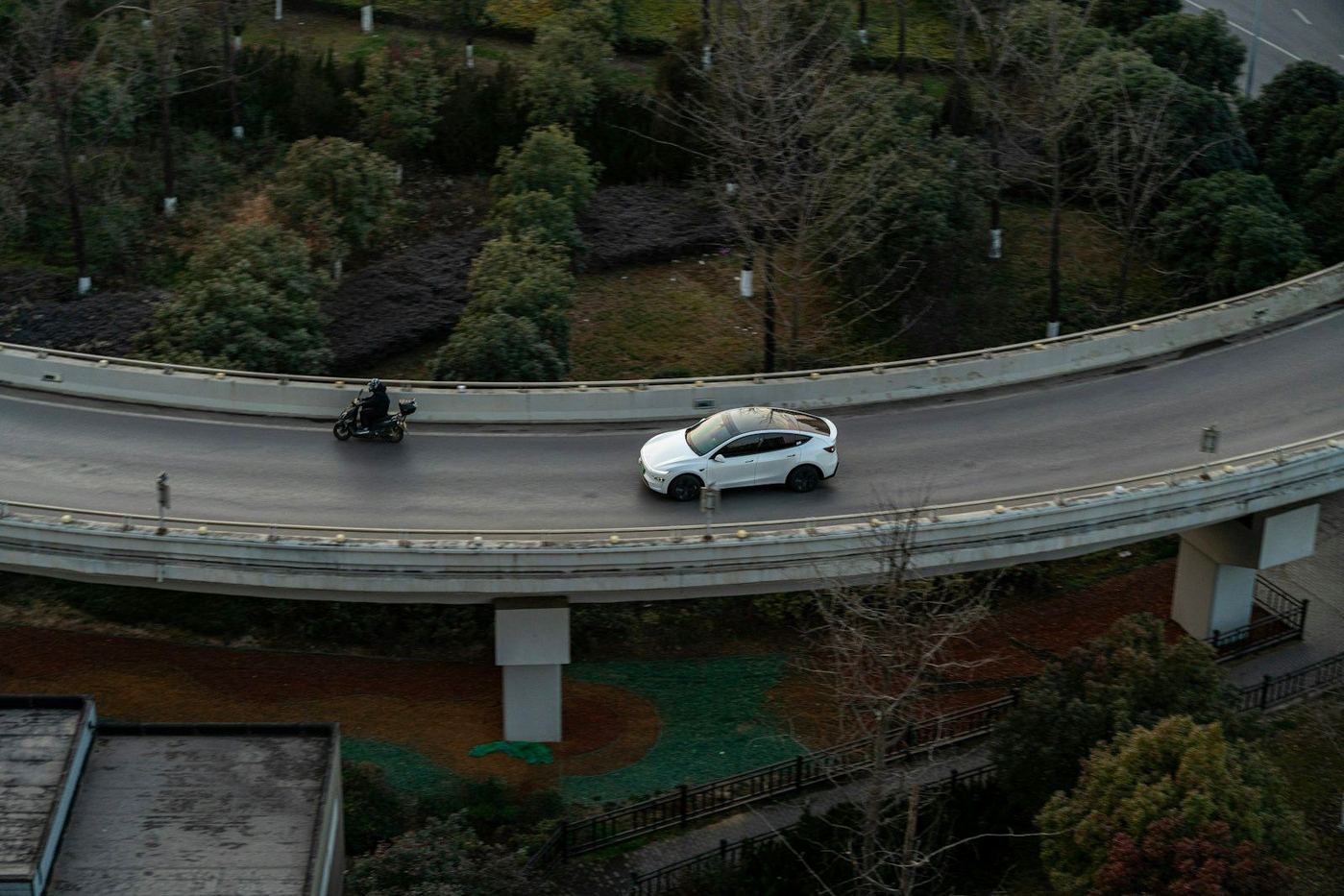
Tesla China has initiated price reductions for its Shanghai-manufactured Model 3 and Model Y vehicles. This marks the company's first direct pricing adjustment since late 2024. The move responds to falling deliveries within China, the world’s largest electric vehicle (EV) market. Buyers of Model 3 vehicles from inventory will receive a 5,000 yuan (US$745) reduction per unit.
Model Y purchasers can obtain a 10,000 yuan discount. Tesla China stated these promotions will run until the end of September.
Discount Scale and Previous Sales Tactics
The 5,000 yuan price reduction translates to a 2.1 per cent discount on the basic Model 3, which retails for 235,500 yuan. An entry-level Model Y, typically priced at 263,500 yuan, sees a 3.8 per cent price drop with the 10,000 yuan discount. Before these direct cuts, Tesla had used indirect methods to stimulate sales in China. These included subsidies for car insurance purchases or offering interest-free loans.
Market Competition Intensifies
Eric Han, a senior manager at Shanghai consultancy Suolei, stated these current discounts will likely trigger a fresh round of price competition. This follows a period of weak consumer demand in the Chinese market. Analysts have previously noted intensifying EV price battles. Tesla's decision demonstrates its response to sliding production output and softening demand in China.
For Asian electric vehicle manufacturers and their regional suppliers, Tesla China's aggressive pricing reveals a tightening market. Competitors across China and Southeast Asia, including domestic brands, may now face pressure to adjust their own pricing strategies. This could affect profit margins and investment decisions throughout the regional EV supply chain. It also drives a renewed focus on cost efficiencies for all players.
This article is journalism, not investment advice; consult a licensed professional before making financial decisions. Market data is indicative, may be delayed, and should be verified with your broker or exchange before use.
Comments.
Comments are moderated. We remove what is unlawful, abusive or off-topic, and and you remain responsible for what you post.
Reader comments open soon. Until then, corrections and responses go to our newsroom, and we publish what we get wrong on Corrections.