Seoul Kospi Jumps on Nvidia Earnings, Easing Chip Demand Fears
South Korea's Kospi index climbed sharply after Nvidia's strong second-quarter earnings calmed investor worries about semiconductor demand. The Bank of Korea's upcoming rate decision also drew attention.
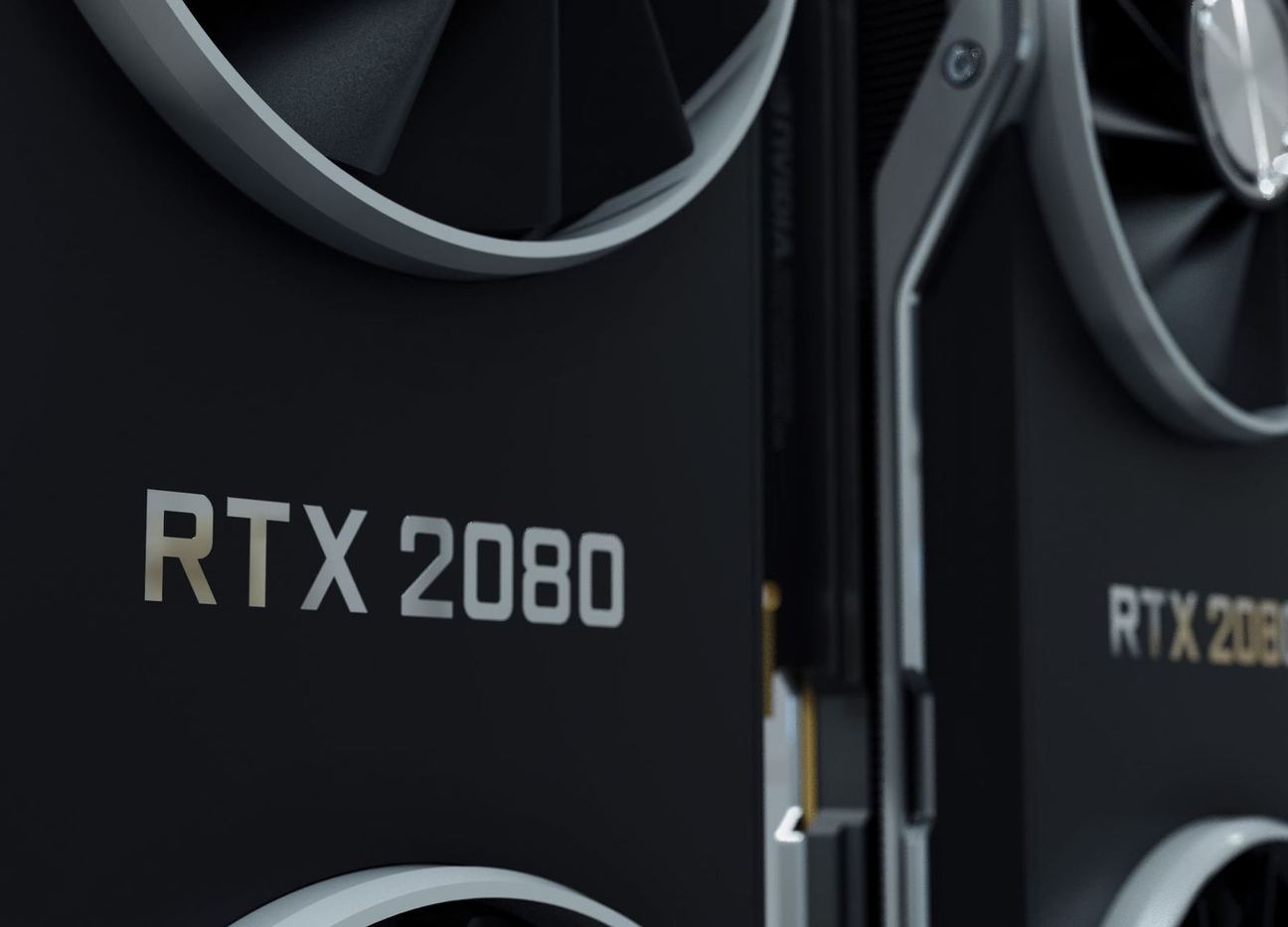
Kospi's Surge Follows Strong Nvidia Results
Seoul's benchmark Korea Composite Stock Price Index (Kospi) rose sharply on Thursday. The index gained 159.24 points, or 2.34 percent, closing at 6,967.45. This strong performance followed Nvidia's robust second-quarter earnings report. Nvidia's results eased investor concerns about a potential slowdown in semiconductor demand.
The company's sales more than doubled year-on-year, surpassing Wall Street expectations. This also alleviated fears surrounding an artificial intelligence (AI) bubble. Nvidia further projected its fiscal 2028 income would increase by 70 percent, a forecast also exceeding analyst expectations.
Market Leaders and Currency Movements
Most market heavyweights in Seoul saw gains. Top-cap Samsung Electronics advanced 3.06 percent. Its industry competitor, SK Hynix, rose 4.15 percent. Battery maker LG Energy Solutions climbed 3.85 percent. Defence firm Hanwha Aerospace was up 2.39 percent. Car manufacturer Hyundai Motor, however, dipped 0.25 percent. The Korean won strengthened against the US dollar.
It traded at 1,384.8 won, up 1.5 won from the previous close. This currency movement suggests broader investor confidence in Korean assets.
Investors in Seoul also monitored the Bank of Korea's (BOK) rate decision, scheduled for later on Thursday. The BOK's policy stance will influence market liquidity and borrowing costs for Korean businesses. Nvidia's strong outlook may sustain confidence in the semiconductor sector. This sector remains a key export driver for South Korea.
However, global economic conditions and the BOK's monetary policy will shape future market movements. This is particularly true for tech-heavy Asian bourses, which often react to chip sector sentiment.
This article is journalism, not investment advice; consult a licensed professional before making financial decisions. Market data is indicative, may be delayed, and should be verified with your broker or exchange before use.
Comments.
Comments are moderated. We remove what is unlawful, abusive or off-topic, and and you remain responsible for what you post.
Reader comments open soon. Until then, corrections and responses go to our newsroom, and we publish what we get wrong on Corrections.