RBI Absorbs Liquidity Amid High Overnight Market Volumes
The Reserve Bank of India (RBI) withdrew funds from the financial system on August 18, 2026. This action addressed substantial volumes in the overnight money market, where the weighted average rate reached 5.00 per cent.
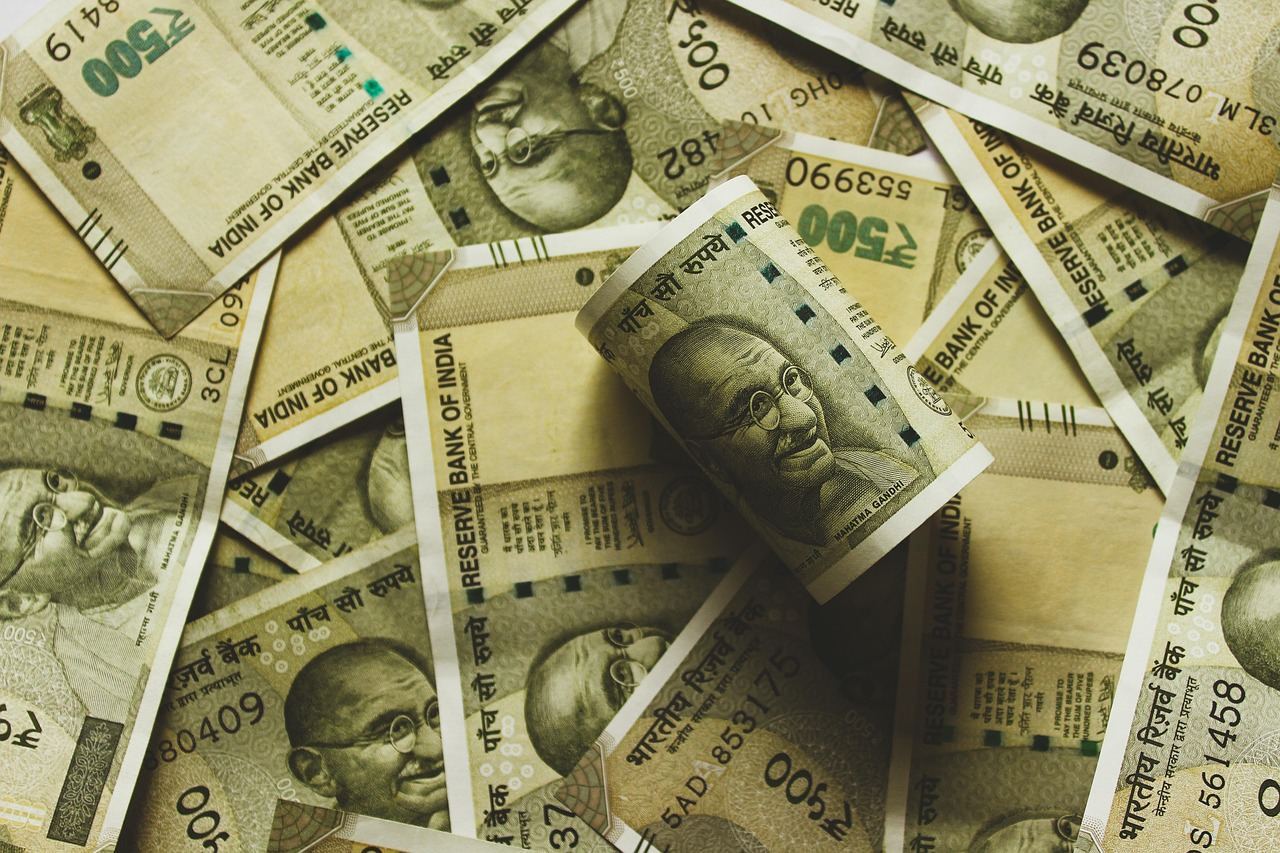
RBI Manages Systemic Liquidity
The Reserve Bank of India (RBI) actively managed systemic liquidity on August 18, 2026. The central bank absorbed significant funds from the financial system. It employed its Standing Deposit Facility (SDF) and reverse repo operations. The SDF allows banks to park surplus funds with the RBI without collateral.
Reverse repo operations involve the RBI borrowing money from banks against government securities. These tools reduce the amount of cash circulating in the banking system.
Overnight Market Activity
India's overnight money markets demonstrated substantial volumes on the intervention date. The weighted average rate for these short-term transactions settled at 5.00 per cent. High trading volumes in these markets show active short-term borrowing and lending among banks. The RBI's actions aim to stabilise these short-term rates. They prevent excessive liquidity from creating unwanted volatility in the money market.
This liquidity absorption by the RBI directly influences short-term borrowing costs for Indian financial institutions. Sustained higher overnight rates can translate into increased lending rates across the broader economy. Indian businesses may consequently face slightly elevated financing expenses for working capital and other short-term needs.
Investors will closely monitor future RBI interventions. These actions will shape the near-term interest rate environment. Continued high liquidity could prompt further central bank measures.
This article is journalism, not investment advice; consult a licensed professional before making financial decisions. Market data is indicative, may be delayed, and should be verified with your broker or exchange before use.
Comments.
Comments are moderated. We remove what is unlawful, abusive or off-topic, and and you remain responsible for what you post.
Reader comments open soon. Until then, corrections and responses go to our newsroom, and we publish what we get wrong on Corrections.