Oil surges past US$100, US bond yields hit 2007 peak as stocks fall
West Texas Intermediate crude topped US$100 a barrel on Thursday, while the S&P 500 declined for a fourth consecutive day, as US wholesale inflation accelerated in August.
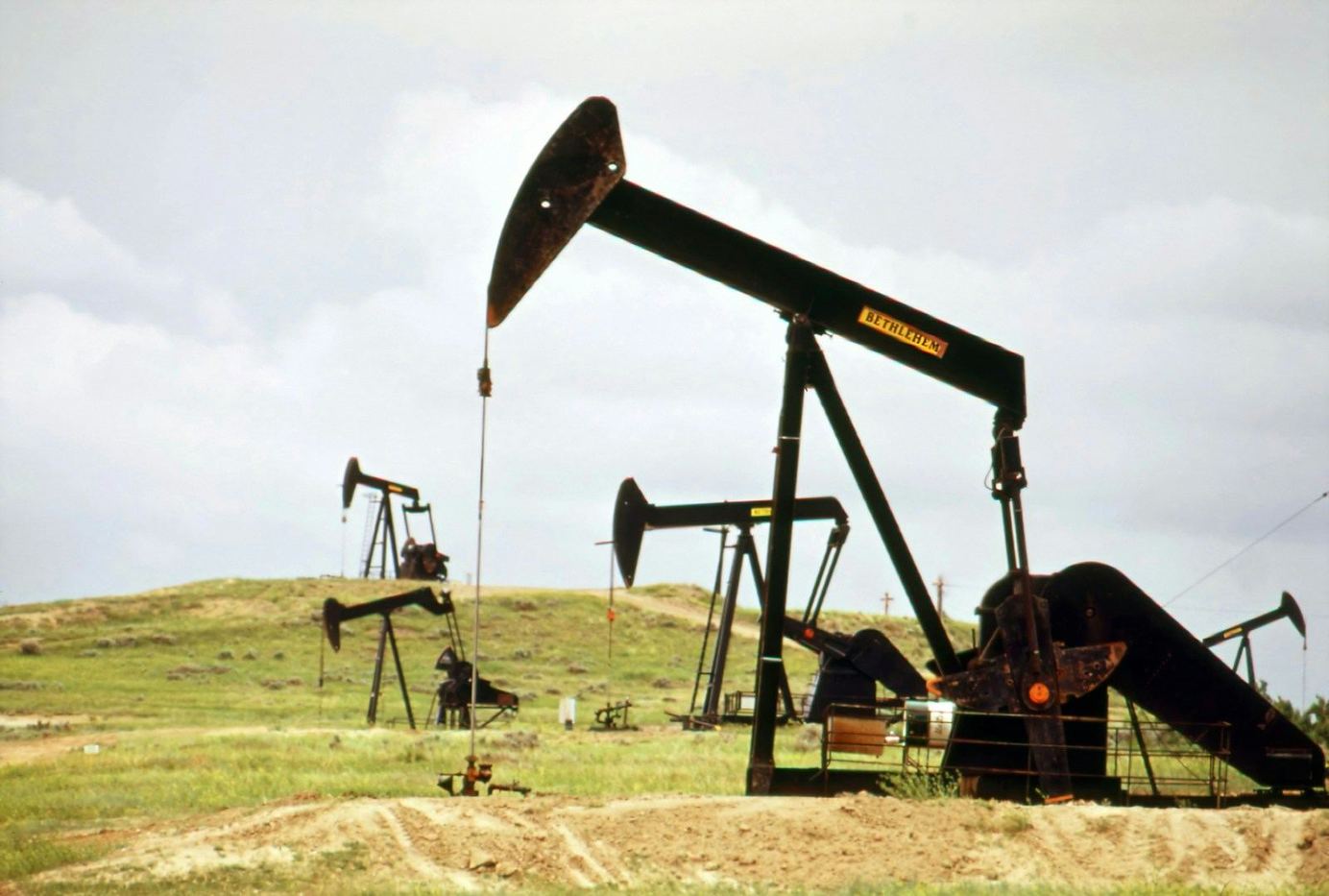
Global Oil Prices Jump
Global oil prices rose sharply on Thursday, 10 September. The US benchmark, West Texas Intermediate (WTI) crude, advanced above US$100 a barrel. International Brent crude also increased by over 6 per cent, surpassing US$107 a barrel and reaching its highest level since May.
This price escalation followed reports of threats to crude supplies, particularly after Yemen's Houthis reportedly gained control of the strategic Red Sea port city of Mocha on Thursday. Research director Kathleen Brooks of XTB noted that this situation presents a further risk to global energy supplies.
US Bond Yields Reach Multi-Year Highs
Yields on long-term US Treasury bonds climbed to new multi-year highs on Thursday. The 30-year US Treasury bond yield reached 5.36 per cent, a peak not seen since 2007. This increase occurred after the US government released producer price inflation data for August, which showed an acceleration driven by energy prices.
The producer price index (PPI) rose by 5.4 per cent in August, up from 4.8 per cent in July. Angelo Kourkafas of Edward Jones highlighted that the speed of these rate increases is a concern for markets.
Equity Markets Decline, ECB Hikes Rates
Major Wall Street indices finished Thursday's trading session lower, with the S&P 500 falling 0.6 per cent, marking its fourth consecutive day of losses. Concurrently, the European Central Bank (ECB) raised its benchmark interest rate to 2.5 per cent on Thursday. The ECB issued a warning that inflation is expected to remain significantly above its target for an extended period.
While markets largely anticipated the ECB's rate hike, the euro retreated against the US dollar. Julian Pineda, a market analyst at Forex.com, indicated that Friday's release of the US consumer price index (CPI) could influence expectations regarding the Federal Reserve's upcoming monetary policy decision.
Asian Trade Lanes Face Disruptions
The escalating situation in the Red Sea, particularly around the Bab al-Mandab strait, poses significant economic implications for Asia. This waterway is a vital link for trade between Asia and Europe via the Red Sea and Suez Canal.
Rystad Energy analyst Jorge Leon reported that crude flow through the strait, which was around eight million barrels per day (bpd) in late August, has recently dropped to between 1.5 million and two million bpd.
This reduction in shipping capacity and increased risk will likely translate into higher freight costs and potential supply chain disruptions for Asian economies and businesses reliant on this route for energy imports and exports.
This article is journalism, not investment advice; consult a licensed professional before making financial decisions. Market data is indicative, may be delayed, and should be verified with your broker or exchange before use.
Comments.
Comments are moderated. We remove what is unlawful, abusive or off-topic, and and you remain responsible for what you post.
Reader comments open soon. Until then, corrections and responses go to our newsroom, and we publish what we get wrong on Corrections.