Jharkhand Coal Mining Spurs Santhal Labour Migration, Raising Industry Risks
Coal mining and climate impacts in India's Jharkhand state compel Santhal communities into temporary labour migration, creating operational risks for resource industries and affecting labour supply in other states.
Santhal Communities Face Economic Pressure
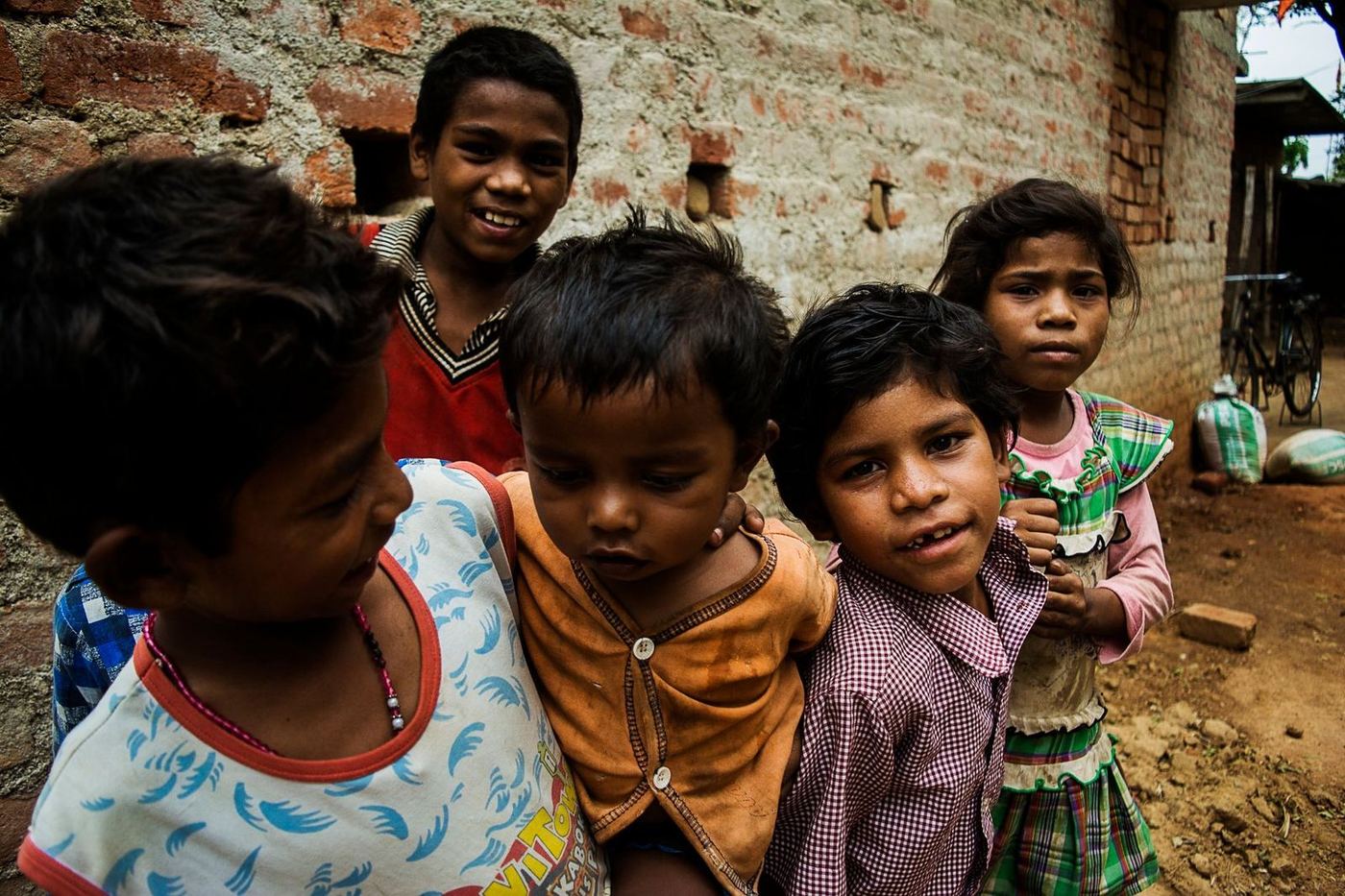
Indigenous Santhal communities in India's Jharkhand state face increasing economic pressure. Coal mining, water scarcity, and erratic rainfall make traditional livelihoods unsustainable, compelling many residents to seek work elsewhere. This trend drives temporary labour migration to other states for essential income. Individuals leave to fund needs like house construction or wedding costs, returning once specific financial goals are met. For example, Mercilla Tudu and Baghal Hembrom travelled over 2,000 kilometres to Kerala for work, earning INR 500 (US$5.20) each daily. Dialogue Earth found this temporary migration common in villages like Ukhrapahari and Burhidangal.
Migration Scale and Drivers
Local records from Burhidangal and Ukhrapahari reveal that about half of households have a family member working outside Jharkhand. The 2023 Jharkhand Migration Survey further shows Dumka district had approximately 273,000 current migrants and nearly 39,000 "return migrants". The primary drivers for this movement are declining agricultural incomes and the environmental impact of mining. For generations, communities relied on forests for food, fuel, and income. However, mining has altered these resources, reducing their availability for traditional sustenance and supplementary earnings.
Mining's Impact on Livelihoods
Jharkhand is a significant coal producer, with output growing over 60% between 2017 and 2025. As of July 2026, the Dumka Mining Office registered 23 coal mining leases. Vincent Murmu, project coordinator at the non-profit Lahanti, noted mining's profound effect on forests, which Santhal communities depend on. This shift creates a transient labour pool for states like Kerala, Gujarat, and Maharashtra. However, these migrant workers often experience exploitation and alienation, as reported by Dialogue Earth.
This migration pattern presents operational risks for resource-intensive industries. The reliance on a transient workforce can affect labour availability and stability in receiving states. For companies operating in Jharkhand, the environmental and social impacts of mining contribute to community instability. Industries must consider the social licence to operate and potential labour disruptions arising from these economic pressures and seasonal migration cycles. This dynamic can influence supply chains reliant on specific labour pools.
Get The Brief.
Asia’s economy in five minutes, every weekday morning. Free.