Bangkok Hotels Urge Lower Accommodation Tax Amid Recovery Concerns
Bangkok's hotel industry is pushing back against a proposed 3% accommodation tax, with the Thai Hotels Association (THA) advocating for a lower initial rate to support tourism recovery and address unfair competition from unlicensed operators.
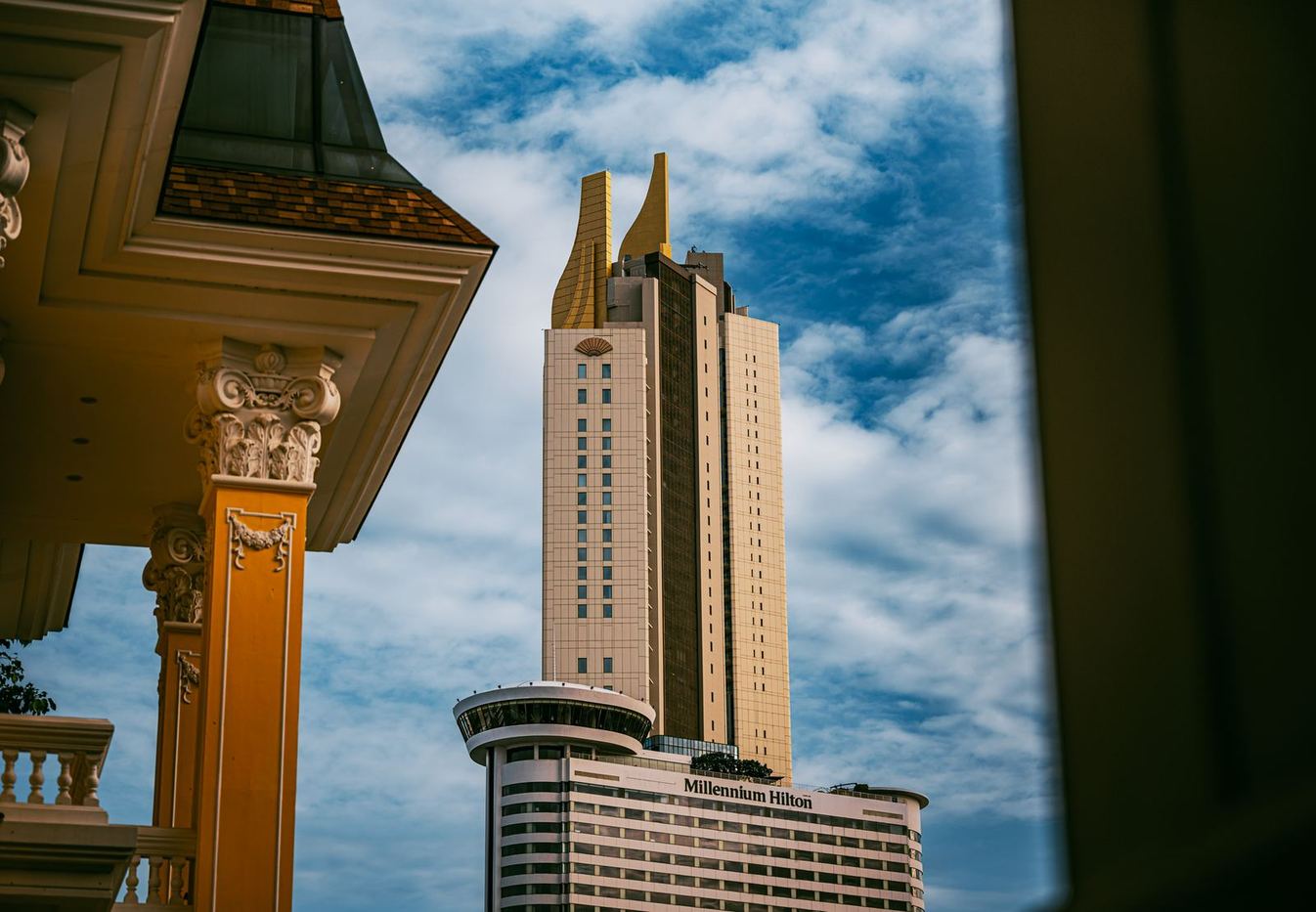
Bangkok Hotel Tax Proposal Faces Industry Pushback
The Bangkok Metropolitan Administration (BMA) plans a 3% hotel tax. This aims to boost city revenue. The Thai Hotels Association (THA) urges a lower initial rate of 0.5-1%. THA President Thienprasit Chaiyapatranun fears the 3% levy burdens businesses. The industry faces volatile energy prices and high travel costs. Bangkok Governor Chadchart Sittipunt proposed BMA Act amendments. These would allow the city to collect local taxes. The BMA expects 1 billion baht in annual revenue from this tax.
Unfair Competition and Reinvestment Demands
THA also highlights unfair competition from unlicensed accommodations. These operators avoid taxes, creating an uneven playing field. Thienprasit noted most Bangkok rooms sold online are illegal. This also compromises guest safety. THA demands BMA plans to tackle these illegal operators. The association suggests reinvesting tax revenue. Funds could support hotel sustainability standards. They could also finance marketing campaigns to attract more tourists.
Broader Tourism Trends and Investment Impact
Thailand welcomed 18.5 million foreign tourists this year, as of August 1. This number is down 3% year-on-year. These visitors generated 896 billion baht in revenue. The BMA also proposed raising land and building tax rates. This targets agricultural land to encourage productive use. Thienprasit suggests this adjustment could prompt landowners to sell. New developments may become less viable, particularly in less commercially attractive areas. Land tax calculation based on asset value, not business revenue, deters investment.
Get The Brief.
Asia’s economy in five minutes, every weekday morning. Free.