Japan Yen Nears 160 Against Dollar; BoJ Intervention Expectations Mount
The Japanese yen approached 159.39 per US dollar on Tuesday, nearing a critical 160 level. This movement raises concerns about further intervention by Japanese authorities to support the currency.
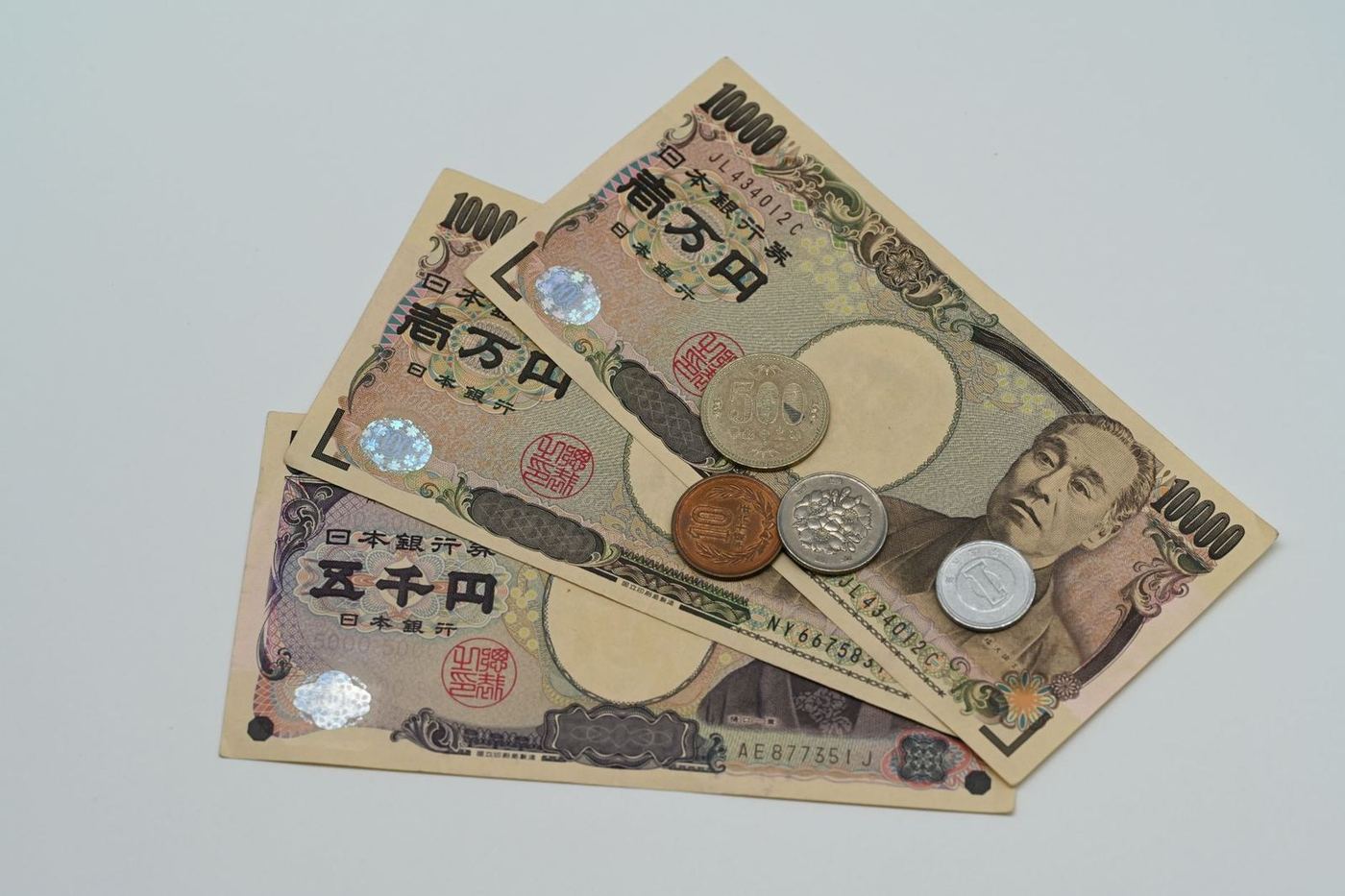
Yen Weakens Towards Critical Mark
The Japanese yen edged closer to 160 per US dollar on Tuesday, finishing the session at 159.28. It touched 159.39 earlier, after weakening by 0.1%. This follows a 1% decline on Monday, the largest single-day drop since mid-February. The yen's approach to the 160 mark intensifies market speculation about another currency intervention by Japanese authorities.
Mizuho Bank senior strategist Masayuki Nakajima noted that a decisive break above 160 would heighten these intervention concerns.
Previous Intervention's Limited Effect
Japan and the US conducted their first coordinated intervention to support the yen since 1998 in late July. These joint efforts lifted the yen from near a four-decade low of about 164 per dollar to a peak of 155 earlier this month. However, the currency has since given back most of those gains.
Eurizon SLJ Capital's Stephen Jen and Joana Freire stated that the joint intervention demonstrated both countries' determination to achieve a stronger yen.
Underlying Economic Pressures Persist
Underlying economic factors continue to pressure the yen. Wide interest-rate differentials between the US and Japan remain a key driver. Concerns about Japan's fiscal outlook and broader geopolitical uncertainty also weigh on the currency. Michael Ball, a macro strategist, suggests intervention alone cannot address these fundamental issues.
He argues sustained yen strength requires more assertive action from the Bank of Japan (BOJ), such as a larger rate hike or a longer tightening cycle.
For Asian businesses, a weakening yen impacts trade flows and corporate earnings. Japanese exporters may see temporary benefits, but importers face higher costs. Bank of America foreign-exchange strategist Alex Cohen observed that the effect of the last intervention has largely vanished. Without further policy action, the yen will likely struggle.
This situation places continued focus on the Bank of Japan's future monetary policy decisions, which could influence regional currency stability.
This article is journalism, not investment advice; consult a licensed professional before making financial decisions. Market data is indicative, may be delayed, and should be verified with your broker or exchange before use.
Comments.
Comments are moderated. We remove what is unlawful, abusive or off-topic, and and you remain responsible for what you post.
Reader comments open soon. Until then, corrections and responses go to our newsroom, and we publish what we get wrong on Corrections.