Ten Indian States Auction ₹27,000 Crore in Bonds
Ten Indian states sought to raise ₹27,000 crore (S$4.4 billion) by auctioning state government securities on September 1, 2026. The Reserve Bank of India (RBI) conducted the sale. These bonds qualify as eligible investments for banks' Statutory Liquidity Ratio (SLR) requirements.
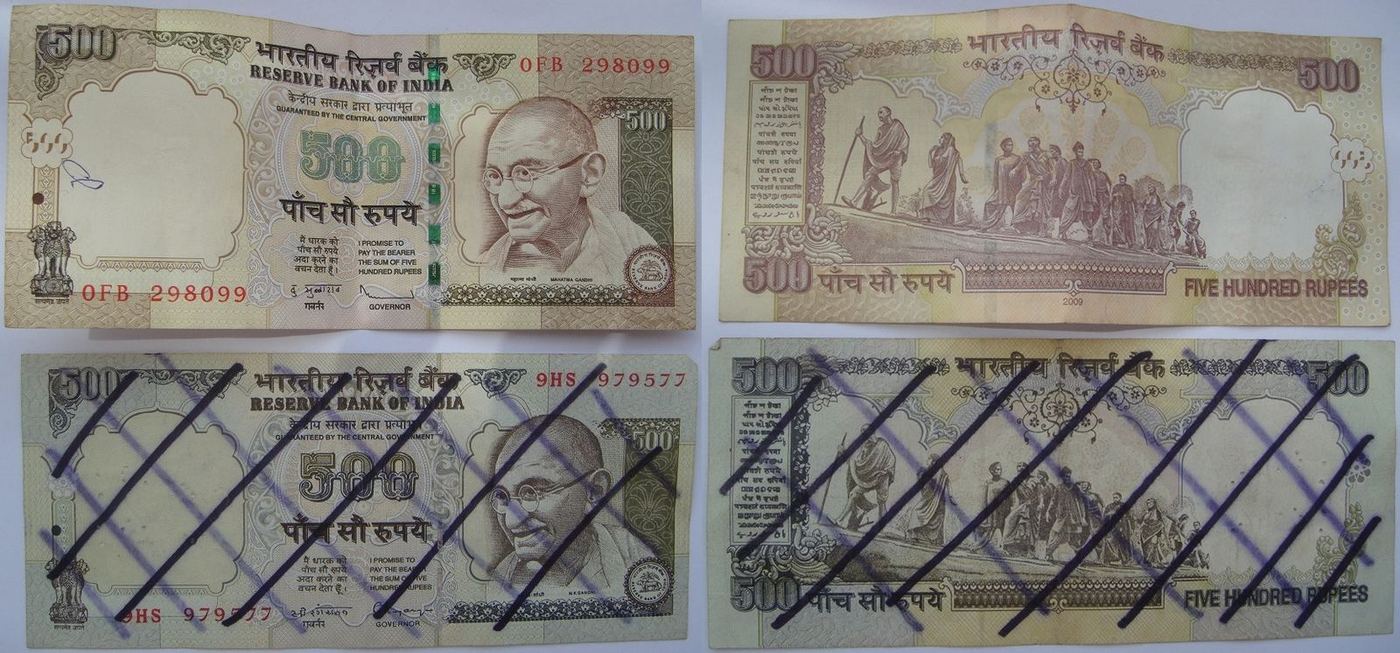
States Seek Capital Through RBI Auction
Ten Indian state governments offered ₹27,000 crore (S$4.4 billion) in government securities through an auction held on September 1, 2026. The Reserve Bank of India (RBI) managed this sale using its E-Kuber core banking solution. Successful bidders will make payments on September 2, 2026.
These new state government stocks will carry interest rates determined by the RBI at the auction, with half-yearly interest payments scheduled for March 2 and September 2 each year until maturity.
Bidding Process and Investor Access
The auction facilitated both competitive and non-competitive bids. Individual investors could participate through the RBI Retail Direct portal, a non-competitive bidding scheme. This scheme reserves up to 10% of the notified amount for eligible individuals and institutions. A single bid under this scheme has a maximum limit of 1% of the stock's notified amount. All bids, competitive and non-competitive, were submitted electronically via the RBI's E-Kuber system.
SLR Eligibility Attracts Banks
The state government stocks are subject to the Government Securities Act, 2006, and its 2007 regulations. Crucially, these investments count towards banks' Statutory Liquidity Ratio (SLR) requirements under Section 24 of the Banking Regulation Act, 1949. This makes them attractive to financial institutions seeking to meet regulatory obligations.
The stocks also qualify for the ready forward facility, enhancing their liquidity. Minimum nominal amounts for stock issuance begin at ₹10,000 and proceed in multiples thereof.
This significant bond issuance allows Indian states to finance their fiscal needs, tapping into a broad investor base. The SLR eligibility provides a steady demand floor from commercial banks, ensuring participation in these auctions. For investors, particularly banks, these securities offer a regulated, liquid asset that simultaneously satisfies capital requirements.
The RBI's central role in managing these sales underscores its influence over India's public debt markets and state borrowing costs.
This article is journalism, not investment advice; consult a licensed professional before making financial decisions. Market data is indicative, may be delayed, and should be verified with your broker or exchange before use.
Comments.
Comments are moderated. We remove what is unlawful, abusive or off-topic, and and you remain responsible for what you post.
Reader comments open soon. Until then, corrections and responses go to our newsroom, and we publish what we get wrong on Corrections.