India's 'No-Cost EMI' for iPhone 18 Pro Carries Hidden Fees, Debt Risks
Indian consumers considering "no-cost" equated monthly instalments for an Apple iPhone 18 Pro face undisclosed processing fees and potential loss of upfront discounts, according to financial analysis.
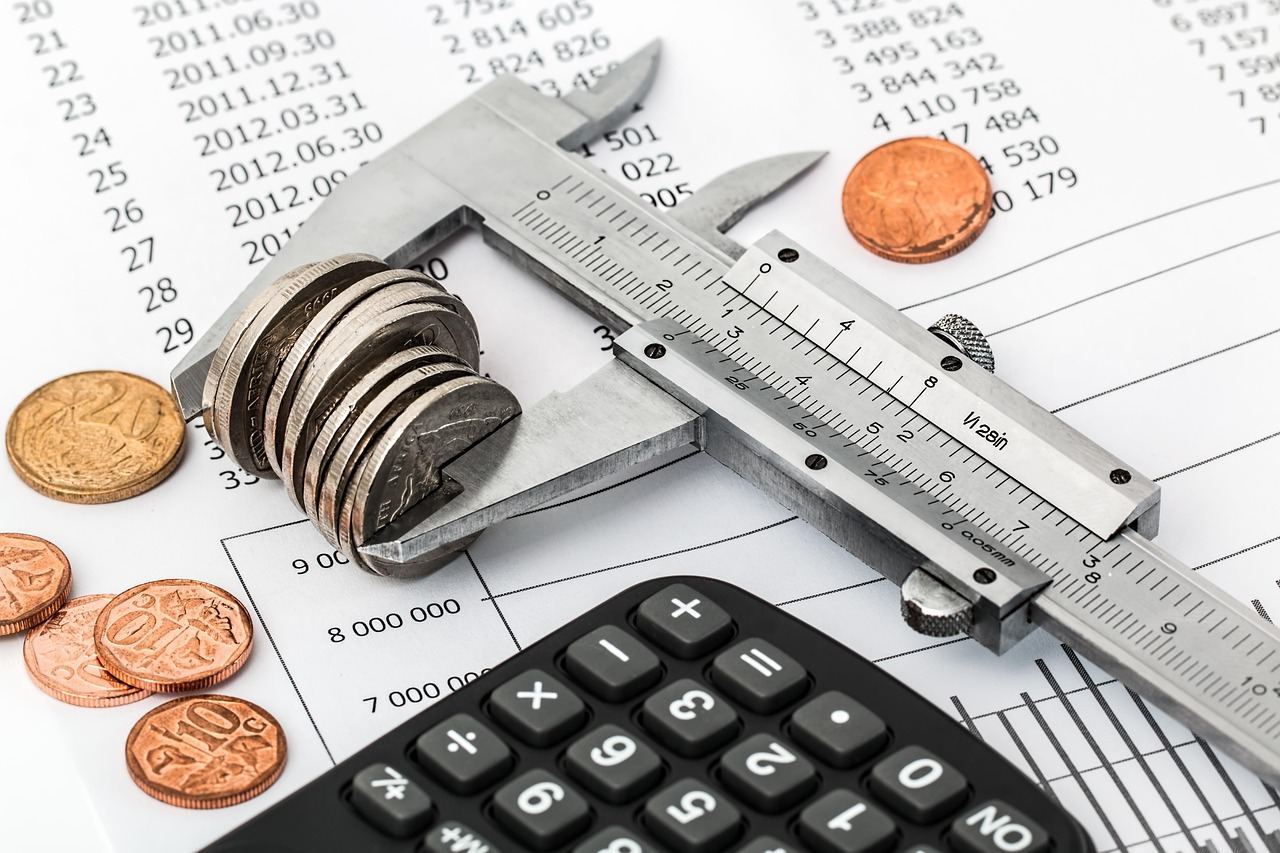
Hidden Charges in EMI Schemes
The appeal of "no-cost" equated monthly instalment (EMI) schemes for high-value purchases, such as the Apple iPhone 18 Pro, often masks additional financial commitments. Financial analysis indicates that these arrangements can include bank processing fees, typically ranging from ₹ 199 to ₹ 500, and an 18% Goods and Services Tax (GST) applied to any embedded interest component.
For instance, Unicorn Store advertises the 256GB iPhone 18 Pro at an effective price of ₹ 1,57,900, after a ₹ 7,000 discount, payable over six months in instalments of ₹ 26,316. Larger storage options, like the 2TB model, command higher monthly payments of ₹ 51,315 against an effective price of ₹ 3,07,900.
Discount Forfeiture and Total Outlay
Consumers opting for EMI plans risk forfeiting better upfront discounts available for full payments. A hypothetical ₹ 60,000 smartphone, for example, might be priced at ₹ 53,000 for an immediate purchase. Choosing six monthly instalments of ₹ 10,000 instead means paying the full ₹ 60,000, incurring a ₹ 7,000 loss before any additional charges.
However, some retailers, such as Unicorn Store, explicitly integrate a discount into their EMI offers. In such cases, the crucial comparison lies between the total EMI repayment amount and the lowest available upfront price, ensuring all associated fees are considered.
Complex Terms and Credit Strain
Advertised monthly payments can simplify complex financing structures. India Store, for example, offers the iPhone 18 Pro with 12-month payments of ₹ 9,575 when trading in an eligible Apple iPhone 15 Pro (128GB), which includes a ₹ 40,000 trade-in value and up to a ₹ 10,000 bonus. Without an exchange, the monthly payment rises to ₹ 13,742.
Alternatively, a 33% down payment can yield 16-month instalments of ₹ 4,811.40 with exchange or ₹ 6,905 without. Accumulating several EMI commitments, such as ₹ 12,500 monthly for a television, tablet, and appliances, can significantly strain household budgets.
Furthermore, financing a large purchase, like ₹ 90,000 on a ₹ 1.5 lakh credit limit, reduces available credit for emergencies to ₹ 60,000.
For Asian consumers, particularly in markets like India where EMI schemes are widespread, the analysis underscores the need for thorough due diligence before committing to "no-cost" financing. While attractive, these plans require a detailed understanding of the total cost, including processing fees, taxes, and potential lost discounts.
Lenders and retailers must enhance transparency, clearly outlining all charges beyond the monthly instalment. Consumers should request a full repayment schedule and compare it against outright purchase prices by 4 October 2026 to make informed financial decisions and avoid unexpected debt burdens.
This article is journalism, not investment advice; consult a licensed professional before making financial decisions. Market data is indicative, may be delayed, and should be verified with your broker or exchange before use.
Comments.
Comments are moderated. We remove what is unlawful, abusive or off-topic, and and you remain responsible for what you post.
Reader comments open soon. Until then, corrections and responses go to our newsroom, and we publish what we get wrong on Corrections.