India's Lab-Grown Diamond Sales Face New Tax Rules, Lower Resale Value
Buyers of lab-grown diamond jewellery in India now pay 3% Goods and Services Tax, with long-term capital gains taxed at 12.5% without indexation.
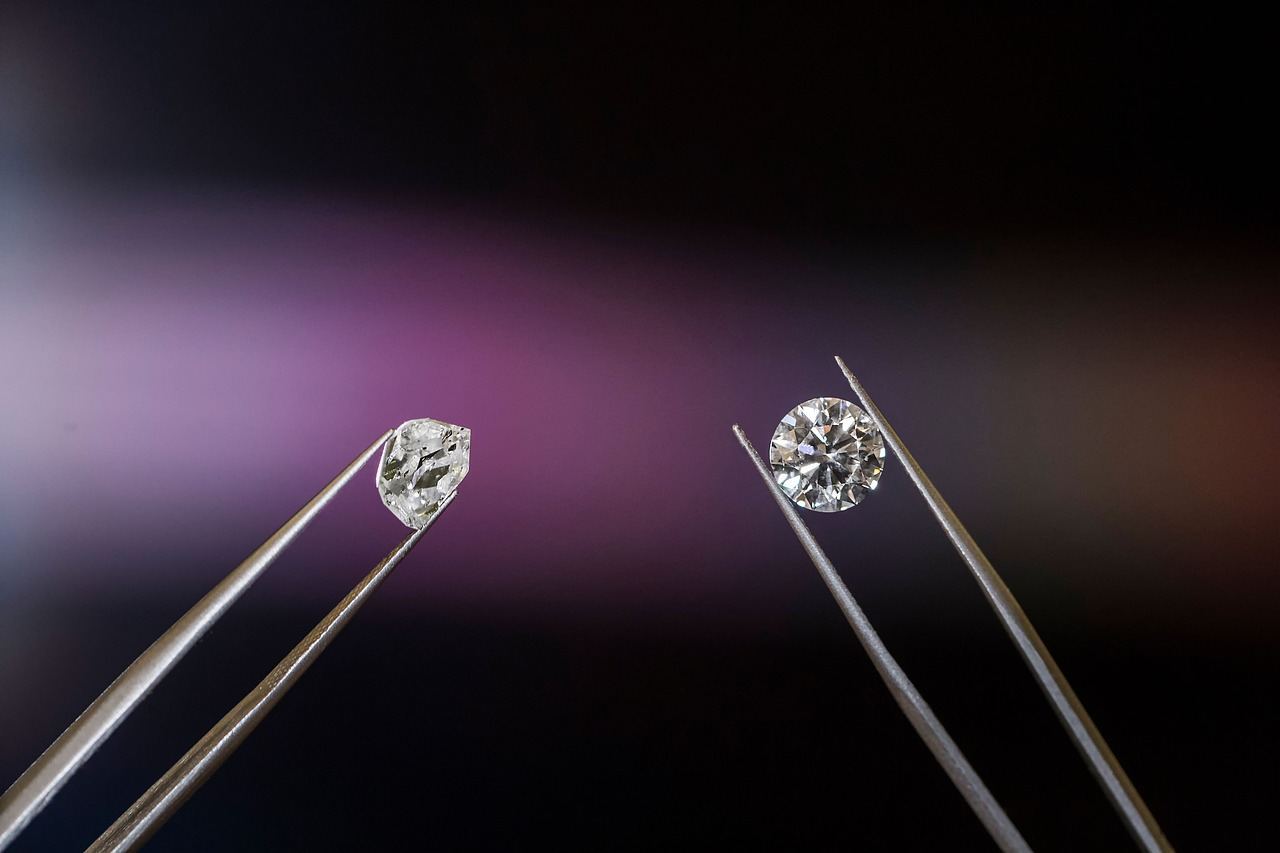
GST Rates on Lab-Grown Diamonds
Lab-grown diamonds (LGDs) are increasingly popular in India, particularly for festive occasions like Karva Chauth. These stones share the identical chemical makeup and crystalline structure of natural diamonds, according to Lisa Mukhedkar, Co-Founder and CEO of Aukera.
The primary distinction lies in their origin: LGDs are created in laboratories, while natural diamonds are mined. Diamond jewellery, including pieces featuring LGDs, is subject to a 3% Goods and Services Tax (GST) in India, a rate consistent with natural diamond and gold jewellery under HSN 7113.
However, loose, unset lab-grown diamonds attract a lower GST of 0.25% under HSN 7104, as noted by CA and Financial Educator Sakchi Jain. This rate increases to 3% once the stone is incorporated into jewellery.
Certification and Gold Hallmarking
Prospective buyers of lab-grown diamond jewellery should ensure independent certification for the diamonds and hallmarking for the gold setting. Sakchi Jain advises obtaining a grading certificate from bodies such as the International Gemological Institute (IGI), Solitaire Gemmological Laboratories (SGL), or the Gemological Institute of America (GIA).
Such certificates confirm the diamond's lab-grown origin, its cut, colour, clarity, carat weight, and manufacturing method (Chemical Vapour Deposition or High-Pressure High-Temperature).
India's Bureau of Indian Standards (BIS) mandates specific labelling, requiring certificates to state “laboratory-grown diamond” or “laboratory-created diamond,” while terms like “LGD” are not permitted. For the gold component, typically 18K or 14K in India, buyers should look for the BIS Hallmark, which indicates purity (e.g., 916 for 22K, 750 for 18K).
Cost Comparison and Making Charges
The cost of lab-grown diamond jewellery is significantly lower than its natural counterpart. A 1-carat lab-grown diamond solitaire ring set in 18K gold typically retails for ₹60,000 to ₹1.2 lakh in India, while an equivalent natural diamond ring can exceed ₹3 lakh, according to Sakchi Jain. This price disparity has widened as LGD production has scaled up, driving down costs.
Making charges, an additional expense, generally range from 10% to 25% of the gold's value or are applied as a flat per-gram rate. These charges vary based on the jewellery's design complexity, whether it is handcrafted or machine-made, and the type of retailer, Jain explained.
Resale Value and Capital Gains Tax
Resale values for lab-grown diamonds are considerably lower than for natural diamonds. Buyers can typically recover 20% to 30% of an LGD's purchase price, compared to 40% to 60% for natural diamonds, though neither is considered a strong investment, Sakchi Jain noted. For instance, an LGD piece bought for ₹1 lakh might resell for ₹25,000–₹35,000 after one year.
Gold in the setting is valued separately at prevailing market rates. Both lab-grown and mined diamonds are treated identically under capital gains tax rules. Sales within 24 months incur short-term capital gains tax at the individual's income tax slab rate.
For sales after 24 months, long-term capital gains tax is now 12.5% without indexation, a change introduced in Budget 2024, as stated by Lisa Mukhedkar and Sakchi Jain. This replaced the previous 20% rate with indexation.
This article is journalism, not investment advice; consult a licensed professional before making financial decisions. Market data is indicative, may be delayed, and should be verified with your broker or exchange before use.
Comments.
Comments are moderated. We remove what is unlawful, abusive or off-topic, and and you remain responsible for what you post.
Reader comments open soon. Until then, corrections and responses go to our newsroom, and we publish what we get wrong on Corrections.