Dollar Nears Two-Week High; Yen Weakens Past 160 on Warsh Remarks
The US dollar reached a near two-week high on Monday, 31 August 2026, following Federal Reserve Chair Kevin Warsh's comments. These remarks increased market expectations for a September rate hike. Concurrently, the Japanese yen weakened past 160 per dollar, raising concerns about potential intervention.
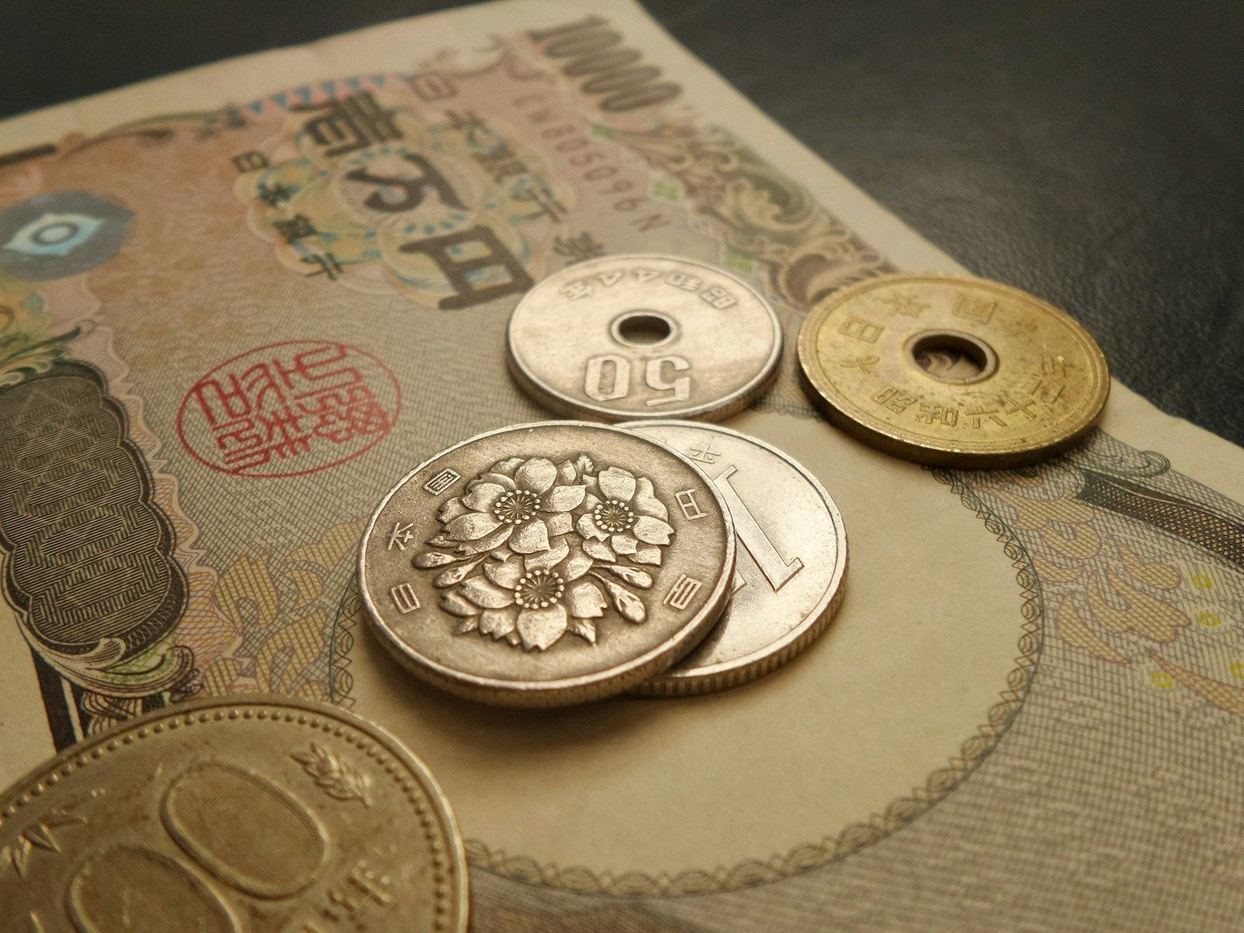
Dollar Strengthens on Rate Hike Bets
The US dollar reached a near two-week high on Monday, 31 August 2026. This followed Federal Reserve Chair Kevin Warsh's remarks, which increased market expectations for a September rate hike. Warsh stated the US central bank "will have work to do" absent inflation moving towards 2 per cent. Markets now price a 57 per cent implied probability of a September policy tightening.
Two-year US Treasury note yields, sensitive to interest rates, rose to a one-month high of 4.33 per cent. OCBC's FX strategist Sim Moh Siong observed Warsh's inflation target defence reduced dollar drag.
Yen Weakens, Intervention Concerns Rise
Concurrently, the Japanese yen weakened, slipping past 160 per dollar. This level often increases the risk of official intervention. US Treasury Secretary Scott Bessent commented on Sunday that recent yen moves were "pretty well contained." He added that he expected Bank of Japan Governor Kazuo Ueda to "do the right thing" on monetary policy.
UBP's senior economist for Asia, Carlos Casanova, noted the yen remains under pressure. He cited the wide rate gap, negative real rates, and the Bank of Japan's cautious policy pace.
Investors now focus on upcoming US economic data. This includes Friday's nonfarm payrolls report and next week's consumer inflation figures. Both could shape expectations for the September Federal Reserve meeting. Attention also turns to a US-hosted G20 meeting of finance ministers and central bank governors.
Markets will monitor for coordinated efforts regarding Iran and measures addressing US debt and bond yields. For Asian investors, persistent yen weakness highlights regional currency stability concerns. A sustained wide rate differential may necessitate further intervention, impacting capital flows across Asia.
This article is journalism, not investment advice; consult a licensed professional before making financial decisions. Market data is indicative, may be delayed, and should be verified with your broker or exchange before use.
Comments.
Comments are moderated. We remove what is unlawful, abusive or off-topic, and and you remain responsible for what you post.
Reader comments open soon. Until then, corrections and responses go to our newsroom, and we publish what we get wrong on Corrections.