PBoC Names Deutsche Bank Europe's First Non-Chinese Yuan Clearer
China's central bank has authorised Deutsche Bank as Europe's first non-Chinese yuan clearer. This expands Beijing's currency clearing network, aiming to promote the yuan's international use and reduce reliance on the US dollar.
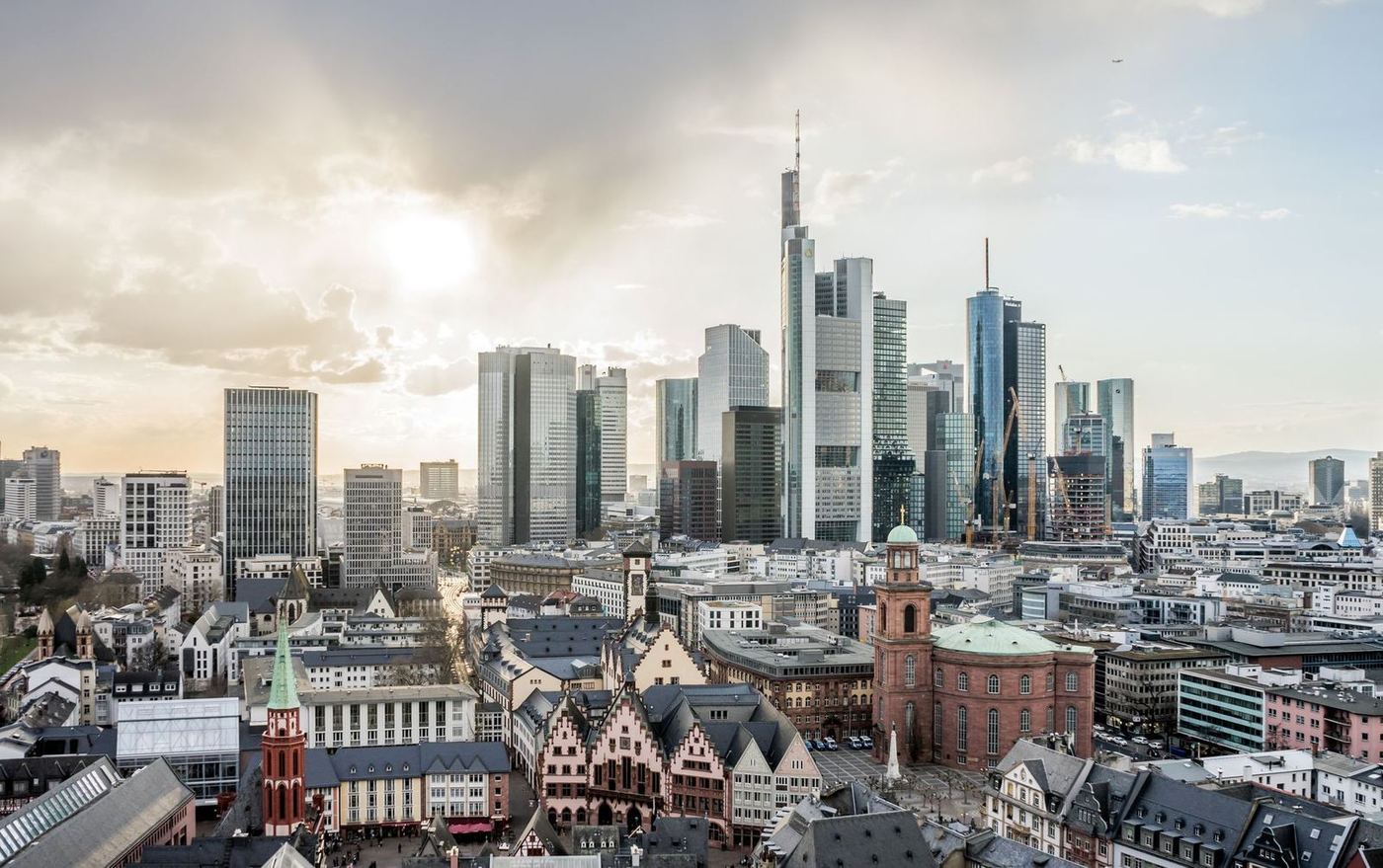
Yuan Clearing Expansion
China's central bank, the People's Bank of China (PBoC), has designated Deutsche Bank as Europe's inaugural non-Chinese yuan clearer. The German lender will manage yuan clearing activities from its Frankfurt headquarters. This strategic move extends Beijing's global clearing infrastructure.
The PBoC's objective is to foster the yuan's international adoption and diminish dependence on the US dollar for cross-border transactions. Previously, Bank of China, Industrial & Commercial Bank of China, and China Construction Bank units handled European yuan processing from cities including London, Paris, and Luxembourg.
Drivers for Demand
Growing commercial ties between China and Europe underpin this expansion. China maintains record trade surpluses with the European Union and Germany. Deutsche Bank China President Leo Yin noted a recent rise in client inquiries and yuan settlement volumes.
Global businesses increasingly invoice directly in yuan to lower costs and enhance pricing transparency with Chinese suppliers. Yin also stated that greater interest in yuan-denominated assets would further boost demand. European multinationals, particularly in manufacturing, automotive, and green technology sectors, are likely key drivers for this demand.
Broader Strategy
This designation for Deutsche Bank forms part of a broader PBoC initiative. Since last year, China has authorised more foreign banks to clear yuan settlements. These include First Abu Dhabi Bank in the United Arab Emirates, DBS Group in Singapore, and Standard Bank in Africa.
China's Cross-Border Interbank Payment System (CIPS), its proprietary yuan payment network, also shows rising global demand. CIPS has absorbed additional foreign banks as direct participants, with more seeking to join.
Guan Tao, global chief economist at Bank of China International, stated foreign banks offer unique advantages through their existing networks, aligning with China's aim to expand its overseas clearing infrastructure.
For Asian businesses and markets, this European development demonstrates China's sustained push for yuan internationalisation. Increased liquidity and easier access to yuan clearing in Europe will streamline trade and investment flows between Asia and the continent.
European companies with significant operations in China can now manage yuan transactions more efficiently, potentially reducing foreign exchange costs. Similarly, Chinese enterprises operating in Europe will find cross-border payments simpler.
Singapore's DBS Group, already a PBoC-authorised yuan clearer, reflects a parallel expansion of foreign bank roles in Asia's yuan ecosystem, enhancing regional financial connectivity.
This article is journalism, not investment advice; consult a licensed professional before making financial decisions. Market data is indicative, may be delayed, and should be verified with your broker or exchange before use.
Comments.
Comments are moderated. We remove what is unlawful, abusive or off-topic, and and you remain responsible for what you post.
Reader comments open soon. Until then, corrections and responses go to our newsroom, and we publish what we get wrong on Corrections.