BSE Shares Drop 3% as New Auction Session Curbs Trading Volumes
BSE shares declined on Wednesday after the exchange confirmed its recently introduced Closing Auction Session (CAS) reduced trading activity, particularly from high-frequency and retail participants.
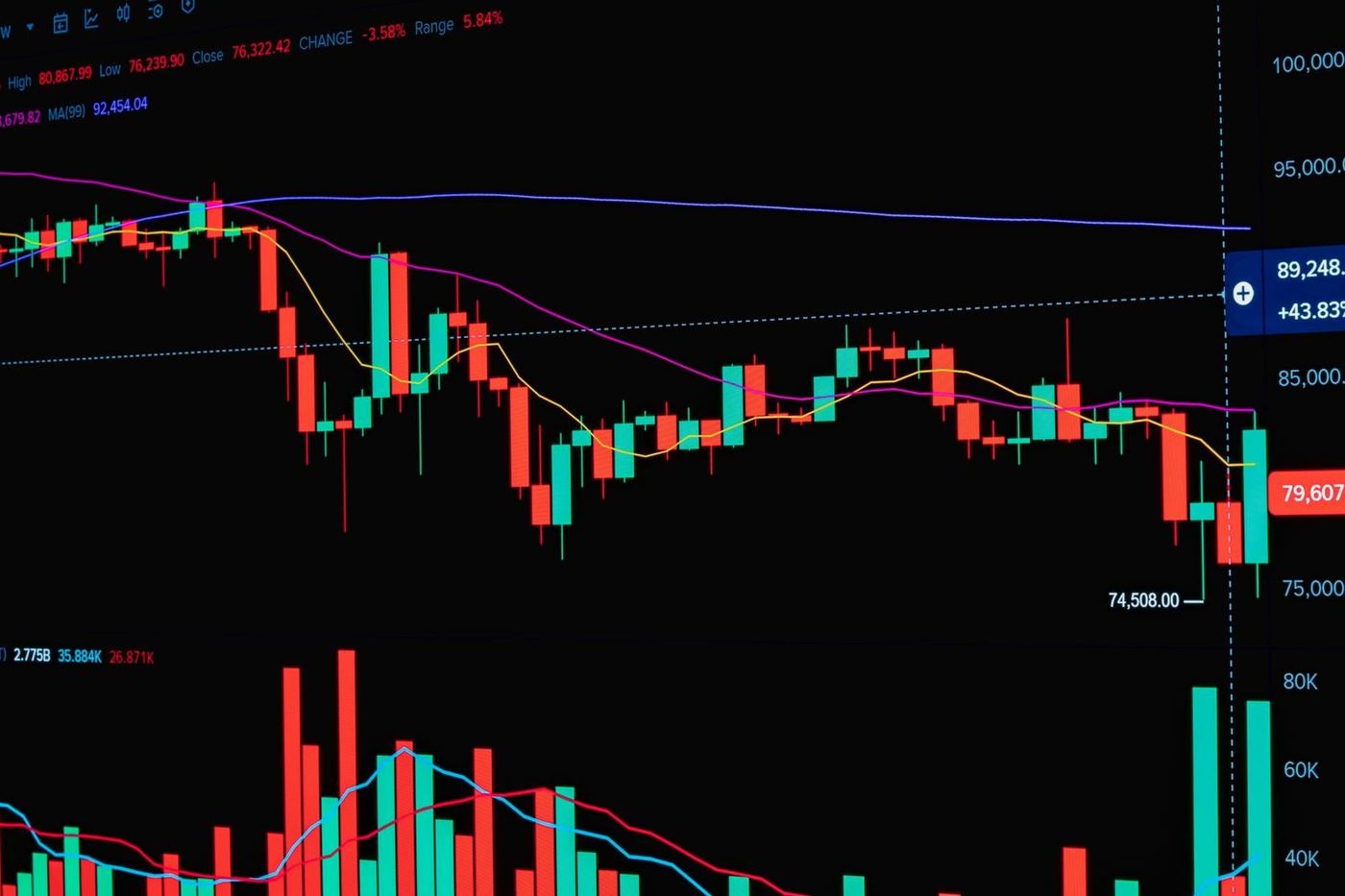
BSE Shares Decline Amid Volume Drop
BSE shares fell 3% on 2 September, reaching an intraday low of ₹3,131.50. This decline followed the exchange's acknowledgement that its recently introduced Closing Auction Session (CAS) reduced trading volumes. The CAS, launched on 3 August, has seen lower participation from high-frequency trading (HFT) firms, proprietary accounts, and retail traders. BSE's stock had opened at ₹3,222.60 on 2 September, down from its previous close of ₹3,242 on 1 September.
Closing Auction Session Impact
The CAS is a brief, end-of-day auction mechanism designed to establish a stock's official closing price. It replaced an earlier system that used the average price of trades executed during the final 30 minutes of continuous trading.
Regulators stated the new mechanism aimed to align Indian markets with global practices, citing similar systems in China, Taiwan, Hong Kong, and South Korea. However, BSE noted that CAS participation needs to pick up, as the 20-minute auction has demonstrated low liquidity, primarily driven by institutional participants.
Reduced Liquidity and Market Swings
Exchange data reveals that trades executed during the CAS account for less than 1% of total daily cash-market turnover (total value of shares traded). The volume under CAS is also less than one-third of the activity recorded with the previous closing-price methodology.
Since its introduction, the CAS has also led to notable price swings and divergences in benchmark indices (market performance indicators). Despite recent dips, BSE's stock gained 19.60% year-to-date and 43.24% over the past year, reflecting stronger long-term performance.
Consequences for Market Participants
The reduction in trading volumes and participation could affect liquidity providers and market makers on the exchange, potentially increasing their operational costs. Lower engagement from HFT and retail investors might also affect the overall market depth for companies listed on BSE.
For other Asian exchanges considering similar market structure reforms, BSE's experience demonstrates the importance of managing the transition to maintain broad market participation and trading revenue.
This article is journalism, not investment advice; consult a licensed professional before making financial decisions. Market data is indicative, may be delayed, and should be verified with your broker or exchange before use.
Comments.
Comments are moderated. We remove what is unlawful, abusive or off-topic, and and you remain responsible for what you post.
Reader comments open soon. Until then, corrections and responses go to our newsroom, and we publish what we get wrong on Corrections.