BoK's Shin Hyun-song: Won Resilient, US Investment Impact Manageable
Bank of Korea Governor Shin Hyun-song stated the South Korean won shows increased resilience against external shocks. He also believes planned US investments will have a manageable currency impact.
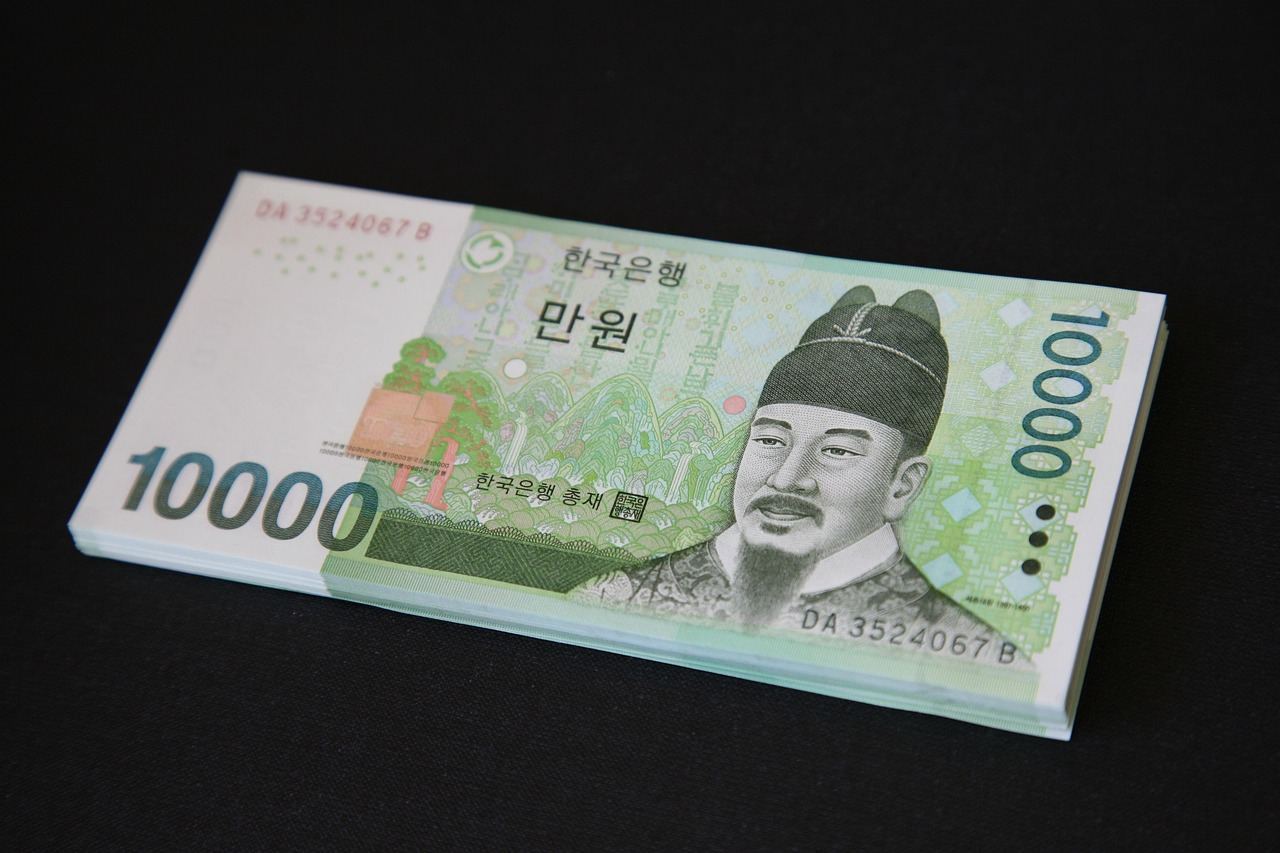
Won Shows Increased Resilience
Bank of Korea (BOK) Governor Shin Hyun-song reported the won has become more resilient to external shocks. He spoke to reporters on Friday after attending the Jackson Hole Economic Policy Symposium. Shin cited the BOK’s recent preemptive rate increase as a factor. The won-dollar exchange rate fell despite a stronger dollar index, demonstrating the currency’s strength.
The won closed at 1,372.5 per dollar on Friday, its strongest level since July 24, 2025. Shin noted the exchange rate now broadly gauges confidence in Korea’s monetary system, especially given past foreign exchange crises.
US Investment Outflows Manageable
Shin attributed the won’s recent strength partly to dollar inflows. These stemmed from SK hynix’s US listing and increased dollar-selling by exporters. He addressed concerns about South Korea’s commitment to invest up to $20 billion annually in the US. Shin stated this amount was manageable.
He added that Korea could invest less, or nothing, depending on prevailing circumstances. Returns on the country's $427 billion in foreign exchange reserves would sufficiently cover any such outflow, he explained.
BOK Maintains Independent Policy Stance
Shin also commented on US Federal Reserve Chair Kevin Warsh’s Jackson Hole address. He said it carried significant implications for the September Federal Open Market Committee meeting. Shin attributed Warsh’s limited public communication to concerns that excessive central bank guidance could distort market price discovery.
Unlike Warsh, who opposes the Fed’s dot plot, Shin expressed no particular skepticism regarding the BOK’s newly introduced “K-dot plot.” The central bank will review this system with Monetary Policy Board members after its first year. Shin stressed the BOK's ability to set policy independently of the Fed. “A US rate increase does not mean we must raise ours,” he confirmed.
The BOK’s independent approach to monetary policy shows a mature framework. This stance potentially reduces volatility for won-denominated assets, offering more predictable conditions for investors. The assessment of manageable US investment outflows suggests limited pressure on the won. This stability supports trade and capital flows with South Korea.
Businesses engaging with the South Korean market can anticipate fewer currency-driven disruptions from these specific capital movements. The BOK's Project Hangang, a digital currency experiment, was also a case study at the symposium, highlighting Korea's financial innovation.
This article is journalism, not investment advice; consult a licensed professional before making financial decisions. Market data is indicative, may be delayed, and should be verified with your broker or exchange before use.
Comments.
Comments are moderated. We remove what is unlawful, abusive or off-topic, and and you remain responsible for what you post.
Reader comments open soon. Until then, corrections and responses go to our newsroom, and we publish what we get wrong on Corrections.