Bank Indonesia Holds Rate, Boosts Hedging After MSCI Market Shift
Jakarta's central bank maintained its benchmark rate at 5.75% and increased incentives for rupiah hedging instruments following market volatility triggered by MSCI's reclassification proposal.
Market Reacts to MSCI Proposal
Bank Indonesia (BI) reassured markets that rupiah exchange rate fluctuations remained manageable following turbulence sparked by MSCI's proposal to reclassify Indonesia's stock market. On October 15, MSCI announced its intention to move the Republic of Indonesia from an emerging market to a standalone market.
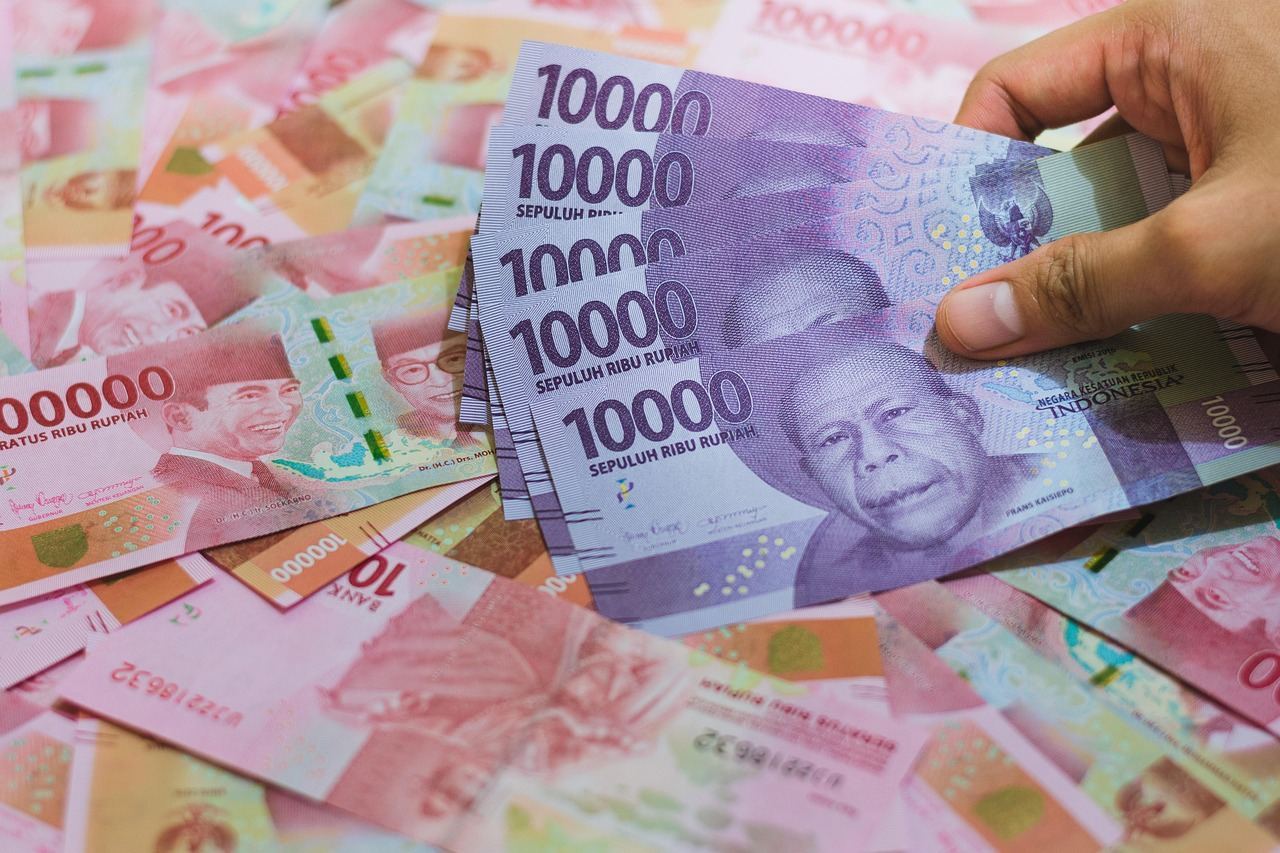
This announcement unsettled domestic financial markets, leading to significant movements on October 16. The Jakarta Composite Index (JCI) dropped by 11.57 percent, while the rupiah weakened to Rp18,052 per US dollar, according to the Jakarta Interbank Spot Dollar Rate (JISDOR).
Erwin Gunawan Hutapea, head of BI's Monetary and Securities Asset Management Department, affirmed on October 23 that the situation remained under control, with exchange rate movements not being excessive.
BI's Policy Response
In response to the market pressure, Bank Indonesia's Board of Governors, meeting on October 20–21, 2026, decided to keep its benchmark BI Rate steady at 5.75 percent. The central bank also maintained its lending facility rate at 6.5 percent. However, it increased the deposit facility rate by 25 basis points, bringing it to 5.0 percent.
These monetary policy adjustments were complemented by enhanced incentives for Domestic Non-Deliverable Forward (DNDF) hedging instruments. The premium reduction for six-month tenors was raised from 25 percent to 40 percent, and for 12-month tenors, it increased from 30 percent to 45 percent.
Bolstering Rupiah Stability and Capital Inflows
Bank Indonesia acknowledged capital outflows from the stock market, government securities (SBN), and Bank Indonesia Rupiah Securities (SRBI) following the MSCI announcement. Despite this, Erwin Gunawan Hutapea stated that the central bank maintained sufficient rupiah liquidity to facilitate financial market transactions.
BI also declared its readiness to intervene if imbalances between foreign exchange supply and demand caused market volatility to exceed acceptable limits. These measures, including the increased hedging incentives, are designed to encourage foreign capital inflows and bolster the stability of the rupiah.
The central bank's actions signal a proactive stance to mitigate external shocks and maintain market confidence. For investors and businesses operating in Indonesia, the unchanged benchmark rate suggests a focus on stability amidst global economic headwinds, as noted by BI Governor Destry Damayanti on October 21.
The enhanced DNDF hedging incentives offer a clearer mechanism to manage currency risk when deploying capital into Indonesian assets, potentially making rupiah-denominated investments more attractive despite reclassification concerns.
Companies involved in trade or with significant rupiah exposure should assess these improved hedging options to protect against currency volatility.
This article is journalism, not investment advice; consult a licensed professional before making financial decisions. Market data is indicative, may be delayed, and should be verified with your broker or exchange before use.
Comments.
Comments are moderated. We remove what is unlawful, abusive or off-topic, and and you remain responsible for what you post.
Reader comments open soon. Until then, corrections and responses go to our newsroom, and we publish what we get wrong on Corrections.