Australian LNG Producers Face Risks as Asian Power Projects Stall
An IEEFA report reveals over US$67.8 billion in planned LNG import and power projects across the Philippines, Vietnam, Thailand, and Bangladesh have stalled or been cancelled since 2021.
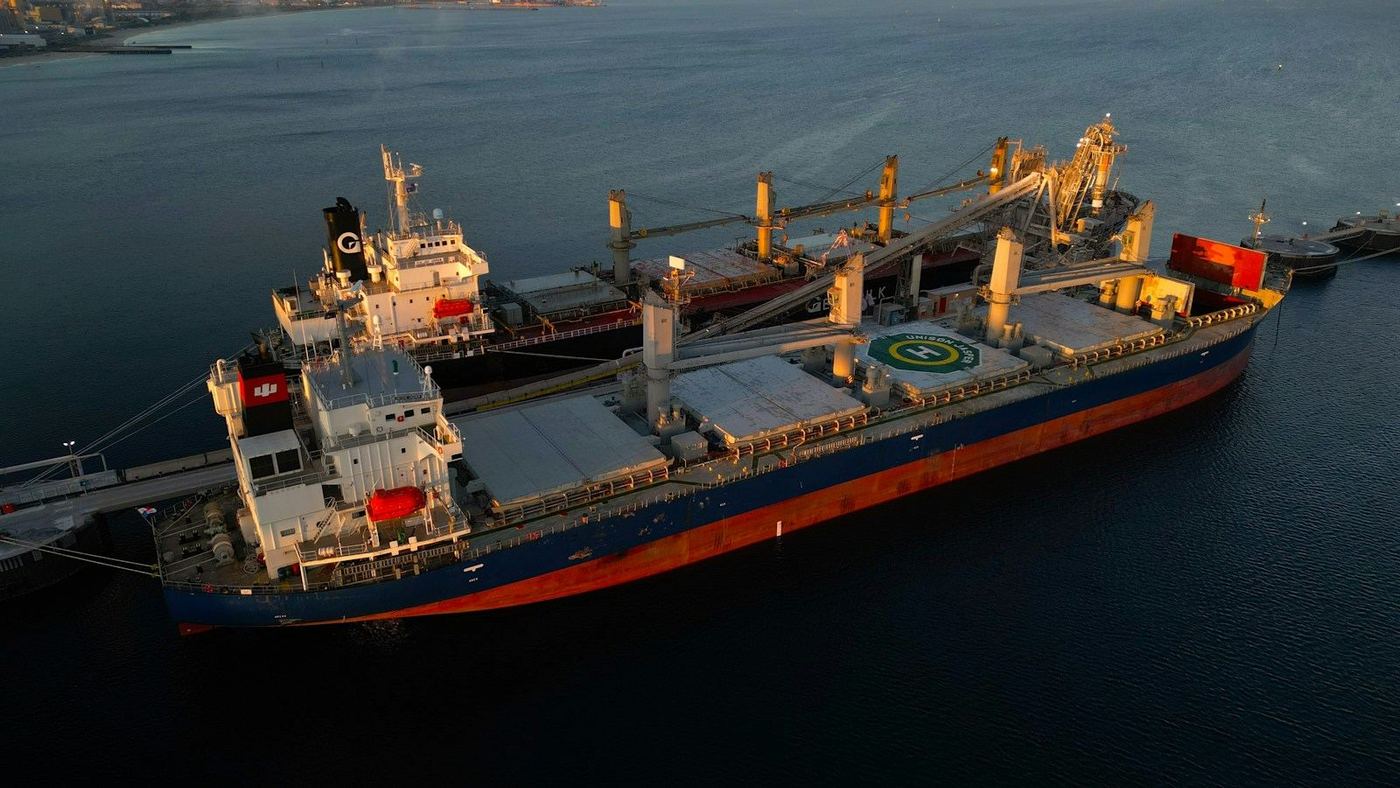
Asia's LNG Project Delays
More than half of proposed liquefied natural gas (LNG) import terminals and power projects in the Philippines, Vietnam, Thailand, and Bangladesh have either been cancelled or shown no significant progress between 2021 and 2026, according to a new report from the Institute for Energy Economics and Financial Analysis (IEEFA).
These 49 power plants and 22 regasification terminals represent an estimated total value of US$67.8 billion. Only 11% of the planned power generation capacity and 15% of import terminal capacity in these four markets became operational during this period, IEEFA stated.
Rising Costs and Market Shifts
The IEEFA report attributes these delays to several factors, including extreme LNG price volatility, increased capital expenditure, and extended lead times for gas turbines. The depreciation of emerging Asian currencies against the US dollar has further eroded the financial viability of LNG-to-power projects.
IEEFA analysts Sam Reynolds and Christopher Doleman noted that these combined factors could raise the levelised cost of electricity from LNG-fired plants by as much as 130% compared to 2021 projections. Global LNG prices reached US$27.5/million Btu in the Asian spot market in September 2026, nearly triple pre-conflict levels.
Australian Export Risks
Slower demand growth in these price-sensitive emerging Asian markets, coupled with rising global LNG supply, will likely reduce spot prices, IEEFA's Lead Analyst for Australian Gas, Joshua Runciman, explained. This trend could cut Australia's export revenue and weaken the business case for new gas projects, which already face high production costs.
LNG exporter Woodside is especially vulnerable, as its costly Browse project may struggle with competitiveness in a low-price environment. Australia also faces broader macroeconomic risks from falling LNG export revenue, potentially impacting tax revenue and terms of trade.
Regional Energy Planning Adjusts
Energy development plans in emerging Asia, which heavily relied on LNG, were based on assumptions of lower fuel prices and affordable capital that are no longer valid. In the Philippines, several LNG projects have been cancelled since 2021 due to challenges in securing viable offtake agreements.
Vietnam has seen only one LNG-fired power project reach commercial operation in the last five years, hampered by issues with bankable power contracts. Thailand, despite more progress on gas-fired projects, still faces substantial underutilisation, as decreasing costs and quicker deployment of renewable technologies lessen the demand for LNG-fired baseload power.
This article is journalism, not investment advice; consult a licensed professional before making financial decisions. Market data is indicative, may be delayed, and should be verified with your broker or exchange before use.
Comments.
Comments are moderated. We remove what is unlawful, abusive or off-topic, and and you remain responsible for what you post.
Reader comments open soon. Until then, corrections and responses go to our newsroom, and we publish what we get wrong on Corrections.