China Targets 100 Zero-Carbon Industrial Parks, Eyes Overseas Expansion
China plans to build 100 national-level zero-carbon industrial parks by 2030, a move critical for its decarbonisation goals. The nation also explores extending this green model to its extensive network of overseas industrial parks, which currently include many carbon-intensive sites across Asia and Africa.
China's Domestic Decarbonisation Drive
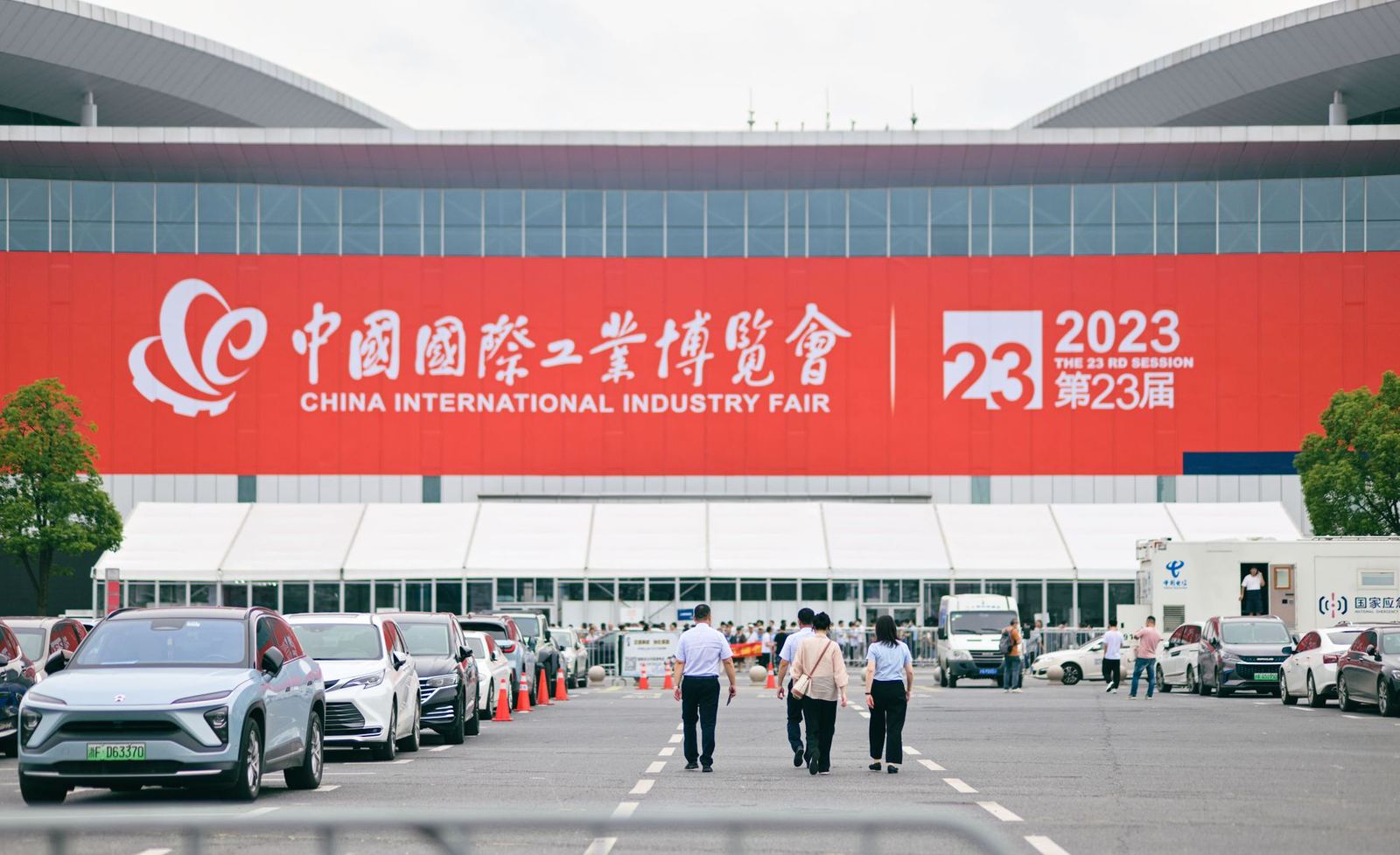
China aims to establish approximately 100 national-level zero-carbon industrial parks by 2030. This target, outlined in its 15th Five Year Plan (March 2026), elevates such zones to a national priority. Industrial parks currently generate nearly one-third of China's total emissions, according to energy non-profit RMI. Decarbonising these areas could significantly accelerate China's net-zero efforts, particularly in hard-to-abate sectors like steel and cement. The concept of low-carbon industrial zones dates back to China's 11th Five Year Plan (2006-2010). By end-2025, the National Development and Reform Commission (NDRC) listed 52 such parks for construction before 2030.
Overseas Footprint and Current Challenges
China's industrial ecosystem links deeply with global supply chains. This raises questions about spreading its zero-carbon industrial park model abroad. The World Resources Institute (WRI) reported 159 Chinese overseas industrial parks globally in 2022, a number that continues to expand. These parks include new developments in Zimbabwe, Kenya, and Indonesia. Nearly half (45%) are in Southeast Asia, with 28% in Africa and 25% in Europe. However, many current overseas parks are carbon-intensive. Indonesia Morowali Industrial Park (IMIP) and Indonesia Weda Bay Industrial Park (IWIP), for instance, rely heavily on coal power. IWIP alone contains 4.5GW of coal capacity, largely Chinese-invested and operated.
Green Potential and Business Implications for Asia
A key challenge for China's domestic zero-carbon parks is the lack of a unified definition or standard. This complicates carbon accounting and certification systems. Despite current reliance on fossil fuels in some overseas parks, significant green potential exists. WRI research shows most existing overseas parks are in areas rich in solar resources. These sites could support nearly 420GW of solar PV capacity and over 116GW of wind power. Realising this potential could avoid 340 million metric tons of carbon dioxide emissions, notes Jing Song of WRI China. For Asian businesses, this demonstrates a growing imperative for cleaner supply chains and energy foundations in industrial development. Future Chinese industrial investments abroad will likely seek greener energy sources to maintain competitiveness and meet decarbonisation targets. This creates opportunities for renewable energy developers and technology providers in host countries.
Get The Brief.
Asia’s economy in five minutes, every weekday morning. Free.
By subscribing you consent to receive this newsletter from Asianomist (Asia Press Centre Pte. Ltd.); unsubscribe at any time.